Battle of Hattin - Saladin's Decisive Victory
The decisive battle of July 4, 1187 CE, where Saladin's forces crushed the Crusader armies near Hattin in Palestine. This pivotal victory led to the recapture of Jerusalem and marked the beginning of the end of Crusader dominance in the Holy Land.
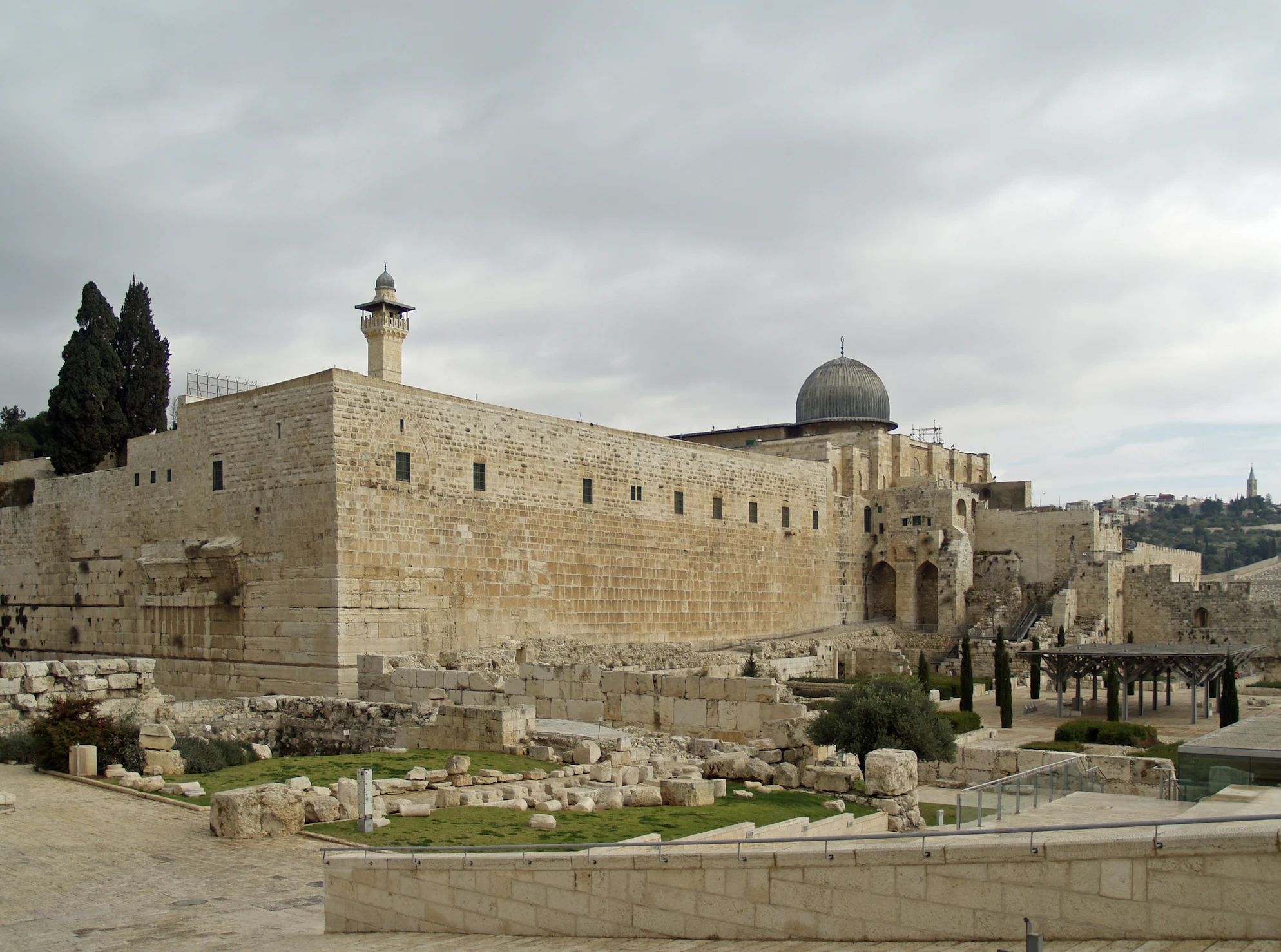
The Battle of Hattin (Arabic: معركة حطين, Ma'rakat Hattin) was one of the most decisive and consequential battles in medieval history. Fought on July 4, 1187 CE (25 Rabi' al-Thani 583 AH), this engagement between the Muslim forces under Saladin (Salah ad-Din Yusuf ibn Ayyub) and the combined Crusader armies near the Horns of Hattin in Palestine resulted in a decisive Muslim victory that altered the balance of power in the Holy Land. The battle's outcome led directly to the recapture of Jerusalem and marked the beginning of the end of Crusader dominance in the Levant.
Historical Context and Background
The Crusader Kingdom of Jerusalem
By the late 12th century, the Crusader Kingdom of Jerusalem faced mounting challenges. Internally it was strained by succession disputes following the death of Baldwin IV, the Leper King, by the rivalry between Guy de Lusignan and Raymond III of Tripoli, by tensions between the military orders of the Templars and Hospitallers, and by conflicts between native-born Crusaders, known as Poulains, and newcomers from the West.
External pressures were equally severe. Saladin had unified Egypt and Syria under Ayyubid rule, Muslim military capabilities and coordination were increasing, support from Western Europe was declining, and the kingdom was under economic strain from constant warfare.
Saladin's Rise to Power
Saladin had brought the Muslim territories surrounding the Crusader states under a single authority. He had taken control of Egypt in 1171 CE after the fall of the Fatimid Caliphate, conquered Damascus in 1174 CE and united it with Syria, brought Aleppo and northern Syria under his rule in 1183 CE, and in doing so created a unified Muslim front facing the Crusaders.
He also framed the struggle in religious terms. Saladin proclaimed a holy war to reclaim Jerusalem and the Holy Land, portrayed the campaign as a religious duty, united diverse Muslim populations under the banner of jihad, presented himself as the defender of Islam, and drew volunteers from across the Muslim world.
The Immediate Causes
The immediate trigger of the conflict lay in the aggressive actions of Reynald of Châtillon. He attacked Muslim pilgrimage caravans travelling to Mecca, raided Muslim territories in defiance of existing truces, threatened to attack Mecca and Medina directly, and refused to make reparations or honour agreements.
The final provocation came in 1186, when Reynald attacked a large caravan travelling from Cairo to Damascus. He captured valuable goods and numerous prisoners, said by some sources to have included Saladin's sister, refused King Guy's order to release the prisoners and goods, and declared that he would continue his raids regardless of the truces.
Prelude to Battle
Saladin's Strategic Planning
In 1187 Saladin launched a major invasion of the Crusader Kingdom. He assembled the largest Muslim army seen in the region, coordinating forces from Egypt, Syria, and Mesopotamia into a body estimated at some 30,000 troops of cavalry, infantry, and archers, and established supply lines and logistical support to sustain it. His objectives were to force a decisive battle with the main Crusader army, to recapture key fortresses and cities, ultimately to retake Jerusalem, and to eliminate Crusader military power in the region.
The Crusader Response
King Guy de Lusignan mustered his forces at Saffuriya, assembling the largest Crusader army ever fielded, numbering approximately 20,000 troops of knights, sergeants, and infantry. It included the military orders of the Templars and Hospitallers, contingents from all the major Crusader territories, and the True Cross, carried as a sacred relic and battle standard.
The Crusader leadership was divided over strategy. Raymond III of Tripoli advocated a defensive posture at Saffuriya, while Gerard de Ridefort, the Templar Master, pushed for aggressive action; King Guy ultimately decided to march to relieve Tiberias.
The March to Disaster
Guy resolved to march against the advice of his more experienced commanders. Saladin had besieged Tiberias, held by Raymond's wife Eschiva, and the siege was designed to force the Crusaders to advance, allowing Saladin to choose the battlefield and the timing; the Crusaders moved into this strategic situation. Beginning the march from Saffuriya on July 3, 1187, the army crossed waterless terrain in extreme summer heat, harassed constantly by Muslim light cavalry and archers, and made slow progress as it suffered from dehydration and exhaustion under continuous attack.
The Battle of Hattin
The Battlefield
The battle was fought near the Horns of Hattin, a distinctive double-peaked hill. Its elevated position offered tactical advantages, the limited water sources in the area were controlled by the Muslim forces, the open ground favoured cavalry charges, and the location commanded regional communications. Saladin controlled the water sources at the Sea of Galilee, positioned his forces to surround the Crusader army, used the terrain to maximise his tactical advantages, and prepared for a battle of annihilation.
The Night Before Battle
By the evening of July 3, the Crusader situation was desperate. The army had no access to water for men or horses, was exhausted from the day's march and constant harassment, was demoralised by its tactical position, and was surrounded by Muslim forces. The Muslim army, meanwhile, set fires in the dry grass to create smoke and confusion, positioned archers to rain arrows on the Crusader camp, prevented any rest or recovery for the enemy, and prepared for the final assault at dawn.
The Battle Unfolds
Saladin launched his assault at first light on July 4, 1187. It opened with an arrow storm, in which massive volleys from the Muslim archers inflicted heavy casualties on the Crusader infantry, killed or wounded horses and so reduced the effectiveness of the cavalry, and wore down the enemy through the psychological impact of constant bombardment.
There followed the collapse of the infantry. The Crusader foot soldiers, desperate for water, broke ranks and attempted to reach the Sea of Galilee, where they were cut down by Muslim cavalry and infantry, leaving the knights isolated and vulnerable.
The Crusader knights then attempted several cavalry charges. These were initially successful in breaking the Muslim lines, but they lacked the support of the collapsed infantry and were gradually worn down by superior numbers.
In the final phase, the Muslim forces completed the encirclement. Crusader resistance collapsed in sections, King Guy's tent was captured in a moment that symbolised the defeat, and the surviving Crusaders surrendered in large numbers.
The Decisive Moments
Two moments were decisive. The first was the capture of the True Cross, the most sacred relic in Christendom, which had been carried into battle by the Bishop of Acre and was taken when the bishop was killed; its loss was a severe blow to Crusader morale and was regarded in Christian eyes as a sign of divine abandonment. The second was the capture of King Guy, taken prisoner along with most of the nobility, which demonstrated the completeness of the victory, dismantled the Crusader leadership structure, and opened the way for territorial conquest.
The Aftermath and Consequences
Immediate Results
The battle effectively eliminated Crusader military capability. Casualties were heavy, estimated at 15,000 to 17,000, most of the nobility were captured or killed, the military orders were devastated, and only a few hundred escaped the battlefield. Strategically, no significant Crusader army remained in the field, fortresses and cities were left defenceless, supply lines and communications were severed, and morale throughout the Crusader states collapsed.
Saladin's Conduct and Justice
Saladin's conduct after the battle was recorded by contemporary sources as reflecting Islamic principles of war. He provided King Guy with iced water and refreshments, treated the noble prisoners with honour and respect, observed the Islamic laws of war regarding captives, and showed clemency toward the defeated leadership.
His treatment of individual captives varied according to their conduct and status. He personally executed Reynald of Châtillon in fulfilment of his oath to kill the violator of the truces, while sparing King Guy with the words "Kings do not kill kings." He ordered the execution of the captured Templars and Hospitallers, whom he regarded as the most committed of his military opponents, making exceptions for some who converted to Islam, and thereby removed the core of the Crusaders' military expertise.
The Recapture of Jerusalem
The victory opened the path to the Holy City. Acre fell within days of the battle; Jaffa, Beirut, and other coastal cities surrendered; most inland fortresses were abandoned or surrendered; and only Tyre held out, under Conrad of Montferrat.
The siege of Jerusalem in September 1187 lasted only about two weeks and ended in a negotiated surrender that prevented bloodshed, under which the Christian inhabitants were allowed to leave safely. Contemporary and later writers contrasted this transition with the Crusader conquest of the city in 1099. Islamic rule was then restored: the Al-Aqsa Mosque was purified and restored for Islamic worship, the Dome of the Rock was cleansed of Christian alterations, Jewish communities were permitted to return to the city, and religious tolerance was established under Islamic rule.
Military and Strategic Analysis
Saladin's Strategy
Saladin's pre-battle strategy shaped the outcome. He successfully drew the Crusaders onto unfavourable terrain, controlled the timing and location of the battle, maximised the environmental advantages of heat and the scarcity of water, and coordinated multiple army corps effectively. His tactics on the day were correspondingly effective: he used combined-arms tactics, employed psychological pressure through fires and arrow storms, maintained discipline and coordination throughout, and adapted his tactics to exploit the enemy's weaknesses.
Crusader Strategic Failures
The Crusader command made a series of errors. It ignored experienced military advice, moved into an evident strategic trap, failed to maintain the army's cohesion during the march, and lost tactical flexibility through poor positioning. Its logistics were equally deficient, with inadequate water supplies for the march, poor route planning through hostile territory, a failure to secure supply lines, and an underestimation of the enemy's capabilities and intentions.
Historical Significance
The Turning Point of the Crusades
Hattin marked the beginning of the end for the Crusader states. It eliminated the military basis of Crusader power, led to the loss of most Crusader territories, prompted the Third Crusade in response, and shifted the balance of power in the region toward the Muslim states. The victory also demonstrated the potential of unified Muslim action: it showed that Crusader military superiority was not inevitable, encouraged Muslim resistance throughout the region, established Saladin's standing as a leading figure in the Muslim world, and created momentum for further Muslim advances.
Cultural and Religious Impact
The defeat shocked the Christian world. It triggered immediate calls for a new Crusade, led to the Third Crusade of 1189–1192, caused a crisis of faith in some Christian communities, and prompted military and organisational reforms. In the Muslim world the victory was widely celebrated. It was regarded as a vindication of the Islamic cause, raised Saladin to legendary status, inspired poetry, literature, and historical accounts, and strengthened a sense of Islamic identity and unity.
Legacy and Lessons
Military Lessons
The campaign has been studied for its lessons in strategic planning: the importance of choosing favourable terrain and timing, the value of unified command and clear objectives, the need for adequate logistics and supply planning, and the effectiveness of psychological warfare. It has also been examined for its tactical innovation, including combined-arms coordination, the use of environmental factors as weapons, the maintenance of troop morale and discipline, and adaptation to the enemy's strengths and weaknesses.
Leadership Principles
Saladin's conduct has often been cited as an example of leadership that combined military skill with moral authority, treated enemies with a measure of honour and justice, used victory to achieve larger strategic goals, and balanced firmness with mercy. The Crusader leadership, by contrast, illustrated the dangers of divided command and conflicting strategies, the importance of listening to experienced advisors, the need for a realistic assessment of enemy capabilities, and the consequences of strategic overconfidence.
The Third Crusade Response
European Reaction to the Disaster
News of the defeat at Hattin and the fall of Jerusalem sent shockwaves throughout Christian Europe. The papal response was immediate: Pope Urban III is reported to have died of shock on hearing the news, his successor Gregory VIII issued a papal bull calling for a new Crusade, the loss of the True Cross was interpreted as a divine punishment for Christian sins, and there were calls for repentance and renewed commitment to the Holy Land.
The disaster also prompted a broad royal mobilisation. King Richard I of England, known as Richard the Lionheart, King Philip II of France, and Emperor Frederick I Barbarossa of the Holy Roman Empire all took the cross, marking the first time that three major European monarchs personally led a Crusade.
The Military Reforms
The defeat at Hattin prompted significant military reforms among the Crusaders. On the tactical level, these included a greater emphasis on water supply and logistics, improved coordination between infantry and cavalry, better intelligence gathering and reconnaissance, and a more cautious approach to engaging Muslim forces in unfavourable terrain. On the strategic level, they included a focus on securing coastal cities for supply and reinforcement, the building of stronger fortifications that contributed to innovations in castle design, the development of naval superiority to maintain communications with Europe, and the creation of more sustainable military structures less dependent on temporary Crusaders.
The Ayyubid Dynasty After Hattin
Consolidation of Power
Following the victory, Saladin worked to consolidate Ayyubid control. His territorial expansion brought most of the Crusader territories in the Levant under his rule, unified Egypt, Syria, and parts of Mesopotamia, installed family members as governors of key regions, and created a network of alliances with neighbouring Muslim rulers. His administrative reforms reorganised the iqta system of land grants for military service, strengthened the judicial system based on Islamic law, promoted Sunni Islam while curtailing Shi'a influence, and supported religious institutions and scholars.
Economic and Cultural Flourishing
The victory and the territorial gains that followed brought economic benefits. Trade revived as routes disrupted by the Crusader presence were restored, commerce between Egypt and Syria increased, ports and commercial infrastructure were developed, and urban centres grew under Ayyubid rule. A cultural revival accompanied this prosperity, marked by the patronage of scholars, poets, and artists, the construction of mosques, madrasas, and hospitals, the translation and preservation of classical texts, and the development of Islamic architecture and decorative arts.
The Battle in Islamic Tradition
Saladin as the Ideal Muslim Leader
In later Islamic tradition Hattin established Saladin as an exemplar of leadership. His military reputation rested on courage and tactical skill in battle, strategic patience and careful planning, an ability to inspire and unite diverse Muslim forces, and a combination of firmness in war with mercy in victory. His reputation for religious devotion rested on his commitment to jihad as a religious duty, his personal piety and adherence to Islamic principles, his reputation for justice in governance and in the treatment of subjects, and his generosity and concern for the welfare of Muslims. His moral authority was associated with the treatment of enemies with honour and dignity, the fulfilment of promises and treaties, the protection of non-combatants and religious minorities, and a balance between political pragmatism and religious ideals.
Literary and Artistic Representations
The battle inspired numerous literary works. Historical chronicles included the detailed accounts of Baha ad-Din ibn Shaddad, Saladin's secretary, the poetic descriptions of Imad ad-Din al-Isfahani, the comprehensive analysis of Ibn al-Athir, and several biographical works recording Saladin's achievements. In poetry and prose it prompted victory odes marking the triumph, elegies for those who fell in battle, descriptions of the taking of Jerusalem, and moral lessons drawn from the campaign.
Comparative Military Analysis
Hattin vs. Other Medieval Battles
The Battle of Hattin is notable among medieval engagements for several reasons. Its strategic deception was pronounced, in Saladin's baiting of the Crusader army, his use of siege warfare to force the enemy to move, his control of water sources as a weapon, and his psychological pressure through the manipulation of the environment. Its tactical innovation lay in the coordination of multiple army corps over extended operations, the effective use of light cavalry for harassment, the integration of archery with cavalry charges, and the exploitation of terrain and environmental conditions. Its results were decisive: the complete destruction of the enemy field army, the capture of the enemy leadership and sacred relics, the immediate strategic exploitation of the victory, and long-term political and territorial consequences.
The Crusader Recovery Attempts
The Siege of Acre (1189-1191)
The Third Crusade's focus on Acre represented a strategic shift. The Crusader approach now concentrated on coastal cities rather than Jerusalem, used naval power to maintain supply lines, favoured a gradual reconquest over a direct assault on Jerusalem, and sought to build a sustainable military presence in the region. Saladin's defence of Acre included repeated attempts at relief, the harassment of the Crusader siege lines, and diplomatic efforts to divide the Crusader leadership, but he was ultimately unable to prevent the fall of Acre in 1191.
The Stalemate
Despite the efforts of the Third Crusade, the strategic situation remained favourable to the Muslim states. The Crusaders regained the coastal strip from Tyre to Jaffa, but Jerusalem remained under Muslim control, the interior territories stayed firmly in Ayyubid hands, and the reduced Crusader states remained dependent on European support. The Treaty of Jaffa of 1192 formalised this position: it established a three-year truce between Richard and Saladin, granted Christian pilgrims access to Jerusalem, left the Crusaders in possession of the coastal territories, and recognised the new balance of power.
Women in the Battle and Its Aftermath
Eschiva of Bures
Eschiva, wife of Raymond III of Tripoli, played an important part in the campaign through the siege of Tiberias. She commanded the defence of the Tiberias citadel and held out against Saladin's siege, and her situation was used to draw the Crusader army into the field; she eventually surrendered with honour after the battle. Her role illustrates the part women could play in Crusader military affairs, her defence influenced the strategic decisions of the campaign, she was treated with respect by Saladin after her surrender, and she was reunited with her husband after the battle.
Women in the Crusader Army
Women accompanied the Crusader army to Hattin. They provided logistical support and medical care, carried water and supplies during the march, and suffered alongside the army during the battle; many were captured and enslaved after the defeat.
Muslim Women's Contributions
Women in the Muslim world also contributed to the war effort, largely through economic support. This included donations of jewellery and wealth toward military expenses, the provision of supplies for the army, support for the families of soldiers, and prayers and moral support for the cause.
Archaeological Evidence
The Battlefield Today
Archaeological work at the Horns of Hattin has added to the understanding of the battle. Physical evidence has included fragments of weapons and armour, coins and artefacts from the period, analysis of the terrain and water sources, and confirmation of the historical accounts. The site is protected as a historical landmark, supported by educational programmes about the battle, tourism infrastructure for visitors, and ongoing research and excavation projects.
Material Culture
Objects from the battle period illuminate the conflict. The surviving military equipment includes Crusader swords and armour and Muslim weapons and horse equipment, allowing comparison of military technology and offering evidence of the tactical approaches of both sides. The True Cross itself disappeared after the battle; various claims have been made about its fate, and its symbolic importance far exceeded its physical value, representing the spiritual dimension of the conflict.
Interfaith Relations After Hattin
Saladin's Policy of Tolerance
Saladin's governance of the reconquered territories is recorded as reflecting Islamic principles of religious tolerance. Christians were allowed to practise their faith, Jewish communities were welcomed back to Jerusalem, religious sites and pilgrims were protected, and taxation and legal treatment were administered on established terms. Contemporary and later accounts contrasted this governance with the Crusader conquest of 1099, noting its emphasis on justice and clemency, its recognition of a shared Abrahamic heritage, and the practical benefits of religious tolerance.
Long-term Coexistence
Hattin and its aftermath established patterns that persisted in the region. Diplomatic engagement continued through treaties and truces between Muslim and Christian rulers, through trade and cultural exchange that persisted despite military conflict, through the recognition of mutual interests, and through periods of peace interspersed with warfare. Cultural influence flowed in both directions, seen in European admiration for Saladin's chivalry, in Islamic respect for Crusader military prowess, in the exchange of ideas and technologies, and in the mutual influence on military tactics and strategy.
Conclusion
The Battle of Hattin stands as one of the most decisive engagements in medieval history, fundamentally altering the balance of power in the Holy Land and marking the beginning of the end of the Crusader states. Saladin's strategic genius, combined with Crusader strategic failures, created the conditions for a victory that resonated far beyond the battlefield itself.
The battle demonstrated the potential of unified Muslim action under capable leadership and showed that the Crusader military advantage was not insurmountable. Saladin's conduct before, during, and after the battle established him as not only a great military commander but also as a model of Islamic leadership, combining martial prowess with moral authority and religious devotion.
The immediate consequences of the battle - the recapture of Jerusalem and the collapse of Crusader military power - were matched by its long-term significance in inspiring Islamic resistance and unity. The victory at Hattin became a symbol of what could be achieved when the Muslim world united under principled leadership against foreign occupation.
The battle's legacy extended beyond the immediate military and political consequences to influence interfaith relations, military science, and historical memory. Saladin's treatment of defeated enemies and religious minorities established a standard of conduct that contrasted favorably with the brutality often characteristic of medieval warfare. His example demonstrated that military success could be combined with moral authority and religious tolerance.
For students of military history, the battle provides valuable lessons about strategy, tactics, and leadership that remain relevant today. The importance of logistics, intelligence, terrain analysis, and psychological warfare are all illustrated in Saladin's masterful campaign. The Crusader failures at Hattin - divided leadership, poor strategic decisions, and inadequate preparation - serve as cautionary examples of how not to conduct military operations.
For students of Islamic history, Hattin represents a pivotal moment when Islamic civilization demonstrated its resilience and capacity for renewal. The victory showed that the Muslim world, when united under principled leadership, could overcome seemingly insurmountable challenges. The battle became a source of inspiration for subsequent generations, a reminder of what could be achieved through faith, unity, and capable leadership.
The legacy of Hattin continues to resonate in the modern world, informing discussions about conflict, leadership, and the relationship between military success and moral authority in the Islamic tradition. The battle remains a powerful symbol of Islamic resistance to foreign occupation and a testament to the enduring appeal of Saladin's example as a leader who combined military prowess with justice, mercy, and religious devotion.
References and Further Reading
Primary Islamic Sources
- Quran, Surah Al-Baqarah (2:190–191) — "Fight in the way of Allah those who fight you but do not transgress limits" — Saladin invoked the language of defensive jihad in justifying his campaign
- Quran, Surah Al-Isra (17:1) — "Exalted is He who took His Servant by night from al-Masjid al-Haram to al-Masjid al-Aqsa" — establishes Jerusalem's sanctity as al-Aqsa in Islamic teaching
- Quran, Surah Al-Baqarah (2:149) — on the direction of prayer toward al-Masjid al-Haram, establishing the centrality of the holy places
- Ibn al-Athir, Al-Kamil fi al-Tarikh — primary Arabic source for the Battle of Hattin, written by a near-contemporary
- Baha al-Din ibn Shaddad, Al-Nawadir al-Sultaniyya — biography of Saladin by his personal secretary, eyewitness account
- Imad al-Din al-Isfahani, Al-Barq al-Shami — Saladin's court historian, detailed account of the Hattin campaign
Classical Islamic Sources
- Ibn al-Athir, Ali ibn Muhammad. Al-Kamil fi al-Tarikh. Edited by C.J. Tornberg. Leiden: Brill, 1851–1876. [Compiled c. 1231 CE] — fullest Arabic account of Hattin and its aftermath
- Baha al-Din ibn Shaddad, Yusuf ibn Rafi'. Al-Nawadir al-Sultaniyya wa al-Mahasin al-Yusufiyya. Translated by D.S. Richards as The Rare and Excellent History of Saladin. Aldershot: Ashgate, 2001. [Compiled c. 1228 CE]
- Imad al-Din al-Isfahani. Al-Barq al-Shami. Edited by Falih Husayn. Amman: University of Jordan, 1987. [Compiled c. 1216 CE]
- Al-Maqrizi, Taqi al-Din Ahmad. Kitab al-Suluk li-Ma'rifat Duwal al-Muluk. Cairo: Dar al-Kutub al-Misriyyah, 1934–1942. [Compiled c. 1442 CE]
- Abu Shama, Shihab al-Din. Kitab al-Rawdatayn fi Akhbar al-Dawlatayn. Cairo: Dar al-Kutub al-Misriyyah, 1956–1962. [Compiled c. 1266 CE]
Academic and Scholarly Sources
- Hillenbrand, Carole. The Crusades: Islamic Perspectives. Edinburgh: Edinburgh University Press, 1999.
- Ehrenkreutz, Andrew S. Saladin. Albany: State University of New York Press, 1972.
- Runciman, Steven. A History of the Crusades. Vol. 2: The Kingdom of Jerusalem and the Frankish East. Cambridge: Cambridge University Press, 1952.
- Lyons, Malcolm Cameron, and D.E.P. Jackson. Saladin: The Politics of the Holy War. Cambridge: Cambridge University Press, 1982.
- Prawer, Joshua. The Crusaders' Kingdom: European Colonialism in the Middle Ages. New York: Praeger, 1972.
- Kedar, Benjamin Z., ed. The Horns of Hattin. Jerusalem: Yad Izhak Ben-Zvi, 1992.
Further Reading
- Nicolle, David. Hattin 1187: Saladin's Greatest Victory. Oxford: Osprey Publishing, 1993.
- Hamilton, Bernard. The Leper King and His Heirs: Baldwin IV and the Crusader Kingdom of Jerusalem. Cambridge: Cambridge University Press, 2000.
- Asbridge, Thomas. The Crusades: The War for the Holy Land. London: Simon and Schuster, 2010.
- Tyerman, Christopher. God's War: A New History of the Crusades. Cambridge: Harvard University Press, 2006.
- Phillips, Jonathan. Holy Warriors: A Modern History of the Crusades. London: Bodley Head, 2009.
Mentioned In
6 articles reference this topic
More from Medieval Islamic World
Ayyubid Dynasty - Saladin's Legacy and the Unification of the Muslim East
The Ayyubid Dynasty (1171-1260 CE) was founded by Saladin and ruled Egypt, Syria, and Yemen. The Ayyubids recaptured Jerusalem from the Crusaders, promoted Sunni Islam, and created a sophisticated state combining military power with cultural patronage.
Baybars - The Lion of Egypt and Scourge of the Crusaders
Baybars I (c. 1223-1277 CE) was the fourth Mamluk sultan of Egypt and Syria, one of Islamic history's most formidable military commanders. Rising from slavery to become sultan, he defeated the Mongols, expelled the Crusaders from the Levant, and established the Mamluk Sultanate as a major power.
Fatimid Caliphate (909-1171 CE)
A major Shia Islamic caliphate (909-1171 CE) that ruled North Africa, Egypt, and parts of the Middle East. Founded by the Ismaili Shia dynasty claiming descent from Fatimah, the Fatimids established a powerful empire centered in Cairo rivaling the Abbasid and Umayyad caliphates.
Mamluk Sultanate - The Slave Soldiers Who Became Kings
The Mamluk Sultanate (1250-1517 CE) was a powerful military state that ruled Egypt and Syria for nearly three centuries. Founded by former slave soldiers, the Mamluks defeated the Mongols at Ain Jalut, expelled the Crusaders, and presided over a cultural renaissance.