Prophet Nuh عَلَيْهِ ٱلسَّلَامُ (Noah)
Known as Nuh in Arabic, Noah was one of the earliest prophets sent by Allah to guide humanity to monotheism. He preached for 950 years, and when his people persisted in disbelief, Allah commanded him to build an ark and saved the believers from the great flood.
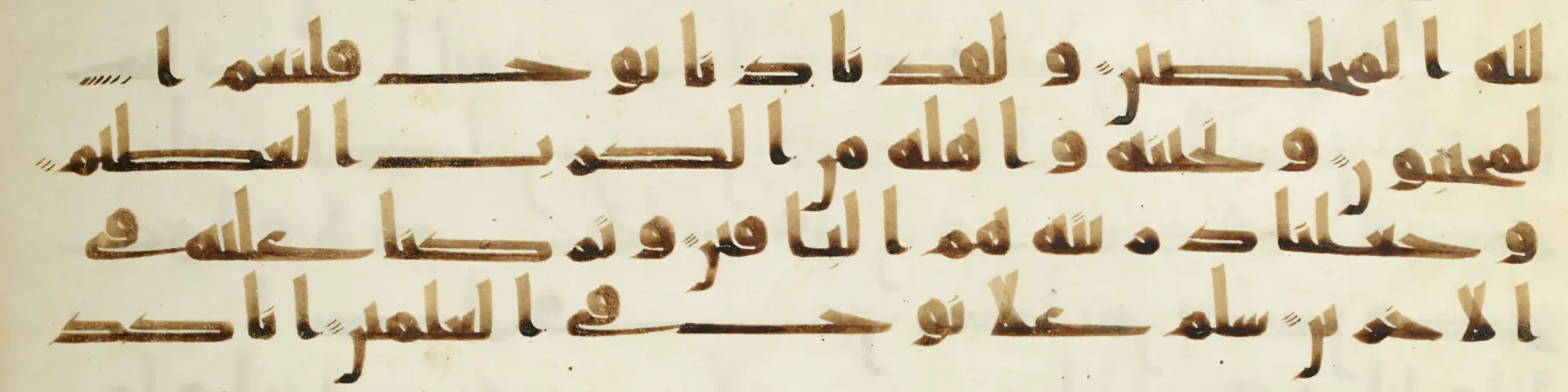
Prophet Noah (Arabic: نوح, Nuh) stands as one of the most significant figures in Islamic history, representing patience, perseverance, and unwavering faith in the face of overwhelming opposition. Known as one of the "Ulul Azm" (Messengers of Strong Will), Noah was sent by Allah to guide his people back to the pure worship of the One True God after they had fallen into idolatry and corruption. His story, spanning nearly a millennium of preaching, culminates in the great flood that destroyed the disbelievers while saving the faithful.
Historical Context and Background
The State of Humanity
Noah lived during a time when humanity had strayed far from the monotheistic teachings of their ancestors. After the death of Adam and the early generations who maintained pure worship, people gradually began to venerate righteous individuals, eventually turning them into objects of worship.
The Origin of Idolatry: According to Islamic tradition, the first idols were created to commemorate five righteous men from the time of Adam: Wadd, Suwa, Yaghuth, Ya'uq, and Nasr. Initially, people built statues to remember these pious individuals, but over generations, they began worshipping the statues themselves.
"And they said, 'Never leave your gods and never leave Wadd or Suwa or Yaghuth and Ya'uq and Nasr.'" (Quran 71:23)
Noah's Lineage and Early Life
Noah was descended from Seth (Shith), the son of Adam, through a line of righteous ancestors who maintained the worship of Allah. He was born into a society that had become deeply entrenched in polytheism, superstition, and moral corruption.
Divine Selection: Allah chose Noah from among his people due to his righteousness, wisdom, and strength of character. Even before his prophetic mission began, Noah was known for his integrity and devotion to Allah.
The Call to Prophethood
Divine Commission
Noah received his prophetic mission when his people had reached the depths of spiritual and moral degradation. Allah commanded him to call his people back to the worship of the One True God and to warn them of the consequences of their persistent disbelief.
Noah's message was simple yet profound. He called his people to worship Allah alone without partners, to abandon idol worship and superstitious practices, to establish justice and moral conduct in society, and to prepare for accountability on the Day of Judgment.
"Indeed, We sent Noah to his people, [saying], 'Warn your people before there comes to them a painful punishment.'" (Quran 71:1)
The Content of Noah's Preaching
Monotheism (Tawheed): The core of Noah's message was the absolute oneness of Allah:
"He said, 'O my people, worship Allah; you have no deity other than Him. Indeed, I fear for you the punishment of a tremendous Day.'" (Quran 7:59)
Divine Mercy and Forgiveness: Noah emphasized Allah's readiness to forgive those who repent:
"And said, 'Ask forgiveness of your Lord. Indeed, He is ever a Perpetual Forgiver. He will send [rain from] the sky upon you in [continuing] showers and give you increase in wealth and children and provide for you gardens and provide for you rivers.'" (Quran 71:10-12)
Warning of Punishment: He warned of divine punishment for persistent disbelief:
"But if you turn away, then I have conveyed that with which I was sent to you. My Lord will give succession to a people other than you, and you will not harm Him at all. Indeed my Lord is, over all things, Guardian." (Quran 11:57)
The Long Struggle: 950 Years of Preaching
Duration of the Mission
The Quran explicitly states that Noah preached to his people for 950 years:
"And We certainly sent Noah to his people, and he remained among them a thousand years minus fifty years, and the flood seized them while they were wrongdoers." (Quran 29:14)
This extraordinary length of time reflects Allah's infinite patience and mercy, Noah's incredible perseverance and dedication, the stubbornness and arrogance of the disbelievers, and the gradual nature of divine punishment.
Methods of Preaching
Noah called his people openly and publicly, addressing large gatherings and speaking in their assemblies, while also approaching individuals privately in the hope of reaching their hearts through personal conversation. His efforts continued day and night: "He said, 'My Lord, indeed I invited my people [to truth] night and day.'" (Quran 71:5) In reaching them he employed a range of approaches, offering logical arguments about Allah's oneness, reminders of Allah's blessings and provisions, warnings about the consequences of disbelief, and appeals to their natural inclination (fitrah).
The People's Response
Despite Noah's tireless efforts, the majority of his people remained obstinate in their disbelief: "But my invitation increased them not except in flight." (Quran 71:6) They mocked Noah and dismissed his message: "The eminent among his people said, 'Indeed, we see you in clear error.'" (Quran 7:60) They accused him of being a mere human like themselves, of seeking worldly gain through his preaching, of being followed only by the lowly and poor, and of bringing fabricated messages. The opposition was led by the wealthy and powerful:
"So the eminent among those who disbelieved from his people said, 'We do not see you but as a man like ourselves, and we do not see you followed except by those who are the lowest of us at first thought. And we do not see in you over us any merit; rather, we think you are liars.'" (Quran 11:27)
Noah's Prayers and Supplications
Prayer for Guidance
Throughout his mission, Noah constantly prayed for his people's guidance:
"He said, 'My Lord, indeed I invited my people [to truth] night and day. But my invitation increased them not except in flight. And indeed, every time I invited them that You may forgive them, they put their fingers in their ears, covered themselves with their garments, persisted, and were arrogant with [great] arrogance.'" (Quran 71:5-7)
Prayer for Patience
Noah sought Allah's help in maintaining patience and perseverance:
"And recite to them the news of Noah, when he said to his people, 'O my people, if my residence and my reminding of the signs of Allah has become burdensome upon you - then I have trusted in Allah.'" (Quran 10:71)
Final Prayer for Justice
After centuries of rejection, Noah finally prayed for divine justice:
"And Noah said, 'My Lord, do not leave upon the earth from among the disbelievers an inhabitant. Indeed, if You leave them, they will mislead Your servants and not beget except [every] wicked one and [confirmed] disbeliever.'" (Quran 71:26-27)
The Divine Command: Building the Ark
The Revelation
After 950 years of preaching with minimal success, Allah revealed to Noah that no more people would believe and commanded him to build an ark:
"And it was revealed to Noah that, 'No one will believe from your people except those who have already believed, so do not be distressed by what they have been doing. And construct the ship under Our observation and Our inspiration and do not address Me concerning those who have wronged; indeed, they are [to be] drowned.'" (Quran 11:36-37)
The Construction
The ark was built according to Allah's specific instructions, with its dimensions and design revealed by Allah and its materials and construction methods divinely guided. It was built in a location far from water, which drew still more mockery. As Noah built the ark, his people ridiculed him even more:
"And he constructed the ship, and every time an assembly of the eminent of his people passed by him, they ridiculed him. He said, 'If you ridicule us, then we will ridicule you just as you ridicule. And you are going to know who will get a punishment that will disgrace him [on earth] and upon whom will descend an enduring punishment [in the Hereafter].'" (Quran 11:38-39)
Gathering the Believers and Animals
The Faithful Few: Only a small number of people believed in Noah's message and were saved:
"And it was said, 'O Noah, disembark with peace from Us and blessings upon you and upon nations [descending] from those with you.'" (Quran 11:48)
Pairs of Animals: Allah commanded Noah to take pairs of every species:
"So it was], until when Our command came and the oven overflowed, We said, 'Load upon the ship of each [creature] two mates and your family, except those about whom the word has preceded, and [include] whoever has believed.' But none had believed with him, except a few." (Quran 11:40)
The Great Flood
The Beginning of Punishment
The flood began as a sign from Allah:
"So We opened the gates of heaven with rain pouring down. And caused the earth to burst with springs, and the waters met for a matter already predestined." (Quran 54:11-12)
The waters came from two sources: rain poured from the sky and springs burst forth from the earth, and the two met according to divine decree.
The Tragedy of Noah's Son
One of the most poignant aspects of the flood narrative is the fate of Noah's son who refused to board the ark:
The Final Appeal: "And it sailed with them through waves like mountains. And Noah called to his son who was apart [from them], 'O my son, come aboard with us and be not with the disbelievers.' [But] he said, 'I will take refuge on a mountain to protect me from the water.' [Noah] said, 'There is no protector today from the decree of Allah, except for whom He gives mercy.' And the waves came between them, and he was among the drowned." (Quran 11:42-43)
Divine Wisdom: When Noah prayed for his son, Allah taught him about divine justice:
"And Noah called to his Lord and said, 'My Lord, indeed my son is of my family; and indeed, Your promise is true; and You are the most just of judges!' He said, 'O Noah, indeed he is not of your family; indeed, he is [one whose] work was other than righteous, so ask Me not for that about which you have no knowledge. Indeed, I advise you, lest you be among the ignorant.'" (Quran 11:45-46)
Universal Destruction
The flood covered the entire earth, destroying all life except those in the ark:
"And We carried him on a [construction of] planks and nails, sailing under Our eyes as reward for he who had been denied." (Quran 54:13-14)
After the Flood: New Beginning
The End of the Flood
When Allah's decree was fulfilled, the flood subsided:
"And it was said, 'O earth, swallow your water, and O sky, withhold [your rain].' And the water subsided, and the matter was accomplished, and the ship came to rest on the [mountain of] Judi. And it was said, 'Away with the wrongdoing people.'" (Quran 11:44)
Gratitude and Worship
Noah's first act after leaving the ark was to worship Allah:
"So when he had disembarked from the ship, he said, 'My Lord, let me land at a blessed landing place, and You are the best to accommodate [us].'" (Quran 23:29)
Divine Covenant
Allah established a covenant with Noah and his descendants:
"And it was said, 'O Noah, disembark with peace from Us and blessings upon you and upon nations [descending] from those with you. But other nations [of them] We will grant enjoyment; then there will touch them from Us a painful punishment.'" (Quran 11:48)
Noah in Islamic Tradition
Prophetic Traditions
Numerous hadiths elaborate on Noah's story. Concerning his longevity, the Prophet Muhammad said: "The longest-lived of my community will not reach even half the age of Noah." He is held up as the ultimate example of patience in calling people to Allah, and he is counted as one of the five greatest messengers (Ulul Azm), alongside Prophet Muhammad, Ibrahim, Moses, and Jesus.
Theological Significance
Within Islamic thought, Noah's story demonstrates that Allah's message is universal and timeless, that the flood shows Allah's power to intervene in human history when necessary, and that Noah represents the renewal of human civilization based on monotheism.
Archaeological and Historical Perspectives
The Flood Narrative
While the Quran presents the flood as a historical event, Islamic scholarship treats its spiritual and moral lessons as primary, emphasizes the universal nature of the message and the symbolic significance of renewal and purification, and holds faith to be more important than archaeological proof.
Mount Judi
The Quran mentions that the ark came to rest on Mount Judi. The site, located in modern-day Turkey, has been a place of pilgrimage and reverence as well as archaeological interest and investigation, and it stands as a symbol of divine mercy and salvation.
Noah's Legacy
Prophetic Lineage
All subsequent prophets are considered descendants of Noah, including Abraham and his lineage through Shem. This lineage carried the continuation of the monotheistic message, the blessing of prophethood in his descendants, and the fulfillment of the divine promise.
Moral and Spiritual Heritage
Noah's legacy includes the model of patient preaching, the example of unwavering faith, the demonstration of divine justice, and the hope of ultimate salvation for the righteous.
Conclusion
Prophet Noah's story stands as one of the most powerful narratives in Islamic tradition, combining themes of divine mercy, human stubbornness, patient preaching, and ultimate justice. His 950-year mission demonstrates the extraordinary patience required in calling people to Allah and the ultimate triumph of truth over falsehood.
The great flood serves not merely as a historical event but as a profound symbol of divine justice and mercy. It shows that Allah gives ample opportunity for repentance and reform, but when people persist in their wrongdoing, divine justice must prevail.
Within Islamic tradition, Noah's mission is associated with the importance of patience in da'wah (calling to Islam), perseverance despite apparent failure, the maintaining of faith in the face of overwhelming opposition, and trust in Allah's wisdom and timing. His preservation of all species in the ark is understood in Islamic thought as reflecting humanity's responsibility to care for creation and maintain the balance that Allah has established in nature.
The narrative of Noah is shared across cultures and religions, addressing humanity's need for divine guidance, the consequences of moral corruption, and the possibility of renewal and redemption through faith and righteousness.
References and Further Reading
Primary Islamic Sources
- Quran, Surah Nuh (71:1–28) — The entire surah dedicated to Noah's mission, preaching, and supplication against his people.
- Quran, Surah Hud (11:25–49) — Detailed account of Noah's preaching, the flood, the ark, and the fate of his son.
- Quran, Surah Al-A'raf (7:59–64) — Noah's call to monotheism and the destruction of the disbelievers.
- Quran, Surah Al-Mu'minun (23:23–30) — Noah's mission and the building of the ark.
- Quran, Surah Al-Qamar (54:9–17) — The rejection of Noah and the opening of heaven's gates for the flood.
- Quran, Surah Al-Ankabut (29:14–15) — Noah's 950 years of preaching.
- Quran, Surah Ash-Shu'ara (26:105–122) — Noah's dialogue with his people.
- Sahih al-Bukhari, Book of the Stories of the Prophets (Kitab Ahadith al-Anbiya), Hadith 3340 — Noah as the first messenger sent to Earth.
- Sahih Muslim, Book of Faith (Kitab al-Iman), Hadith 194 — Noah's intercession on the Day of Judgment.
- Jami' al-Tirmidhi, Book of Tafsir, Hadith 3232 — Commentary on the people of Noah.
Classical Islamic Sources
- Ibn Kathir, Ismail ibn Umar. Qisas al-Anbiya (Stories of the Prophets), Chapter on Nuh. Beirut: Dar al-Kutub al-Ilmiyyah, 2003. [Original c. 1370 CE]
- Ibn Kathir, Ismail ibn Umar. Al-Bidaya wa al-Nihaya (The Beginning and the End), Vol. 1. Beirut: Dar al-Fikr, 1986. [Original c. 1370 CE]
- Al-Tabari, Muhammad ibn Jarir. Tarikh al-Rusul wa al-Muluk (History of the Prophets and Kings), Vol. 1. Cairo: Dar al-Ma'arif, 1960. [Original c. 915 CE]
- Al-Tha'labi, Ahmad ibn Muhammad. Qisas al-Anbiya (Tales of the Prophets), section on Nuh. Beirut: Dar al-Kutub al-Ilmiyyah, 2004. [Original c. 1035 CE]
- Al-Qurtubi, Muhammad ibn Ahmad. Al-Jami' li Ahkam al-Quran, commentary on Surah Nuh. Cairo: Dar al-Kutub al-Misriyyah, 1964. [Original c. 1273 CE]
- Ibn al-Jawzi, Abd al-Rahman. Al-Muntazam fi Tarikh al-Muluk wa al-Umam, Vol. 1. Beirut: Dar al-Kutub al-Ilmiyyah, 1992. [Original c. 1200 CE]
Academic and Scholarly Sources
- Wheeler, Brannon M. Prophets in the Quran: An Introduction to the Quran and Muslim Exegesis. London: Continuum, 2002.
- Tottoli, Roberto. Biblical Prophets in the Quran and Muslim Literature. London: Routledge, 2002.
- Brinner, William M., trans. The History of al-Tabari, Vol. II: Prophets and Patriarchs. Albany: SUNY Press, 1987.
- Thackston, Wheeler M., trans. The Tales of the Prophets of al-Kisa'i. Boston: Twayne Publishers, 1978.
- Cohn, Norman. Noah's Flood: The Genesis Story in Western Thought. New Haven: Yale University Press, 1996.
- Bailey, Lloyd R. Noah: The Person and the Story in History and Tradition. Columbia: University of South Carolina Press, 1989.
Further Reading
- Renard, John. Friends of God: Islamic Images of Piety, Commitment, and Servanthood. Berkeley: University of California Press, 2008.
- Newby, Gordon Darnell. The Making of the Last Prophet: A Reconstruction of the Earliest Biography of Muhammad. Columbia: University of South Carolina Press, 1989.
- Firestone, Reuven. Journeys in Holy Lands: The Evolution of the Abraham-Ishmael Legends in Islamic Exegesis. Albany: SUNY Press, 1990.
- Berkey, Jonathan P. The Formation of Islam: Religion and Society in the Near East, 600–1800. Cambridge: Cambridge University Press, 2003.
Mentioned In
6 articles reference this topic
More from Age of the Prophets
Maryam bint Imran (Mary, Mother of Jesus)
Maryam bint Imran (Mary), mother of Prophet Isa (Jesus), holds a uniquely exalted place in Islam as the only woman named in the Quran. Revered for her purity, devotion, and the miraculous virgin birth of Jesus, she is regarded as one of the greatest women and a model of faith.
Prophet Adam عَلَيْهِ ٱلسَّلَامُ
The first human being and the first Prophet in Islam, created by Allah as His khalifah (vicegerent) on Earth. Father of humanity, Adam's story encompasses creation, paradise, the fall, repentance, and the beginning of human civilization.
Prophet al-Yasa عَلَيْهِ ٱلسَّلَامُ (Elisha)
Known as Al-Yasa in Arabic, Elisha was the successor of Prophet Elijah, blessed with a double portion of his spirit and known for numerous miracles of healing, provision, and resurrection during his ministry to Israel.
Prophet Ayyub عَلَيْهِ ٱلسَّلَامُ (Job)
Ayyub, the Job of the Bible, is named in four passages of the Qur'an and is the Islamic tradition's standing example of patience under trial. The Qur'an records his loss of wealth, family and health, his supplication, and his restoration, while naming no specific illness.