Islamic Expansion Under Umar ibn al-Khattab
The unprecedented territorial expansion of the Islamic empire under Caliph Umar ibn al-Khattab (634-644 CE), which transformed Islam from an Arabian state into a world power spanning three continents through the conquest of the Sassanian Empire and much of the Byzantine Empire.
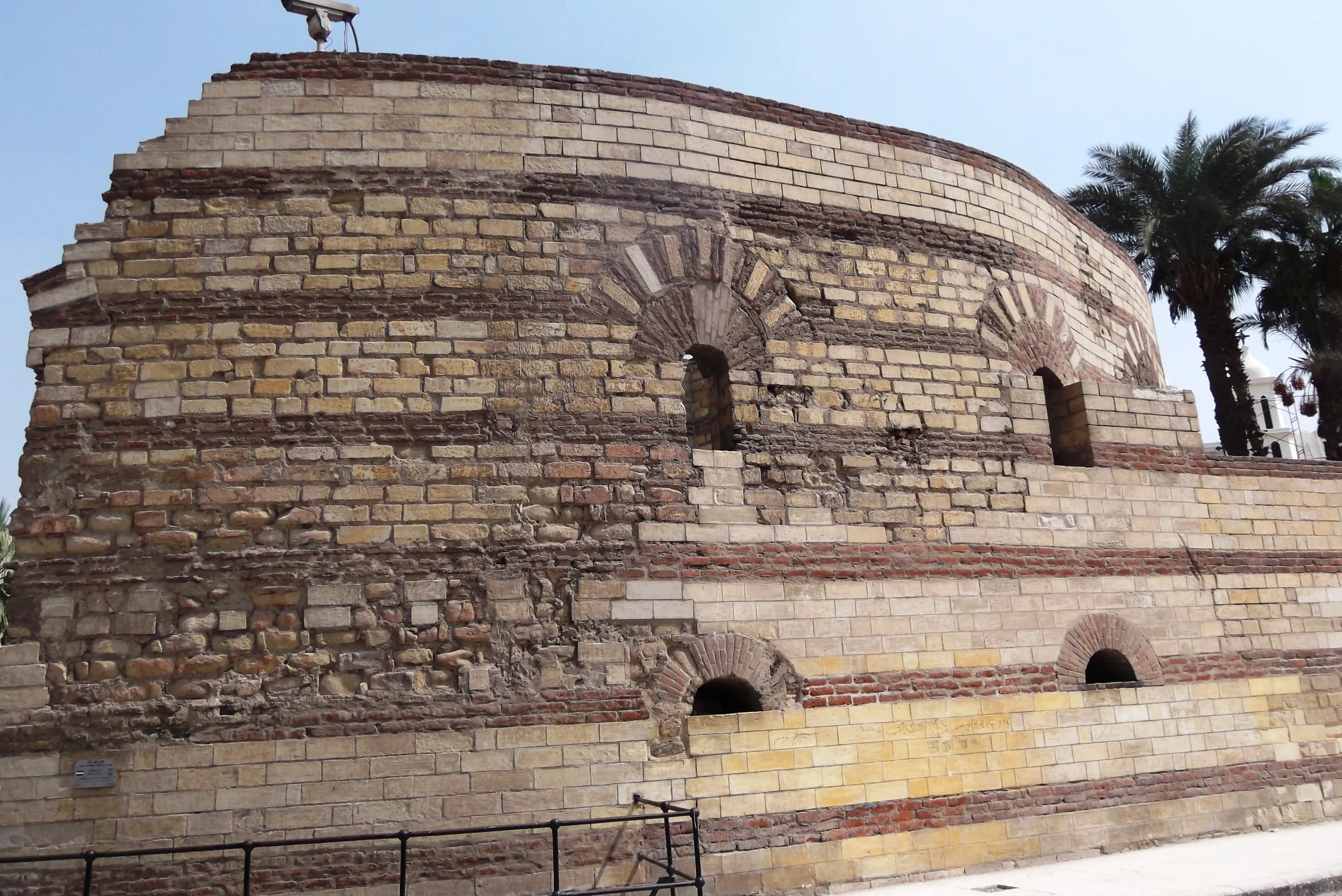
The Islamic expansion under Caliph Umar ibn al-Khattab (634-644 CE) represents the most spectacular period of territorial conquest in Islamic history. During his ten-year reign, the Islamic empire expanded from the Arabian Peninsula to encompass vast territories of the former Sassanian and Byzantine empires, stretching from Central Asia to North Africa. This unprecedented expansion transformed Islam from a regional Arabian movement into a world civilization spanning three continents.
Strategic Context and Inheritance
The Foundation from Abu Bakr
When Umar assumed the caliphate in 634 CE, he inherited a favourable situation: a unified Arabia following the successful conclusion of the Ridda Wars, ongoing campaigns with initial raids into Iraq and Syria already underway, a battle-tested army seasoned in the Ridda Wars, and a strategic momentum of forward movement that was already established. His key inherited assets included Khalid ibn al-Walid, the brilliant military commander; experienced generals who were veterans of the Arabian campaigns; motivated forces that were religiously inspired and disciplined; and strategic intelligence in the form of knowledge of the neighbouring empires' weaknesses.
Geopolitical Opportunities
The Byzantine and Sassanian empires were exhausted. Decades of warfare had weakened both through mutual conflicts, prolonged wars had depleted their resources and placed their economies under strain, their armies were fatigued and demoralised, and their governance systems were disrupted by administrative chaos. They were also internally vulnerable: religious minorities such as the Monophysite Christians were oppressed by the Byzantines, populations harboured economic grievances arising from heavy taxation and exploitation, political instability flowed from succession crises and civil conflicts, and defensive capabilities had been reduced by military weakness.
The Syrian Campaign (634-638 CE)
Initial Advances
Umar coordinated attacks on several fronts. A northern route ran through Mesopotamia toward Damascus, a southern route advanced directly from the Arabian Peninsula, the forces were coordinated to converge for major battles, and the strategy retained the flexibility to shift resources as needed. The key early victories included Ajnadayn (634 CE), a decisive defeat of Byzantine forces; Fihl (635 CE), which eliminated a major Byzantine army; the siege of Damascus (634–635 CE), which captured the Syrian capital; and Bosra (634 CE), a strategic southern Syrian city that was taken.
The Siege of Damascus
Damascus was of great strategic importance as the regional capital and administrative centre of Byzantine Syria, a major economic hub of trade and commerce, a city whose capture would carry a strong psychological and symbolic impact, and a strategic position serving as the gateway to the rest of Syria. The military operations involved a coordinated assault in which multiple Muslim armies converged, siege tactics of systematic blockade and pressure, and a negotiated surrender whose terms were agreed for a peaceful transition, all under the brilliant tactical coordination of Khalid's leadership.
Conquest of Jerusalem (638 CE)
The campaign for the holy city carried great weight. Jerusalem was the third holiest city in Islam, of symbolic importance for its connection to the Prophet's Night Journey, a major centre of Christianity, and a target whose capture would demonstrate Islamic power. Umar was personally involved: he travelled to Jerusalem to negotiate directly, granted generous and peaceful terms to the Christian population, concluded the historic Umariyya Covenant protecting religious minorities, and made a humble, symbolic entry that demonstrated Islamic values.
The Iraqi Campaign (634-637 CE)
Conquest of Mesopotamia
The strategic objectives in Iraq were to attack the Sassanian heartland and the Persian empire's core, to seize its rich agricultural and trade regions, to control the Tigris–Euphrates valley, and to establish a forward base as a platform for further Persian conquest. The major battles included Kazima (634 CE), Khalid's victory establishing a Muslim presence; Ullais (635 CE), the "River of Blood," a decisive Muslim victory; Firad (634 CE), which eliminated a major Sassanian force; and Babylon (635 CE), the capture of the ancient city.
The Battle of Qadisiyyah (636 CE)
Qadisiyyah was a decisive confrontation. It was the largest battle between the Muslims and the Sassanians, in which the leading Sassanian general Rustam was killed, the Persian war elephants of the elephant corps were neutralised, and Sassanian military power was broken in a complete victory. Its strategic consequences were significant: the path to the Sassanian capital of Ctesiphon was cleared, Sassanian resistance in Iraq effectively collapsed, enormous wealth was seized for the Muslim treasury, and the victory demonstrated Muslim military superiority with great psychological impact.
The Persian Campaign (637-644 CE)
Conquest of Ctesiphon
Ctesiphon, the Sassanian capital, had been the imperial centre and heart of the Persian empire for centuries. It held enormous wealth in vast treasures accumulated over generations, and its capture was a symbolic victory marking the end of Sassanian imperial power as well as the seizure of the administrative centre that controlled the Persian governmental apparatus. The White Palace within it was the magnificent imperial residence of the Sassanian kings, a treasure trove of incredible wealth in gold, silver, and jewels, a repository of priceless Persian art and manuscripts, and a source of strategic intelligence in its administrative records and documents.
Expansion into Persia Proper
The conquest of Persia proper proceeded systematically, through regional campaigns advancing methodically through the Persian provinces, local alliances cooperating with Persian nobles and administrators, administrative continuity that preserved existing governmental structures, and cultural respect that protected Persian customs and traditions. Among the major Persian cities conquered were Isfahan, the central Persian administrative centre; Hamadan, the ancient Median capital; Rey, an important commercial and strategic city; and Merv, the eastern frontier city controlling the Central Asian routes.
The Egyptian Campaign (639-642 CE)
Strategic Decision
The Egyptian campaign began with the initiative of Amr ibn al-As, whose strategic vision recognised Egypt's importance, whose economic motivation lay in Egypt's wealth and grain production, and who saw the strategic value of controlling the Eastern Mediterranean; Umar gave cautious but eventual approval. Egypt was vulnerable in several respects: religious tensions arose from the Byzantine oppression of Coptic Christians, the population suffered economic exploitation through heavy taxation and resource extraction, the Byzantine garrison forces were militarily weak, and the geography of the Nile River provided natural routes of advance.
Conquest of Alexandria
Alexandria was a great city, a major Mediterranean trading hub and economic centre, an intellectual capital famous for its library and learning, a strategic port controlling Eastern Mediterranean shipping, and the last major Byzantine stronghold in Egypt. Its siege and capture involved a naval blockade to control the harbour and sea approaches, a land siege applying systematic pressure on the city's defences, negotiated terms for a peaceful transition, and cultural preservation that protected libraries and learning institutions.
Military Organization and Strategy
Command Structure
Leadership was centralised. Umar exercised direct authority from Medina, regional commanders were trusted generals granted operational autonomy, a coordination system ensured regular communication and strategic planning, and resource allocation followed a systematic distribution of forces and supplies. The key military leaders were Khalid ibn al-Walid, called "Sayf Allah al-Maslul" (The Drawn Sword of Allah); Abu Ubaidah ibn al-Jarrah, the trusted commander in Syria; Sa'd ibn Abi Waqqas, leader of the Iraqi campaigns; and Amr ibn al-As, the conqueror of Egypt.
Military Innovations
Tactical developments included combined arms, the integration of cavalry, infantry, and archers; mobility, the rapid movement and concentration of forces; intelligence, the systematic gathering of information about the enemy; and logistics, efficient supply and communication systems. The strategic principles included pressing on multiple fronts simultaneously across different theatres, forming local alliances with sympathetic populations, offering generous and attractive surrender terms, and drawing on religious motivation as spiritual inspiration for the troops.
Administrative Genius
Governance of Conquered Territories
The governance of conquered territories emphasised administrative continuity. Functional administrative structures were preserved, competent Persian and Byzantine officials were retained, incorporation into the Islamic system was gradual, and cultural sensitivity was shown through respect for local customs and traditions. Revenue management rested on systematic taxation through the organised collection of tribute and taxes, the Bayt al-Mal or central treasury for managing imperial resources, a stipend system of regular payments to Muslim soldiers and their families, and economic development through investment in infrastructure and trade.
Religious Policy
Religious minorities were accorded protected dhimmi status for Christians, Jews, and Zoroastrians, a guarantee of religious freedom in worship and religious practice, judicial autonomy under which personal-status matters were handled by their own religious authorities, and economic integration through participation in trade and commerce. Conversion policy prohibited forced or coerced religious change; Islam's appeal was understood to work through the natural attraction of its justice and equality, conversion proceeded as a slow but steady process over generations, and a cultural synthesis integrated Islamic and local traditions.
Economic Impact and Transformation
Wealth Acquisition
The conquests brought unprecedented riches: the enormous Sassanian treasures from the Persian conquests, significant Byzantine resources from the Syrian and Egyptian conquests, dominance of the major commercial trade routes, and control of fertile, agriculturally productive regions. These were handled through a distribution system based on equitable sharing according to Islamic principles, military stipends of regular payments to soldiers and their families, public works investing in infrastructure and public facilities, and charitable activities supporting the poor and needy.
Economic Integration
Trade networks were integrated through commercial continuity that maintained existing relationships, new opportunities as Islamic merchants entered established markets, the gradual introduction of Islamic monetary standards, and the development of Islamic commercial jurisprudence. Agricultural development involved the maintenance and improvement of irrigation and water-management systems, the application of Islamic principles to land tenure and ownership, the continued cultivation of traditional crops, and the securing of adequate food supplies for a growing population.
Social and Cultural Transformation
Integration of Populations
Demographic changes followed the conquests. Arab tribes were strategically settled in conquered territories, garrison cities such as Kufa, Basra, and Fustat were established as military centres, existing cities grew and new ones were created, and Arab and local populations gradually mixed and integrated. Cultural exchange accompanied these changes: Arabic spread to become the administrative and scholarly language, Islamic education was established through schools and learning centres, Islamic architectural styles were introduced, and an intellectual synthesis combined Islamic and local scholarly traditions.
Legal and Judicial Systems
Islamic law was implemented gradually, with Islamic legal principles introduced slowly, existing legal traditions accommodated where they were compatible, Islamic judges (qadis) appointed, and local populations trained in Islamic jurisprudence. Administrative justice rested on equal treatment, delivering justice for all regardless of religion or ethnicity; accessible courts, making the legal system available to all populations; appeal processes providing mechanisms for challenging judicial decisions; and Umar's personal oversight of justice and administrative fairness.
Challenges and Solutions
Administrative Challenges
The scale of the empire posed real administrative challenges: maintaining communication across vast distances, coordinating and synchronising policies across different regions, managing culturally diverse populations and traditions, and allocating imperial resources efficiently. The solutions implemented included a provincial system dividing the empire into manageable administrative units, regular and systematic correspondence with regional governors, standardised policies applying Islamic principles consistently, and local adaptation allowing flexibility in implementation based on local conditions.
Military Challenges
Overextension carried its own risks: long supply lines made it difficult to maintain forces far from Arabia, local resistance produced ongoing opposition in some conquered territories, garrison requirements demanded the maintenance of forces in conquered cities, and recruitment needs created a continuous demand for additional military personnel. The strategic responses included establishing garrison cities as permanent military bases, recruiting locally by integrating local populations into the military forces, maintaining strategic reserves of mobile forces for crisis response, and fortifying key strategic locations as defensive positions.
Legacy and Long-term Impact
Territorial Foundation
The conquests laid the territorial foundation of the empire. They established the geographic extent and territorial base of the Islamic empire, secured control of key geographic and commercial positions, provided the administrative framework as the basic structure for imperial governance, and began the cultural integration through which Islamic civilization would expand. Their influence proved enduring: Islam was permanently established in the conquered regions, the conquered populations underwent long-term Islamization, an architectural heritage of Islamic buildings and urban planning took shape, and centres of Islamic learning and scholarship formed a lasting intellectual legacy.
Administrative Innovations
In government, the period produced a model of provincial administration for later Islamic imperial governance, a systematic approach to imperial finances in revenue management, a professional military structure, and a legal framework integrating Islamic law with local traditions. In social policy, it produced a model of religious tolerance in the treatment of religious minorities, the successful economic integration of diverse populations, a cultural synthesis blending Islamic and local traditions, and educational development promoting learning and intellectual growth.
Comparison with Other Conquests
Unique Characteristics
The expansion was distinctive in its speed and scale. It advanced at an unprecedented pace, faster than any previous imperial expansion; it conquered a vaster territory than most historical empires; it met relatively little resistance in many regions; and it left a permanent impact, producing a long-lasting transformation of the conquered territories. Its methods and approach were equally distinctive: religious motivation provided the spiritual inspiration driving the expansion, generous terms offered attractive conditions for surrender and cooperation, cultural respect preserved local traditions and customs, and administrative continuity maintained existing governmental structures.
Historical Parallels
Compared with Roman expansion, the two share a systematic approach and administrative efficiency, but differ in the Islamic expansion's religious motivation and its treatment of conquered peoples; the Islamic expansion covered a larger area in a shorter time, and its influence proved more enduring in many regions. Compared with the Mongol conquests, both achieved rapid territorial expansion, but their methods differed, the Mongols being more destructive and the Muslims more integrative; the Islamic administrative system was more sophisticated and enduring, and the Islamic expansion created a lasting civilization.
Daily Life and Social Changes
Transformation of Urban Centers
The Islamic expansion under Umar brought profound changes to the daily life of urban populations across the conquered territories. Cities that had been centers of Byzantine or Sassanian administration were transformed into Islamic urban centers, though this transformation was gradual and respectful of existing populations and traditions. The changes affected everything from governance and law to commerce, education, and social relationships.
In Syrian cities like Damascus, Aleppo, and Homs, the transition to Islamic rule brought immediate changes in administrative structures but more gradual changes in daily life. Muslim governors replaced Byzantine officials, and Islamic law began to be applied in matters involving Muslims. However, Christian populations continued to live according to their own customs and laws in personal matters, and the cities retained much of their Byzantine character in architecture, commerce, and culture. The coexistence of Islamic and Christian populations created a unique urban environment where different traditions interacted and influenced each other.
The establishment of garrison cities like Kufa and Basra in Iraq represented a different model of urban development. These new cities were built specifically to house Arab Muslim forces and their families, creating distinctively Islamic urban centers from the beginning. The layout of these cities reflected Islamic principles of urban planning, with the mosque at the center, surrounded by residential quarters organized by tribal affiliation. Markets, schools, and other facilities were located to serve the community's needs. These garrison cities became important centers of Islamic culture and learning, attracting scholars, merchants, and settlers from across the Islamic world.
In Persian cities like Ctesiphon, Isfahan, and Merv, the transition to Islamic rule brought changes that were both dramatic and gradual. The collapse of Sassanian imperial authority created initial chaos and uncertainty, but Islamic administration gradually established order and stability. Persian administrative traditions and personnel were largely retained, with Muslim governors overseeing a system that continued to function much as it had under Sassanian rule. This continuity helped to maintain economic productivity and social stability during the transition period.
The transformation of urban economies under Islamic rule created new opportunities and challenges. The integration of conquered territories into a single Islamic economic system facilitated trade and commerce across vast distances. Merchants could travel from Spain to Central Asia within a single political and legal framework, reducing risks and transaction costs. This economic integration stimulated trade and contributed to urban prosperity. However, the transition also disrupted some existing economic relationships and required adaptation to new commercial practices and regulations.
The development of Islamic educational institutions in urban centers created new opportunities for learning and intellectual development. Mosques served not only as places of worship but also as educational centers where the Quran, hadith, and Islamic law were taught. These mosque schools attracted students from across the Islamic world and became important centers of Islamic scholarship. The presence of these institutions alongside existing Christian and Jewish educational facilities created intellectually vibrant urban environments where different traditions coexisted and sometimes interacted.
Rural Life and Agricultural Communities
The impact of Islamic expansion on rural populations was generally less dramatic than its impact on urban centers, but it was nonetheless significant. Rural communities, which constituted the majority of the population in most conquered territories, experienced changes in taxation, land tenure, and governance, though their daily agricultural routines often continued much as before. The Islamic administration's approach to rural areas emphasized maintaining agricultural productivity while ensuring fair treatment of rural populations.
The transition from Byzantine or Sassanian taxation systems to Islamic taxation brought both relief and adjustment for rural populations. The Byzantine and Sassanian systems had been notoriously oppressive, with heavy taxes and arbitrary collection methods that often left peasants in desperate poverty. The Islamic jizya and kharaj systems, while still requiring substantial payments, were generally more predictable and fair. Tax rates were clearly defined, collection methods were regulated, and mechanisms existed for appealing unfair assessments. This greater fairness and predictability helped to win the support of rural populations for Islamic rule.
Land tenure arrangements under Islamic rule reflected a pragmatic approach that sought to maintain agricultural productivity while implementing Islamic principles. In many areas, existing land ownership patterns were largely maintained, with landowners continuing to hold their properties as long as they paid the required taxes. In other areas, particularly lands that had belonged to the Byzantine or Sassanian states, Islamic authorities distributed land to Muslim settlers or retained it as state property. These varied approaches reflected the diversity of situations encountered and the Islamic administration's flexibility in adapting to local conditions.
The introduction of Islamic agricultural practices and crops gradually transformed rural economies in some regions. Muslim settlers brought with them knowledge of crops and agricultural techniques from Arabia and other regions, and these were sometimes adopted by local populations. The integration of different regions into a single economic system facilitated the spread of agricultural innovations and the introduction of new crops. However, these changes were gradual, and traditional agricultural practices continued to dominate in most areas for generations.
Rural communities' relationship with Islamic authorities was mediated through various intermediaries, including local landowners, village headmen, and tax collectors. The Islamic administration generally worked through existing local structures rather than attempting to impose entirely new systems. This approach helped to maintain stability and continuity in rural areas while gradually introducing Islamic governance principles. The success of this approach varied depending on the competence and fairness of local officials and the receptiveness of rural populations to the new order.
The protection of rural populations from banditry and warfare was one of the benefits that Islamic rule brought to many areas. The establishment of effective governance and security systems reduced the lawlessness that had plagued some rural areas during the final years of Byzantine and Sassanian rule. Rural populations could farm their lands and travel to markets with greater security, contributing to agricultural productivity and rural prosperity. This security was particularly valued in areas that had suffered from the chaos of the Byzantine-Sassanian wars.
Social Mobility and Integration
The Islamic expansion created unprecedented opportunities for social mobility, particularly for those who converted to Islam. The Islamic emphasis on equality among believers and the meritocratic principles that governed Islamic society meant that individuals could rise to positions of authority and influence based on their abilities and contributions rather than their birth or ethnicity. This social mobility was one of the factors that made Islam attractive to many in the conquered territories.
Arab Muslims who participated in the conquests gained significant economic and social benefits. They received stipends from the state treasury, shares of captured wealth, and land grants in some cases. These material benefits, combined with the prestige of being among the conquerors, elevated the social status of Arab Muslims and created a new elite class. However, Islamic principles of equality and the need to govern diverse populations meant that this Arab elite could not simply dominate conquered populations but had to share power and integrate with local elites.
Non-Arab converts to Islam (mawali) occupied an ambiguous position in early Islamic society. While Islamic principles proclaimed the equality of all Muslims regardless of ethnicity, social practice often lagged behind these ideals. Mawali sometimes faced discrimination and were not always accorded the same status and benefits as Arab Muslims. However, talented and capable mawali could rise to positions of influence, particularly in administrative and scholarly roles where their knowledge of local languages and conditions was valuable. The tension between Islamic ideals of equality and social practices that favored Arabs would be a recurring theme in early Islamic history.
Non-Muslims who remained in their ancestral faiths (dhimmis) maintained their social structures and hierarchies within their own communities. Christian and Jewish religious leaders, wealthy merchants, and landowners continued to enjoy high status within their communities and often served as intermediaries between their communities and Islamic authorities. While dhimmis were subject to certain restrictions and obligations, they also enjoyed legal protections and religious freedom that allowed them to maintain their communities and traditions. The dhimmi system created a framework for social integration that allowed diverse populations to coexist while maintaining distinct identities.
The intermarriage between Arab Muslims and local populations, particularly in Syria and Iraq, created new social bonds and facilitated cultural integration. Muslim men could marry Christian and Jewish women, and the children of these marriages were raised as Muslims. This intermarriage helped to create social ties between conquerors and conquered and contributed to the gradual Islamization of the population. However, the pace of this integration varied greatly across different regions and communities.
The development of a shared Arabic language and Islamic culture gradually created new forms of social identity that transcended ethnic and regional boundaries. As Arabic became the language of administration, commerce, and scholarship, and as Islamic culture spread through education and social interaction, people from diverse backgrounds began to share common cultural references and identities. This cultural integration was a gradual process that would take generations to complete, but its foundations were laid during Umar's caliphate.
Trade, Commerce, and Economic Development
Integration of Trade Networks
The Islamic expansion under Umar created a vast economic zone that integrated previously separate trade networks and facilitated commerce across unprecedented distances. The unification of territories from Central Asia to Egypt under a single political authority removed many of the barriers that had previously impeded trade and created opportunities for economic growth and prosperity. This economic integration was one of the most significant long-term consequences of the Islamic conquests.
The major trade routes that had connected different regions of the ancient world - the Silk Road linking China to the Mediterranean, the maritime routes of the Indian Ocean, and the caravan routes across Arabia and North Africa - were now largely under Islamic control or influence. This control allowed Muslim merchants to travel and trade with greater security and fewer political obstacles than had been possible under the fragmented political systems that preceded Islamic rule. The reduction in political barriers to trade stimulated commercial activity and contributed to economic growth across the Islamic world.
The development of a common legal framework for commercial transactions facilitated trade across the Islamic world. Islamic commercial law, based on Quranic principles and prophetic traditions, provided clear rules for contracts, partnerships, credit, and dispute resolution. This legal framework was recognized and enforced throughout Islamic territories, giving merchants confidence that their agreements would be honored and their disputes fairly resolved. The predictability and fairness of Islamic commercial law was one of the factors that contributed to the flourishing of trade under Islamic rule.
The establishment of secure trade routes and the protection of merchants were priorities for Islamic authorities. Umar and his governors worked to suppress banditry, maintain roads and caravanserais, and ensure that merchants could travel safely with their goods. This security was essential for long-distance trade, which required merchants to travel through diverse territories with valuable cargoes. The Islamic state's commitment to protecting trade reflected both practical economic considerations and Islamic religious principles that valued commerce and protected merchants' rights.
The integration of different regional economies created opportunities for specialization and comparative advantage. Regions could focus on producing goods for which they were best suited, knowing that they could trade these goods for products from other regions. Egyptian grain, Syrian textiles, Iraqi dates, Persian carpets, and Arabian incense could all be traded within a single economic system, creating prosperity for producers and consumers alike. This economic specialization contributed to overall productivity and wealth creation across the Islamic world.
The development of banking and financial services supported the growth of trade and commerce. Muslim merchants developed sophisticated financial instruments including letters of credit, bills of exchange, and partnership agreements that facilitated long-distance trade and large-scale commercial ventures. These financial innovations reduced the risks and costs of trade and allowed for more complex and ambitious commercial activities. The development of Islamic banking and finance during this period laid foundations for later economic development and demonstrated the sophistication of Islamic commercial practices.
Urban Markets and Commercial Centers
The markets (souqs) of Islamic cities became vibrant centers of economic activity and social interaction. These markets were carefully organized and regulated to ensure fair trading and to provide consumers with access to a wide variety of goods. The organization of markets reflected Islamic principles of commercial ethics and the practical needs of urban populations. Markets were typically organized by trade or craft, with different sections devoted to textiles, spices, metalwork, food, and other goods.
The regulation of markets was an important function of Islamic urban administration. Market inspectors (muhtasib) were appointed to ensure that merchants followed fair trading practices, that weights and measures were accurate, that goods were of acceptable quality, and that prices were reasonable. These market regulations protected consumers from fraud and exploitation while also protecting honest merchants from unfair competition. The muhtasib system demonstrated Islamic commitment to commercial ethics and fair dealing.
The diversity of goods available in Islamic markets reflected the vast extent of the Islamic trading network. Markets in Damascus or Baghdad might offer silk from China, spices from India, ivory from Africa, furs from Central Asia, and local products from surrounding regions. This diversity of goods enriched urban life and demonstrated the economic benefits of the Islamic empire's vast extent. The availability of luxury goods and everyday necessities in urban markets contributed to the prosperity and sophistication of Islamic urban culture.
The development of specialized crafts and industries in Islamic cities created employment opportunities and contributed to urban prosperity. Textile production, metalworking, pottery, glassmaking, and other crafts flourished in Islamic cities, producing goods for local consumption and for export. The concentration of skilled craftsmen in urban centers created opportunities for innovation and quality improvement, as craftsmen learned from each other and competed to produce superior products. The guild systems that developed to organize these crafts helped to maintain quality standards and to train new generations of craftsmen.
The commercial infrastructure of Islamic cities included not only markets but also warehouses, caravanserais, and other facilities that supported trade. Caravanserais provided accommodation and storage for traveling merchants and their goods, facilitating long-distance trade. Warehouses allowed merchants to store goods until market conditions were favorable for sale. Banking and money-changing facilities provided financial services. This commercial infrastructure demonstrated the sophistication of Islamic urban economies and the importance that Islamic authorities placed on facilitating trade and commerce.
Agricultural Production and Rural Economy
Agriculture remained the foundation of the Islamic economy, as it was for all pre-modern economies. The vast majority of the population was engaged in agricultural production, and agricultural products constituted the bulk of economic output. Islamic rule brought changes to agricultural systems that generally improved productivity and fairness while maintaining continuity with traditional practices.
The Islamic approach to agricultural taxation sought to balance the need for state revenue with the welfare of agricultural producers. The kharaj (land tax) was assessed based on the productivity of land and the crops grown, with rates that were intended to be fair and sustainable. This approach contrasted with the often arbitrary and oppressive taxation of the Byzantine and Sassanian systems. The greater fairness and predictability of Islamic taxation helped to maintain agricultural productivity and to win the support of rural populations.
The introduction of new crops and agricultural techniques gradually transformed agricultural production in some regions. Muslim settlers and merchants brought knowledge of crops and farming methods from different regions, and these were sometimes adopted by local farmers. The integration of different regions into a single economic system facilitated the spread of agricultural innovations. However, these changes were gradual, and traditional crops and methods continued to dominate in most areas for generations.
The maintenance and improvement of irrigation systems was a priority for Islamic authorities, particularly in Iraq and Persia where agriculture depended on complex irrigation networks. The Islamic administration invested in maintaining and expanding these systems, recognizing that agricultural productivity depended on adequate water supply. This attention to irrigation infrastructure helped to maintain and sometimes increase agricultural output, contributing to economic prosperity and food security.
The development of agricultural markets and the integration of rural and urban economies created opportunities for agricultural producers to sell their products and to purchase manufactured goods and other necessities. The security of trade routes and the fairness of market regulations made it easier for farmers to bring their products to market and to receive fair prices. This integration of rural and urban economies contributed to overall economic development and helped to create prosperity that was shared between urban and rural populations.
Intellectual and Cultural Flourishing
The Beginning of Islamic Scholarship
The Islamic expansion under Umar created conditions that would lead to an extraordinary flourishing of Islamic scholarship and intellectual life. The conquest of territories with rich intellectual traditions, the integration of diverse populations, and the Islamic emphasis on learning and knowledge all contributed to the development of Islamic scholarship during this period. While the full flowering of Islamic intellectual life would come later, its foundations were laid during Umar's caliphate.
The study of the Quran and hadith was the foundation of Islamic scholarship, and the expansion of Islamic territories created new challenges and opportunities for this study. As Islam spread to new regions with different languages and cultures, scholars had to develop methods for teaching Islamic knowledge to diverse populations. The need to apply Islamic principles to new situations and to answer questions from new converts stimulated the development of Islamic jurisprudence and theology. The intellectual challenges posed by expansion contributed to the sophistication and depth of Islamic scholarship.
The encounter with the intellectual traditions of conquered territories exposed Muslim scholars to new ideas and approaches. In Syria and Egypt, Muslims encountered Greek philosophical and scientific traditions that had been preserved and developed by Christian scholars. In Persia, they encountered Persian literary and administrative traditions. These encounters would eventually lead to the great translation movement and the integration of Greek and Persian learning into Islamic intellectual culture, though this process would take time to develop fully.
The establishment of mosques as centers of learning created institutional foundations for Islamic scholarship. Mosques were not only places of worship but also schools where the Quran, hadith, and Islamic law were taught. These mosque schools attracted students from across the Islamic world and became important centers of learning. The tradition of mosque-based education that began during this period would continue throughout Islamic history and would produce generations of scholars who preserved and developed Islamic knowledge.
The development of Arabic as the language of Islamic scholarship created a common intellectual language that facilitated communication and exchange across the Islamic world. Scholars from different regions and ethnic backgrounds could communicate in Arabic, share their knowledge, and build on each other's work. This linguistic unity was crucial for the development of a coherent Islamic intellectual tradition and for the transmission of knowledge across vast distances.
Cultural Exchange and Synthesis
The Islamic expansion brought together people from diverse cultural backgrounds, creating opportunities for cultural exchange and synthesis. While Islam provided a unifying religious and cultural framework, it also accommodated and incorporated elements from the various cultures it encountered. This cultural synthesis enriched Islamic civilization and demonstrated Islam's capacity to adapt to different cultural contexts while maintaining its essential principles.
In architecture, Islamic builders learned from and adapted the architectural traditions of conquered territories. Byzantine domes and arches, Persian decorative techniques, and local building materials and methods were incorporated into Islamic architecture, creating distinctive regional styles that were recognizably Islamic while also reflecting local traditions. This architectural synthesis produced some of the most beautiful and innovative buildings in history and demonstrated the creative potential of cultural exchange.
In literature and poetry, Arabic literary traditions interacted with Persian, Greek, and other literary traditions, creating new forms and styles. While Arabic remained the primary language of Islamic literature, Persian would eventually develop as a major Islamic literary language, and other languages would also contribute to Islamic literary culture. The interaction of different literary traditions enriched Islamic literature and created works of enduring beauty and significance.
In music and the arts, Islamic culture developed distinctive forms that reflected both Islamic principles and the influence of various cultural traditions. While Islamic religious principles placed some restrictions on certain forms of artistic expression, particularly the depiction of living beings in religious contexts, Islamic art developed rich traditions of calligraphy, geometric design, and decorative arts. These artistic traditions drew on various cultural influences while creating distinctively Islamic aesthetic principles.
In cuisine and daily life, the interaction of different cultural traditions created rich and diverse Islamic cultures. Foods, clothing styles, social customs, and daily practices from different regions were adopted and adapted, creating the diverse tapestry of Islamic cultural life. This cultural diversity within Islamic unity demonstrated Islam's capacity to accommodate different traditions while maintaining a coherent religious and cultural identity.
Scientific and Technological Development
While the major achievements of Islamic science and technology would come in later periods, the foundations for these achievements were laid during the expansion under Umar. The conquest of territories with advanced scientific and technological traditions, the Islamic emphasis on learning and knowledge, and the practical needs of governing a vast empire all contributed to the beginning of Islamic scientific development.
The encounter with Greek scientific and philosophical traditions in Syria and Egypt exposed Muslim scholars to advanced mathematical, astronomical, and medical knowledge. While the major translation efforts would come later, the initial contacts during this period laid groundwork for the eventual integration of Greek learning into Islamic intellectual culture. Muslim scholars began to recognize the value of this knowledge and to see how it could be reconciled with Islamic principles and used for practical purposes.
The practical needs of Islamic administration and religious practice stimulated scientific and technological development. Accurate determination of prayer times and the direction of Mecca required astronomical knowledge. The administration of a vast empire required mathematical skills for accounting and surveying. The construction of mosques and other buildings required engineering knowledge. These practical needs created demand for scientific and technological knowledge and encouraged its development and application.
The preservation and transmission of knowledge from earlier civilizations was an important contribution of early Islamic civilization. As the Byzantine and Sassanian empires collapsed, much of their accumulated knowledge was at risk of being lost. Islamic scholars and administrators recognized the value of this knowledge and worked to preserve it. Libraries were established, manuscripts were copied and preserved, and scholars were supported in their work of studying and transmitting knowledge. This preservation effort ensured that valuable knowledge from earlier civilizations would be available for future generations.
The development of paper-making technology, which Muslims learned from Chinese prisoners captured in Central Asia, would eventually revolutionize the transmission of knowledge in the Islamic world. While this development came slightly after Umar's caliphate, the expansion that brought Muslims into contact with Chinese civilization made it possible. The adoption of paper-making technology would make books more affordable and accessible, contributing to the spread of literacy and learning throughout the Islamic world.
Conclusion
The Islamic expansion under Umar ibn al-Khattab stands as one of the most remarkable achievements in world history, transforming the Islamic community from a regional Arabian movement into a global civilization spanning three continents. The unprecedented speed and scale of these conquests, achieved within a single decade, demonstrated the extraordinary military, administrative, and diplomatic capabilities of the early Islamic state.
Umar's strategic vision combined military excellence with administrative genius, creating a system that not only conquered vast territories but successfully integrated diverse populations into a unified Islamic empire. The generous treatment of conquered peoples, respect for local traditions, and establishment of just governance created conditions for long-term stability and cultural synthesis.
The expansion's success lay not merely in military victory but in the creation of a new civilization that preserved the best elements of conquered cultures while introducing Islamic principles of justice, equality, and religious tolerance. The administrative systems, legal frameworks, and cultural institutions established during this period provided the foundation for Islamic civilization's golden age and continued influence.
The legacy of Umar's expansion extends far beyond territorial conquest to encompass the creation of a multicultural Islamic civilization that fostered learning, trade, and cultural exchange across vast regions. The principles of governance, religious tolerance, and administrative efficiency established during this period continued to influence Islamic political thought and practice for centuries to come.
Today, the regions conquered during Umar's caliphate remain predominantly Muslim, testament to the enduring impact of this remarkable period of expansion and the successful integration of diverse populations into the Islamic world. The expansion under Umar ibn al-Khattab represents not just military conquest but the birth of a world civilization that continues to shape global culture and politics to this day.
References and Further Reading
Primary Islamic Sources
- Quran, Surah At-Tawbah (9:33) — "It is He who has sent His Messenger with guidance and the religion of truth to manifest it over all religion."
- Quran, Surah Al-Fath (48:28) — "It is He who sent His Messenger with guidance and the religion of truth."
- Sahih al-Bukhari, Book of Military Expeditions (Kitab al-Maghazi) — Campaigns during Umar's caliphate.
- Sahih Muslim, Book of Jihad — Narrations on the early conquests.
- Al-Tabari, Muhammad ibn Jarir. Tarikh al-Rusul wa al-Muluk, sections on the conquests under Umar. Cairo: Dar al-Ma'arif, 1960. [Original c. 915 CE]
- Al-Baladhuri, Ahmad ibn Yahya. Futuh al-Buldan (Conquest of the Lands). Leiden: Brill, 1866. [Original c. 892 CE]
- Al-Waqidi, Muhammad ibn Umar. Futuh al-Sham (Conquest of Syria). [Attributed, c. 9th century CE]
Classical Islamic Sources
- Ibn Khaldun, Abd al-Rahman. Kitab al-Ibar, sections on the Rashidun conquests. [Original c. 1377 CE]
- Ibn Kathir, Ismail ibn Umar. Al-Bidaya wa al-Nihaya, sections on Umar's caliphate. [Original c. 1370 CE]
- Al-Suyuti, Jalal al-Din. Tarikh al-Khulafa, chapter on Umar. [Original c. 1500 CE]
- Ibn al-Athir, Ali ibn Muhammad. Al-Kamil fi al-Tarikh, sections on the conquests. [Original c. 1231 CE]
Academic and Scholarly Sources
- Donner, Fred M. The Early Islamic Conquests. Princeton: Princeton University Press, 1981.
- Kennedy, Hugh. The Great Arab Conquests: How the Spread of Islam Changed the World We Live In. Philadelphia: Da Capo Press, 2007.
- Kaegi, Walter E. Byzantium and the Early Islamic Conquests. Cambridge: Cambridge University Press, 1992.
- Morony, Michael G. Iraq After the Muslim Conquest. Princeton: Princeton University Press, 1984.
- Hoyland, Robert G. In God's Path: The Arab Conquests and the Creation of an Islamic Empire. Oxford: Oxford University Press, 2015.
- Levy-Rubin, Milka. Non-Muslims in the Early Islamic Empire: From Surrender to Coexistence. Cambridge: Cambridge University Press, 2011.
Further Reading
- Kennedy, Hugh. The Prophet and the Age of the Caliphates. 3rd ed. London: Routledge, 2016.
- Berkey, Jonathan P. The Formation of Islam. Cambridge: Cambridge University Press, 2003.
- Crone, Patricia. Slaves on Horses: The Evolution of the Islamic Polity. Cambridge: Cambridge University Press, 1980.
- Hodgson, Marshall G.S. The Venture of Islam, Vol. 1. Chicago: University of Chicago Press, 1974.
Mentioned In
1 article references this topic
More from Rashidun Caliphate
Egypt: From Pharaonic Civilization to Modern Islamic State
Egypt's transformation from Pharaonic civilization through Islamic conquest to become a center of Islamic learning and modern Arab leadership, with Al-Azhar's enduring religious authority and pivotal role in Islamic history.
Iran (Persia): From Ancient Empire to Islamic Republic
Historically Persia, the one major region taken by the early Muslim armies that kept its own language and culture while reshaping Islamic civilisation. Its Shi'a identity dates from the Safavids of 1501, and its clerical leadership governs the present republic.
Jerusalem (Al-Quds)
The third holiest city in Islam, known as Al-Quds (The Holy). Site of the Al-Aqsa Mosque and Dome of the Rock, and the destination of Prophet Muhammad's Night Journey (Isra and Miraj). Conquered peacefully by Umar ibn al-Khattab in 637 CE.
Kufa as a Center of Governance
Founded in 638 CE as a military garrison, Kufa became one of the most consequential cities of early Islam — capital of Caliph Ali ibn Abi Talib, birthplace of the Iraqi legal tradition, a center of Arabic grammar and hadith, and the city where the Abbasid revolution was launched.