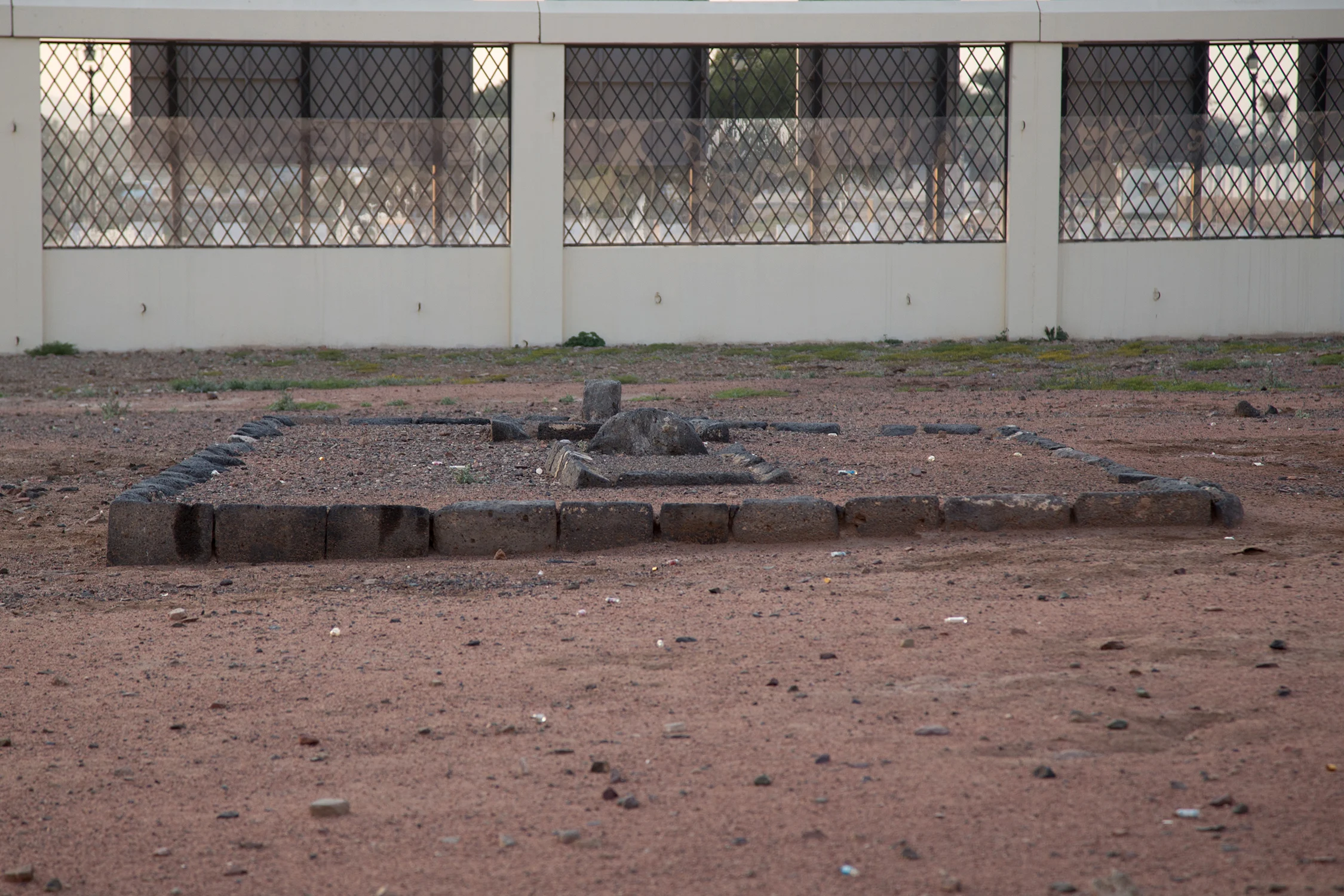
Hamza ibn Abdul Muttalib
Hamza ibn Abdul Muttalib (568-625 CE), known as 'Asad Allah wa Asad Rasulih' (Lion of Allah and Lion of His Messenger), the beloved uncle of Prophet Muhammad and one of the greatest warriors in Islamic history, whose martyrdom at the Battle of Uhud became a defining moment in early Islamic history.
Hamza ibn Abdul Muttalib: The Lion of Allah
Hamza ibn Abdul Muttalib (568-625 CE), known by the magnificent title "Asad Allah wa Asad Rasulih" (Lion of Allah and Lion of His Messenger), stands as one of the most beloved and heroic figures in Islamic history. As the paternal uncle of Prophet Muhammad and one of his most devoted protectors, Hamza embodied the ideals of courage, loyalty, and sacrifice that define Islamic heroism. His dramatic conversion to Islam, his fearless defense of the Prophet and the Muslim community, and his glorious martyrdom at the Battle of Uhud have made him an eternal symbol of Islamic valor and devotion.
Early Life and Pre-Islamic Background
Noble Birth and Family Heritage
Hashemite Lineage: Hamza was born around 568 CE into the noble Banu Hashim clan:
- Father: Abdul Muttalib ibn Hashim, the respected leader of Mecca and grandfather of Prophet Muhammad
- Mother: Halah bint Uhayb from the Banu Zuhra clan
- Clan Status: Banu Hashim, one of the most prestigious clans of the Quraysh tribe
- Family Position: Brother to Abdullah (Prophet Muhammad's father) and Abu Talib
- Age Relationship: Approximately the same age as his nephew Prophet Muhammad
Pre-Islamic Character:
- Physical Strength: Renowned for his exceptional physical strength and prowess
- Courage: Known throughout Mecca for his fearlessness and bravery
- Honor: Highly respected for his sense of honor and nobility
- Generosity: Famous for his generosity and support for the less fortunate
- Leadership: Natural leadership qualities recognized by his community
Relationship with Prophet Muhammad
Uncle-Nephew Bond: Despite being uncle and nephew, Hamza and Muhammad were more like brothers:
- Age Similarity: Being close in age, they grew up together as companions
- Shared Childhood: Sharing many childhood experiences and adventures
- Mutual Affection: Developing deep mutual affection and respect
- Protective Instinct: Hamza developing a strong protective instinct toward Muhammad
- Lifelong Friendship: Maintaining a close friendship throughout their lives
Pre-Islamic Support:
- Family Loyalty: Showing family loyalty even before accepting Islam
- Social Protection: Providing social protection through his status and reputation
- Physical Defense: Ready to physically defend Muhammad when necessary
- Moral Support: Offering moral support during difficult times
- Community Respect: Using his community respect to benefit Muhammad
Conversion to Islam
The Dramatic Conversion
The Incident with Abu Jahl: Hamza's conversion to Islam occurred through a dramatic incident:
- Abu Jahl's Insult: Abu Jahl insulting and threatening Prophet Muhammad
- Hamza's Anger: Hamza becoming furious upon learning of the insult
- Public Confrontation: Confronting Abu Jahl publicly and striking him
- Declaration of Faith: Declaring his acceptance of Islam in front of the crowd
- Protective Motivation: Initially motivated by family honor and protection
Divine Guidance:
- Spiritual Awakening: Experiencing genuine spiritual awakening after his declaration
- Faith Development: Developing sincere faith and commitment to Islamic principles
- Religious Understanding: Growing in religious understanding and practice
- Community Integration: Integrating fully into the Muslim community
- Prophetic Joy: Bringing great joy to Prophet Muhammad through his conversion
Impact of Conversion
Community Transformation: Hamza's conversion had a profound impact on the early Muslim community:
- Morale Boost: Significantly boosting the morale of persecuted Muslims
- Protection Enhancement: Providing enhanced protection for the Muslim community
- Social Status: His high social status lending credibility to Islam
- Deterrent Effect: His presence deterring some persecution of Muslims
- Community Confidence: Increasing confidence among early Muslims
Meccan Reaction:
- Quraysh Concern: The Quraysh becoming more concerned about Islam's growth
- Persecution Hesitation: Some hesitation in persecuting Muslims due to Hamza's protection
- Strategic Implications: Recognition of the strategic implications of his conversion
- Family Dynamics: Changing family dynamics within the broader Hashemite clan
- Political Calculations: Forcing the Quraysh to recalculate their approach to Islam
Role in the Early Muslim Community
Protector of the Prophet
Physical Protection: Hamza became the primary physical protector of Prophet Muhammad:
- Bodyguard Role: Serving as an unofficial bodyguard for the Prophet
- Threat Deterrence: His presence deterring potential attackers
- Public Appearances: Accompanying the Prophet during public appearances
- Community Events: Providing security during community gatherings
- Travel Companion: Accompanying the Prophet on various journeys
Moral Support:
- Emotional Strength: Providing emotional strength during difficult periods
- Confidence Building: Building confidence in other Muslims through his example
- Leadership Support: Supporting the Prophet's leadership decisions
- Community Unity: Helping to maintain community unity and morale
- Spiritual Encouragement: Offering spiritual encouragement during challenges
Military Leadership
Early Military Role: Hamza quickly emerged as a military leader in the Muslim community:
- Natural Commander: His natural leadership abilities making him an obvious military commander
- Warrior Skills: His exceptional warrior skills being invaluable to the community
- Strategic Thinking: Demonstrating strategic thinking in military planning
- Troop Inspiration: Inspiring other Muslims through his courage and example
- Tactical Innovation: Contributing to tactical innovations in early Islamic warfare
Training and Preparation:
- Military Training: Training other Muslims in combat skills and tactics
- Physical Conditioning: Emphasizing the importance of physical conditioning
- Weapon Mastery: Teaching weapon mastery and combat techniques
- Battle Preparation: Preparing the community for inevitable military conflicts
- Leadership Development: Developing other military leaders within the community
The Hijra and Life in Medina
Migration to Medina
Strategic Migration: Hamza's migration to Medina was strategically important:
- Community Protection: Continuing to provide protection for the Muslim community
- Military Organization: Helping to organize the military capabilities of the Medinan Muslims
- Integration Efforts: Facilitating integration between Meccan and Medinan Muslims
- Defense Planning: Participating in defense planning for the new Muslim state
- Community Building: Contributing to community building efforts in Medina
Adaptation to New Environment:
- Social Integration: Successfully integrating into Medinan society
- Military Adaptation: Adapting military skills to new tactical requirements
- Community Service: Continuing community service in the new environment
- Religious Development: Deepening religious understanding and practice
- Leadership Evolution: Evolving as a leader in the expanding Muslim community
Military Campaigns
Battle of Badr (624 CE): Hamza played a crucial role in Islam's first major military victory:
- Command Position: Holding a key command position in the Muslim army
- Combat Excellence: Demonstrating exceptional combat skills and bravery
- Inspirational Leadership: Inspiring other Muslims through his fearless example
- Strategic Contribution: Making important strategic contributions to the victory
- Morale Impact: His presence significantly boosting Muslim morale
Post-Badr Activities:
- Victory Consolidation: Helping to consolidate the victory and its benefits
- Military Development: Contributing to the development of Islamic military capabilities
- Community Defense: Continuing to organize community defense efforts
- Strategic Planning: Participating in strategic planning for future challenges
- Training Programs: Developing training programs for Muslim warriors
The Battle of Uhud and Martyrdom
Preparation for Battle
Pre-Battle Activities: Hamza played a key role in preparing for the Battle of Uhud:
- Military Planning: Participating in military planning and strategy sessions
- Troop Preparation: Preparing troops for the challenging battle ahead
- Morale Building: Building morale among the Muslim forces
- Strategic Assessment: Contributing to strategic assessment of enemy capabilities
- Community Readiness: Ensuring community readiness for the conflict
Personal Preparation:
- Spiritual Preparation: Engaging in spiritual preparation for potential martyrdom
- Physical Readiness: Ensuring peak physical readiness for combat
- Equipment Check: Carefully preparing weapons and equipment
- Family Arrangements: Making arrangements for family in case of martyrdom
- Final Prayers: Engaging in final prayers and spiritual exercises
The Battle and Martyrdom
Combat Performance: During the Battle of Uhud, Hamza demonstrated extraordinary valor:
- Frontline Leadership: Leading from the front lines with exceptional courage
- Combat Effectiveness: Demonstrating devastating effectiveness against enemy forces
- Inspirational Example: Providing an inspirational example for other Muslim warriors
- Strategic Impact: Making significant strategic impact on the battle's progress
- Heroic Actions: Performing numerous heroic actions that became legendary
The Martyrdom:
- Wahshi's Spear: Being killed by Wahshi ibn Harb's spear throw
- Treacherous Attack: Falling victim to a treacherous attack from hiding
- Glorious Death: Achieving glorious martyrdom while fighting for Islam
- Community Loss: His death representing a tremendous loss for the Muslim community
- Prophetic Grief: Causing profound grief to Prophet Muhammad
Aftermath and Mutilation
Post-Battle Tragedy: The aftermath of Hamza's martyrdom was particularly tragic:
- Body Mutilation: His body being mutilated by Hind bint Utbah and others
- Prophetic Anguish: Prophet Muhammad's anguish upon seeing the mutilation
- Community Outrage: The entire Muslim community being outraged by the desecration
- Burial Honors: Being buried with full honors despite the mutilation
- Eternal Memory: His sacrifice being eternally remembered by the Muslim community
Divine Recognition:
- Prophetic Testimony: Prophet Muhammad testifying to his status in Paradise
- Divine Favor: Recognition of divine favor and acceptance of his martyrdom
- Spiritual Rank: Acknowledgment of his high spiritual rank among the martyrs
- Eternal Reward: Promise of eternal reward for his sacrifice
- Community Inspiration: His martyrdom inspiring future generations of Muslims
Character and Virtues
Physical and Moral Courage
Exceptional Bravery: Hamza was renowned for his exceptional physical and moral courage:
- Fearlessness: Displaying complete fearlessness in the face of danger
- Physical Prowess: Possessing exceptional physical strength and combat skills
- Moral Courage: Demonstrating moral courage in standing up for truth and justice
- Leadership Courage: Showing courage in leadership and decision-making
- Sacrificial Courage: Ultimately demonstrating the highest form of courage through martyrdom
Protective Instinct:
- Family Protection: Strong instinct to protect family members, especially the Prophet
- Community Defense: Extending protective instincts to the entire Muslim community
- Weak and Oppressed: Protecting the weak and oppressed in society
- Islamic Values: Protecting Islamic values and principles
- Future Generations: Protecting the future of Islam through his sacrifice
Loyalty and Devotion
Unwavering Loyalty: Hamza demonstrated unwavering loyalty throughout his life:
- Family Loyalty: Absolute loyalty to family, especially Prophet Muhammad
- Religious Commitment: Complete commitment to Islamic principles and values
- Community Dedication: Total dedication to the Muslim community's welfare
- Prophetic Support: Unwavering support for the Prophet's mission
- Ultimate Sacrifice: Demonstrating loyalty through ultimate sacrifice
Spiritual Development:
- Faith Growth: Continuous growth in faith and spiritual understanding
- Religious Practice: Dedicated religious practice and observance
- Moral Excellence: Striving for moral excellence in all aspects of life
- Community Service: Dedicated service to the community and its needs
- Divine Connection: Developing strong connection with Allah
Legacy and Historical Impact
Military Legacy
Warrior Tradition: Hamza established important traditions in Islamic military culture:
- Courage Standard: Setting the standard for courage and bravery in Islamic warfare
- Leadership Model: Providing a model for military leadership in Islam
- Sacrifice Example: Demonstrating the ultimate sacrifice for Islamic principles
- Tactical Innovation: Contributing to tactical innovations in early Islamic warfare
- Inspirational Legacy: Creating an inspirational legacy for future Muslim warriors
Strategic Impact:
- Community Protection: His protection enabling the early Muslim community to survive and grow
- Military Development: Contributing to the development of Islamic military capabilities
- Morale Building: Building morale that sustained the community through difficult times
- Victory Contribution: Contributing to early victories that established Islamic power
- Martyrdom Inspiration: His martyrdom inspiring countless future martyrs
Spiritual Legacy
Martyrdom Significance: Hamza's martyrdom holds special significance in Islamic spirituality:
- Martyrdom Model: Providing a model for Islamic martyrdom and sacrifice
- Spiritual Rank: Achieving the highest spiritual rank through martyrdom
- Divine Acceptance: Demonstrating divine acceptance of sincere sacrifice
- Community Inspiration: Inspiring the community to greater spiritual heights
- Eternal Example: Serving as an eternal example of devotion and sacrifice
Religious Impact:
- Faith Strengthening: His example strengthening faith in divine justice and reward
- Community Unity: Contributing to community unity through shared reverence
- Spiritual Aspiration: Inspiring spiritual aspiration among Muslims
- Moral Standard: Setting moral standards for Islamic behavior
- Divine Connection: Demonstrating the possibility of achieving divine favor
Contemporary Relevance
Leadership Lessons
Courage in Leadership: Hamza's example offers important lessons for contemporary leaders:
- Moral Courage: The importance of moral courage in leadership decisions
- Protective Leadership: Leading through protection and service to others
- Sacrificial Leadership: Being willing to sacrifice for the greater good
- Inspirational Example: Leading through inspirational example rather than just authority
- Principled Stance: Maintaining principled stances regardless of personal cost
Character Development:
- Physical and Moral Strength: Developing both physical and moral strength
- Loyalty and Commitment: Demonstrating unwavering loyalty and commitment
- Service Orientation: Orienting life toward service to others
- Spiritual Growth: Pursuing continuous spiritual growth and development
- Community Responsibility: Accepting responsibility for community welfare
Universal Values
Cross-Cultural Relevance: Hamza's example embodies universal values:
- Courage and Bravery: Universal appreciation for courage and bravery
- Family Loyalty: The importance of family loyalty and protection
- Justice and Truth: Standing up for justice and truth regardless of consequences
- Self-Sacrifice: The nobility of self-sacrifice for higher principles
- Community Service: Dedication to community service and welfare
Modern Applications:
- Military Service: Inspiring those in military and security services
- Community Leadership: Guiding community leaders in service and protection
- Social Justice: Supporting social justice movements and advocacy
- Character Education: Providing examples for character education programs
- Spiritual Development: Inspiring spiritual development and religious commitment
Relationship with Prophet Muhammad
The Uncle-Nephew Bond
The relationship between Hamza and Prophet Muhammad ﷺ was one of the most significant and touching in early Islamic history. Despite the formal uncle-nephew relationship, their closeness in age and shared experiences created a bond more akin to brotherhood than the typical generational divide between uncle and nephew. This unique relationship profoundly influenced both men's lives and played a crucial role in the early development of Islam.
Hamza and Muhammad ﷺ were born only two to four years apart, making them contemporaries rather than members of different generations. This age similarity meant that they grew up together, sharing childhood experiences, games, and adventures in the streets and valleys of Mecca. They learned together, played together, and developed the deep friendship that comes from shared formative experiences. This childhood bond created a foundation of mutual affection and understanding that would last throughout their lives and prove crucial during the difficult early years of Islam.
Their relationship was characterized by mutual respect and admiration. Muhammad ﷺ respected Hamza's physical courage, strength, and sense of honor, while Hamza admired Muhammad's ﷺ wisdom, integrity, and moral character. Even before Islam, Hamza recognized that his nephew possessed exceptional qualities of character and judgment. Muhammad's ﷺ reputation for honesty and trustworthiness, which earned him the title "Al-Amin" (The Trustworthy), was well known to Hamza, who had observed these qualities firsthand throughout their shared lives.
The protective instinct that Hamza felt toward Muhammad ﷺ was intense and unwavering. As they grew older, Hamza naturally assumed a protective role, using his physical strength and social status to shield Muhammad ﷺ from potential threats or insults. This protective instinct was rooted not just in family loyalty but in genuine affection and recognition of Muhammad's ﷺ special qualities. Hamza could not bear to see his beloved nephew insulted or threatened, and he was always ready to defend Muhammad's ﷺ honor and safety.
Their relationship deepened significantly after Muhammad ﷺ began receiving divine revelation. While Hamza initially did not accept Islam immediately, he never wavered in his personal loyalty to Muhammad ﷺ. He continued to provide protection and support even before his conversion, demonstrating that his commitment to his nephew transcended religious differences. This unwavering personal loyalty, even before religious conviction, showed the depth of their bond and the strength of Hamza's character.
After Hamza's conversion to Islam, their relationship took on new dimensions. They were no longer just uncle and nephew, or even just close friends, but brothers in faith united in service to Allah and the Islamic message. This shared religious commitment added spiritual depth to their already strong personal bond. They prayed together, fought together, and worked together to establish and protect the early Muslim community. The combination of family ties, personal friendship, and shared religious mission created one of the strongest and most significant relationships in early Islamic history.
Muhammad's ﷺ love and respect for Hamza were evident in his words and actions. He frequently praised Hamza's courage and devotion, and he relied on Hamza's strength and protection during the difficult Meccan period. The Prophet ﷺ valued Hamza's counsel and appreciated his unwavering support. When Hamza was martyred at Uhud, Muhammad's ﷺ grief was profound and genuine, reflecting the depth of his love for his uncle. The Prophet's ﷺ reaction to Hamza's death and mutilation showed how deeply he valued this relationship and how much Hamza's loss affected him personally.
Shared Experiences and Memories
The shared experiences of Hamza and Muhammad ﷺ created a reservoir of memories and mutual understanding that strengthened their bond. They had witnessed each other's growth from childhood to adulthood, sharing in the joys and sorrows that marked their lives. These shared experiences created a deep understanding between them that required no words, a connection that came from truly knowing another person through years of close association.
They experienced together the social and cultural life of pre-Islamic Mecca, participating in the gatherings, celebrations, and activities that characterized Arabian society. They witnessed the same events, knew the same people, and understood the same social dynamics. This shared context meant that they could communicate with minimal explanation, understanding each other's references and perspectives because they came from the same experiences and observations.
Both men experienced personal losses that brought them closer together. Muhammad ﷺ had lost his parents at a young age and was raised by his grandfather Abdul Muttalib and later by his uncle Abu Talib. Hamza, as Abdul Muttalib's son, was part of the family that provided care and support for the orphaned Muhammad ﷺ. This shared family context and the losses they both experienced created bonds of mutual understanding and support. They understood each other's pain and provided comfort during difficult times.
Their shared experiences during the early days of Islam were particularly significant. They both witnessed the initial rejection of the Islamic message by Meccan society, the persecution of early Muslims, and the challenges of maintaining faith in the face of overwhelming opposition. They supported each other through these difficulties, with Hamza providing physical protection and Muhammad ﷺ providing spiritual guidance and encouragement. These shared trials created bonds that were tested and strengthened by adversity.
The migration to Medina was another shared experience that deepened their relationship. Both men left behind their homes, property, and familiar surroundings to establish a new community based on Islamic principles. They worked together to build the Muslim community in Medina, facing the challenges of creating a new society while defending against external threats. These shared efforts in building something new and meaningful strengthened their bond and gave them a sense of common purpose and achievement.
Their experiences in battle together created particularly strong bonds. Fighting side by side at Badr and Uhud, facing death together, and protecting each other in combat created the intense camaraderie that comes from shared danger and mutual dependence. Hamza's presence in battle gave Muhammad ﷺ confidence and security, knowing that his uncle was fighting to protect him and the Muslim community. These combat experiences created memories and bonds that transcended ordinary relationships.
The Impact of Hamza's Support
Hamza's support for Muhammad ﷺ and the early Muslim community had profound practical and psychological impacts that were crucial to Islam's survival and growth during its most vulnerable period. His conversion and subsequent dedication provided benefits that extended far beyond his personal contributions to encompass broader effects on the Muslim community and its opponents.
The immediate practical benefit of Hamza's support was the physical protection he provided. His presence deterred some of the more violent persecution that early Muslims faced, as potential attackers knew they would have to contend with Hamza's formidable strength and courage. His willingness to physically confront those who threatened or insulted Muhammad ﷺ sent a clear message that the Prophet ﷺ was not defenseless and that attacks on him would be met with forceful response. This protective presence allowed Muhammad ﷺ to continue his prophetic mission with somewhat less fear of physical harm.
Hamza's conversion provided an enormous boost to the morale of the early Muslim community. The Muslims, who were few in number and facing intense persecution, were encouraged by the addition of such a prominent and powerful figure to their ranks. Hamza's acceptance of Islam validated the faith in the eyes of many and demonstrated that Islam could attract even the most respected members of Meccan society. His courage in publicly declaring his faith, despite the social and economic costs, inspired other Muslims to remain steadfast in their own faith.
The psychological impact on the Quraysh opposition was also significant. Hamza's conversion forced the Meccan leadership to reconsider their approach to Islam, as they now had to account for the presence of a powerful warrior and respected tribal leader among the Muslims. His protection of Muhammad ﷺ and the Muslim community complicated the Quraysh's plans to suppress Islam through intimidation and violence. They could no longer attack Muslims with impunity, knowing that Hamza would respond forcefully to such attacks.
Hamza's social status and reputation lent credibility to Islam among those who might otherwise have dismissed it. His acceptance of the faith suggested that Islam had merit and was worthy of serious consideration, even by those who were successful and respected in Meccan society. This credibility was particularly important in a society that placed great value on honor, reputation, and social status. Hamza's conversion demonstrated that accepting Islam did not require abandoning honor or social standing but could actually enhance one's moral and spiritual status.
His military contributions were invaluable to the early Muslim community's survival. At the Battle of Badr, Hamza's courage and combat effectiveness were crucial to the Muslim victory. His presence on the battlefield inspired other Muslims to fight with greater courage and determination, while his actual combat performance inflicted significant casualties on the enemy. His role in this first major Muslim military victory helped establish the community's ability to defend itself and demonstrated that the Muslims could defeat their more numerous and better-equipped opponents.
The example Hamza set for other Muslims was perhaps his most enduring contribution. His courage, devotion, and willingness to sacrifice everything for Islam provided a model that inspired countless other Muslims to remain faithful despite persecution and hardship. His transformation from a proud Meccan aristocrat to a humble servant of Allah demonstrated the transformative power of Islamic faith. His ultimate sacrifice at Uhud showed the depth of commitment that Islam could inspire and established the ideal of martyrdom in the path of Allah.
The Battle of Uhud: Detailed Account
Preparation and Anticipation
The period leading up to the Battle of Uhud was marked by heightened tension and careful preparation on both sides. The Quraysh, stung by their defeat at Badr and determined to avenge their losses, spent a year preparing for a major campaign against the Muslims. Hamza, as one of the Muslim community's leading warriors, was deeply involved in the preparations to meet this threat.
The Muslim community in Medina was aware of the Quraysh preparations and understood that a major confrontation was inevitable. Hamza participated in the strategic discussions about how to respond to the coming attack. The debate centered on whether to meet the enemy outside Medina or to defend from within the city. Hamza, true to his aggressive and courageous nature, advocated for meeting the enemy in open battle, believing that the Muslims should not appear to be cowering behind defensive walls. His opinion carried significant weight due to his military experience and his proven courage at Badr.
As the Quraysh army approached Medina, Hamza was involved in the final preparations for battle. He ensured that his weapons and equipment were in perfect condition, knowing that the coming battle would be fierce and that the Quraysh would be seeking revenge for their defeat at Badr. He spent time in prayer and spiritual preparation, understanding that he might face martyrdom in the coming engagement. His spiritual readiness reflected his deep faith and his acceptance of whatever Allah had decreed for him.
Hamza also spent time encouraging and preparing other Muslims for the battle. His courage and confidence were infectious, and his presence helped to calm the fears of less experienced warriors. He shared his combat experience and offered advice on tactics and techniques. His leadership extended beyond his formal military role to encompass a broader responsibility for preparing the entire Muslim force psychologically and practically for the challenges they would face.
The night before the battle, Hamza engaged in extended prayer and supplication, seeking Allah's support and guidance for the coming engagement. He reflected on his life, his conversion to Islam, and the journey that had brought him to this moment. He thought about his nephew Muhammad ﷺ and his commitment to protecting the Prophet ﷺ and the Muslim community. He prepared himself mentally and spiritually for the possibility of martyrdom, accepting that this might be his final night on earth and ensuring that he was ready to meet his Lord.
The Battle Unfolds
When the Battle of Uhud began, Hamza was in the forefront of the Muslim forces, leading by example and inspiring others through his courage and combat effectiveness. He wore distinctive clothing that made him easily recognizable on the battlefield - an ostrich feather in his helmet that marked him as one of the Muslim champions. This visibility served both to inspire Muslim troops and to draw enemy attention, as Hamza was willing to make himself a target to protect other Muslims.
In the initial phases of the battle, Hamza fought with extraordinary valor and effectiveness. He moved through the battlefield like a lion, his sword rising and falling as he engaged enemy warriors. His combat skills, honed through years of experience, were on full display as he defeated opponent after opponent. His presence on the battlefield had a significant psychological impact, as Quraysh warriors recognized him and understood the danger he represented. Some avoided engaging him directly, knowing his reputation and fearing his prowess.
Hamza's fighting style combined raw physical power with tactical intelligence. He did not simply charge blindly into combat but chose his engagements carefully, seeking to maximize his impact on the battle's outcome. He protected vulnerable Muslim positions, reinforced areas where the line was weakening, and led counterattacks against enemy advances. His tactical awareness and combat effectiveness made him not just a warrior but a battlefield leader whose actions influenced the course of the engagement.
As the battle progressed, Hamza continued to fight with undiminished energy and courage. He was aware of the overall tactical situation and adjusted his actions accordingly. When the Muslim archers abandoned their positions on the hill, contrary to the Prophet's ﷺ orders, Hamza recognized the danger this created but continued fighting, trying to hold the Muslim line together despite the tactical error. His efforts, while heroic, could not overcome the strategic mistake that had been made.
The Martyrdom
Hamza's death came through treachery rather than in fair combat, a fact that added to the tragedy of his martyrdom. Wahshi ibn Harb, an Abyssinian slave who was skilled with the javelin, had been specifically tasked with killing Hamza. Wahshi had been promised his freedom by Hind bint Utbah, whose father, brother, and uncle had been killed at Badr, if he could kill Hamza. This arrangement showed the depth of Quraysh hatred for Hamza and their recognition that he was one of the most dangerous Muslim warriors.
Wahshi later described how he stalked Hamza during the battle, waiting for the perfect opportunity to strike. He hid behind rocks and in the confusion of battle, watching for a moment when Hamza would be vulnerable. Wahshi was not interested in honorable combat; his only goal was to kill Hamza by whatever means necessary. This approach reflected the desperation of the Quraysh and their willingness to use any method to eliminate the Muslim champion.
The fatal moment came when Hamza was engaged in combat with another enemy warrior. Wahshi saw his opportunity and threw his javelin with deadly accuracy. The weapon struck Hamza in the lower abdomen, inflicting a mortal wound. Hamza fell to the ground, and Wahshi approached to confirm the kill. According to Wahshi's own later account, Hamza recognized what had happened and who had struck him, but he died quickly from the wound.
The death of Hamza was a devastating blow to the Muslim forces. News of his fall spread quickly through the battlefield, causing grief and dismay among the Muslims. The loss of their greatest warrior at a critical moment in the battle contributed to the confusion and disorder that followed. The Prophet ﷺ, when he learned of Hamza's death, was overcome with grief, though he had to maintain his composure to continue leading the Muslim forces.
The Mutilation and Its Aftermath
What happened after Hamza's death added horror to tragedy and became one of the most painful episodes in early Islamic history. Hind bint Utbah, consumed by her desire for revenge, came onto the battlefield after the fighting had ended. She found Hamza's body and, in an act of savage brutality, mutilated it. She cut open his abdomen, removed his liver, and according to some accounts, attempted to eat it. She also cut off his nose and ears, making a necklace from the body parts of Muslim dead.
When the Prophet ﷺ came to the battlefield after the fighting had ended and saw what had been done to Hamza's body, his grief was overwhelming. He wept openly, something he rarely did, and his anguish was evident to all who saw him. The sight of his beloved uncle's mutilated body was almost more than he could bear. The companions who were with him were also deeply affected, sharing in the Prophet's ﷺ grief and outrage at the desecration of Hamza's remains.
The Prophet ﷺ initially spoke of taking revenge for this desecration, saying that if Allah granted him victory over the Quraysh, he would mutilate thirty of their dead. However, divine revelation came prohibiting such actions, teaching that Muslims should not respond to evil with evil but should maintain their moral standards even in the face of such provocations. This divine guidance helped the Prophet ﷺ and the Muslim community to channel their grief and anger in more constructive directions and to maintain the moral high ground despite the provocation.
The burial of Hamza was conducted with full honors, despite the mutilation of his body. The Prophet ﷺ personally participated in the burial preparations and led the funeral prayers. Hamza was buried on the battlefield at Uhud, along with other Muslim martyrs. The Prophet ﷺ declared that Hamza was the "Sayyid al-Shuhada" (Master of the Martyrs), a title that recognized his supreme sacrifice and his special status among those who had died in the path of Allah.
The Prophet's ﷺ grief for Hamza continued long after the battle. He would visit Hamza's grave regularly, and he spoke often of his uncle's virtues and his sacrifice. When the Prophet's ﷺ daughter Fatimah saw her father's grief, she too wept for her uncle. The entire Muslim community mourned Hamza's loss, recognizing that they had lost not just a great warrior but a beloved companion and a pillar of their community.
Cultural and Literary Legacy
Hamza in Islamic Literature
Hamza ibn Abdul-Muttalib's story has been preserved and celebrated in Islamic literature across centuries and cultures. His life, character, and martyrdom have been the subject of countless works in Arabic, Persian, Turkish, Urdu, and other Islamic languages. These literary treatments have helped to keep his memory alive and to transmit his example to successive generations of Muslims.
The earliest Islamic historical and biographical works devoted significant attention to Hamza's life and contributions. The major hadith collections contain numerous narrations about him, preserving details of his character, his relationship with the Prophet ﷺ, and his role in early Islamic history. These authentic narrations form the foundation for understanding Hamza's historical significance and provide reliable information about his life and deeds.
The classical biographical dictionaries of the companions (tabaqat al-sahabah) include extensive entries on Hamza, detailing his lineage, his conversion, his military exploits, and his martyrdom. These works, compiled by scholars like Ibn Sa'd, Ibn Hajar al-Asqalani, and others, drew on earlier sources and oral traditions to create comprehensive accounts of Hamza's life. They emphasized his courage, his devotion to Islam, and his special relationship with the Prophet ﷺ, establishing the framework for how later generations would understand and remember him.
Medieval Islamic historians like al-Tabari, Ibn Kathir, and Ibn al-Athir included detailed accounts of Hamza in their comprehensive histories of Islam. These historians placed Hamza's story within the broader narrative of early Islamic history, showing how his contributions fit into the larger story of Islam's establishment and growth. Their accounts emphasized the strategic importance of his conversion, the military significance of his participation in early battles, and the profound impact of his martyrdom on the Muslim community.
Islamic poetry has celebrated Hamza's courage and sacrifice for centuries. Arab, Persian, and Turkish poets composed verses praising his valor, lamenting his martyrdom, and holding him up as an example of Islamic heroism. These poems, recited at gatherings and preserved in literary collections, helped to keep Hamza's memory alive in popular culture and to inspire Muslims with his example. The poetic tradition surrounding Hamza emphasized themes of courage, sacrifice, loyalty, and devotion to faith.
Popular Islamic literature, including story collections and folk tales, often featured Hamza as a heroic figure. While these popular accounts sometimes embellished historical facts with legendary elements, they reflected the deep admiration that ordinary Muslims felt for Hamza and their desire to celebrate his heroism. These popular traditions made Hamza's story accessible to illiterate populations and ensured that his example reached all levels of Islamic society.
Hamza in Art and Popular Culture
While Islamic tradition generally avoids depicting prophets and early Islamic figures in visual art, Hamza's story has been represented in various artistic forms that respect these sensitivities. Calligraphic art featuring his name and titles, particularly "Asad Allah" (Lion of Allah), has been a popular form of Islamic artistic expression. These calligraphic works, often beautifully designed and executed, serve both as art and as reminders of Hamza's example.
Islamic miniature painting traditions, particularly in Persian and Mughal art, sometimes depicted scenes from early Islamic history, including battles in which Hamza participated. These paintings, while stylized and often symbolic rather than realistic, helped to visualize the stories that Muslims knew from historical and literary sources. They made the early Islamic period more vivid and accessible to viewers, helping them to connect emotionally with the historical narratives.
In modern times, Hamza's story has been adapted into various media forms while respecting Islamic sensitivities about depicting early Islamic figures. Books, both scholarly and popular, continue to tell his story to new generations. Educational materials for children often include accounts of Hamza's courage and sacrifice, presenting him as a role model for young Muslims. These modern retellings adapt the traditional narratives for contemporary audiences while maintaining the essential elements of his story.
Documentary films and educational videos about early Islamic history include segments on Hamza, using historical reenactments, expert commentary, and visual aids to tell his story. These modern media productions make Hamza's story accessible to audiences who might not read traditional historical texts, helping to ensure that his example continues to inspire new generations of Muslims.
Islamic lectures and sermons frequently reference Hamza's example, using his story to illustrate points about courage, faith, sacrifice, and devotion. Preachers and teachers draw lessons from his life that are applicable to contemporary situations, showing how his example remains relevant for Muslims facing modern challenges. These oral traditions continue the ancient practice of transmitting Islamic values and history through storytelling and example.
Commemoration and Remembrance
The Muslim community has maintained various practices of commemorating and remembering Hamza throughout Islamic history. His grave at Uhud remains a site of visitation for Muslims, particularly those performing pilgrimage to Medina. Visitors to his grave offer prayers for him, reflect on his sacrifice, and draw inspiration from his example. The site serves as a physical connection to early Islamic history and a reminder of the sacrifices made by the early Muslims.
The annual commemoration of the Battle of Uhud includes special remembrance of Hamza and the other martyrs who fell in that engagement. Islamic scholars deliver lectures about the battle and its lessons, with particular emphasis on Hamza's role and sacrifice. These commemorations help to keep the memory of Uhud alive and to ensure that the lessons of that battle, including the importance of obedience to leadership and the dangers of greed and disobedience, are not forgotten.
Islamic educational institutions include Hamza's story in their curricula, ensuring that students learn about his life and contributions. His example is used to teach values like courage, loyalty, sacrifice, and devotion to faith. Students are encouraged to emulate his positive qualities and to understand his significance in Islamic history. This educational transmission ensures that each new generation of Muslims learns about Hamza and is inspired by his example.
Muslim families often tell stories of Hamza to their children, using his example to teach Islamic values and to inspire courage and devotion. These family traditions of storytelling help to transmit Islamic history and values across generations and to create emotional connections between contemporary Muslims and the early Islamic period. Children who grow up hearing stories of Hamza's courage and sacrifice develop an appreciation for Islamic history and an understanding of the sacrifices that were made to establish and preserve Islam.
Islamic organizations and institutions sometimes bear Hamza's name, honoring his memory and seeking to embody the values he represented. Schools, mosques, charitable organizations, and other institutions named after Hamza serve as ongoing reminders of his example and as expressions of the Muslim community's continued reverence for him. These institutional commemorations help to keep his memory alive in practical ways and to inspire contemporary Muslims to service and sacrifice.
Conclusion
Hamza ibn Abdul Muttalib stands as one of the most heroic and beloved figures in Islamic history, whose life exemplifies the highest ideals of courage, loyalty, and sacrifice. His title "Asad Allah wa Asad Rasulih" (Lion of Allah and Lion of His Messenger) reflects not only his physical prowess and bravery but also his spiritual strength and unwavering devotion to Islam and Prophet Muhammad.
His dramatic conversion from family protector to devoted Muslim, his fearless defense of the early Muslim community, and his glorious martyrdom at the Battle of Uhud have made him an eternal symbol of Islamic heroism and devotion. Through his protection of Prophet Muhammad and the Muslim community, Hamza enabled Islam to survive its most vulnerable early period and grow into a world civilization.
The enduring relevance of Hamza's example demonstrates the timeless value of courage in the face of adversity, loyalty to family and community, and willingness to sacrifice for principles greater than oneself. His legacy continues to inspire Muslims and non-Muslims alike, providing a model of heroic virtue and spiritual excellence that transcends cultural and temporal boundaries.
Hamza's Position in the Banu Hashim
The Hashemite Clan and Its Role
Hamza's significance cannot be fully understood apart from the role of the Banu Hashim — the Prophet's clan within the broader Quraysh tribe — in the early Islamic period. The Banu Hashim occupied a unique position: they were a respected but not the most powerful clan of the Quraysh, and their chief function in Meccan society was the provision of water to pilgrims (siqaya) and the guardianship of the Kaaba. When Prophet Muhammad declared his prophethood, the Banu Hashim found themselves in an impossible position — torn between family loyalty (which demanded they protect their kinsman) and pressure from the Quraysh majority (which demanded they suppress the new faith).
Hamza's conversion transformed this dynamic. Before his Islam, the Banu Hashim's protection of Muhammad was primarily tribal — Abu Talib shielded his nephew not because he believed in his message but because tribal honor demanded it. After Hamza's conversion, the Banu Hashim included at least one genuinely committed Muslim warrior — a man who protected Muhammad not merely from tribal obligation but from religious conviction. This shift from tribal solidarity to faith-based allegiance was symbolically and practically significant: it meant that any attack on Muhammad would be met not just by the passive protection of tribal custom but by the active armed defense of a believing warrior.
Hamza and Abu Talib: Two Forms of Protection
The contrast between Hamza and Abu Talib — the Prophet's uncle who protected him without accepting Islam and the uncle who protected him through accepting Islam — illuminates the different types of support that sustained the Prophet in Mecca. Abu Talib's protection was political: he used his authority as clan chief to prevent the Quraysh from killing Muhammad, but he never embraced the faith or joined the community of believers. His protection was real but passive — a shield rather than a sword.
Hamza's protection, after his conversion, was both political and military. He was not merely deterring aggression through tribal authority but actively prepared to fight anyone who harmed the Prophet. His physical presence — a renowned warrior who had embraced Islam and would kill in its defense — changed the calculations of the Quraysh in a way that Abu Talib's passive protection alone could not. The Quraysh had to consider not just tribal politics but actual combat capability when deciding how far to push their persecution.
The death of Abu Talib and the subsequent loss of passive tribal protection made Hamza's active armed protection all the more crucial during the final Meccan years. When the Prophet emigrated to Medina, Hamza went with him — carrying the military capability that had protected the community in Mecca into the new arena of the Medinan state.
The Military Campaigns: A Comprehensive Record
Pre-Uhud Campaigns
Hamza's military service between the Hijra (622 CE) and his martyrdom at Uhud (625 CE) — a period of approximately three years — was extensive. The sources record his participation in virtually every military action of this period:
The Expedition to Sif al-Bahr (Ramadan 1 AH): This was the first military expedition dispatched by the Prophet, and Hamza was given its command — the first commander appointed in Islamic history. The expedition consisted of thirty Muhajirun who marched to the coast to intercept a Quraysh caravan. The caravan was encountered but no fighting took place (mediation by Majdi ibn Amr al-Juhani prevented a clash). Despite its lack of combat, the expedition was significant as the first demonstration that the Muslim community in Medina possessed offensive military capability and was willing to threaten Quraysh commercial interests.
The Battle of Badr (Ramadan 2 AH / 624 CE): At the first great battle of Islam, Hamza was among the most conspicuous warriors. He fought with tremendous bravery, killing multiple enemy combatants and contributing to the Muslim victory that established the community's military credibility. The Prophet had designated him to carry one of the Muslim standards. At Badr, Hamza killed Utba ibn Rabi'a (or, according to some accounts, shared in the killing of several Quraysh leaders) — acts that earned him particular hatred from Hind bint Utba, whose father and relatives fell at Badr.
The Expedition of Banu Qaynuqa (Shawwal 2 AH): Hamza participated in the siege of the Jewish Banu Qaynuqa in Medina that resulted in their expulsion from the city.
Various smaller expeditions: Between Badr and Uhud, the Prophet dispatched numerous smaller raids and reconnaissance missions. Hamza participated in several of these, maintaining the military pressure on the Quraysh and their allies that characterized the early Medinan period.
The Battle of Uhud: Complete Narrative
The Battle of Uhud (Shawwal 3 AH / March 625 CE) was the setting for Hamza's martyrdom, and the detailed narrative of his death is among the most emotionally powerful episodes in the Prophetic biography.
The Quraysh marched on Medina with approximately 3,000 warriors, intent on avenging their defeat at Badr. Among those who accompanied the army was Hind bint Utba, the wife of Abu Sufyan, who bore a particular hatred for Hamza because he had killed her father (or uncle, according to some accounts) at Badr. Hind had engaged Wahshi ibn Harb — an Abyssinian slave skilled with the javelin — and promised him freedom and wealth if he killed Hamza specifically.
The Muslim army, numbering approximately 1,000 (reduced to 700 after the withdrawal of the hypocrite Abdullah ibn Ubayy), took position on the slopes of Mount Uhud, north of Medina. The battle began well for the Muslims, who pressed the Quraysh back and appeared to be winning decisively. Hamza fought with his characteristic ferocity — the sources describe him wearing an ostrich feather in his turban as a distinguishing marker, cutting through the enemy ranks with devastating effect. He reportedly killed over thirty Quraysh warriors during the battle.
However, Wahshi was watching. He later described his own actions: "I watched Hamza as he fought. He was like a huge camel, killing men with his sword, and no one could stand against him. I waited until he was distracted by another opponent, then I aimed my javelin — the same type I used to hunt in Abyssinia — and I hurled it. It struck him beneath his navel and came out between his legs. He tried to come toward me but stumbled and fell. I waited until he was dead, then I retrieved my javelin."
Hamza fell on the battlefield. His death was not immediately known to the Muslim army (the chaos of battle prevented word from spreading), but it was a devastating loss — one of the bravest and most capable warriors of the community, the Prophet's own uncle, struck down by a single javelin throw from concealment.
The Mutilation
After the battle (which ended in a strategic draw after the Muslim archers' abandonment of their positions led to a Quraysh cavalry flanking attack), Hind bint Utba came to Hamza's body. In an act of revenge that shocked the community, she mutilated his corpse — cutting open his abdomen, removing his liver, and biting into it. She also cut off his nose and ears, making a necklace of body parts. This act of desecration, driven by her hatred for the man who had killed her relatives at Badr, became one of the most infamous episodes of the Prophetic era.
When the Prophet found Hamza's body after the battle — mutilated, disemboweled, and desecrated — his grief was overwhelming. He wept over his uncle's corpse and reportedly said: "I will never be struck by anything more painful than this." The sight of Hamza's mutilated body was so distressing that the Prophet initially vowed to mutilate thirty Quraysh warriors in retaliation — but a Quranic verse was subsequently revealed prohibiting retaliation in kind: "And if you punish, punish with an equivalent of that with which you were harmed. But if you are patient — it is better for those who are patient" (Quran 16:126). The Prophet chose patience.
Burial and the Prophet's Mourning
Hamza was buried at Uhud along with the other Muslim martyrs of the battle. The Prophet led the funeral prayer over him — according to some accounts, performing the prayer multiple times. The community mourned deeply: the women of Medina wept for the fallen, and the Prophet initially heard their weeping and was moved — but then said: "But there is no one weeping for Hamza." The women of the Ansar then came and wept for Hamza as well, comforting the Prophet. From that day, it became the custom that before mourning their own dead, the women of Medina would first weep for Hamza.
The Prophet gave Hamza the title Sayyid al-Shuhada — the Chief of the Martyrs — the highest honor among those who had died in the cause of Islam. This title placed Hamza above all other martyrs in the Islamic tradition and gave him a permanent rank of honor in Islamic memory.
Hamza in Islamic Theology and Devotion
The Chief of Martyrs
The title Sayyid al-Shuhada (Chief of the Martyrs) that the Prophet gave Hamza carries profound theological weight. In Islamic eschatology, the martyrs (shuhada) occupy a special rank in Paradise — the Quran declares that they are "alive with their Lord, provided for" (3:169). Among all these honored dead, Hamza holds the highest rank — the chief, the master, the leader of the martyrs. This means that in the next world, Hamza occupies a position of leadership among the most honored category of the faithful.
This eschatological honor, combined with his earthly record of courage and sacrifice, has made Hamza one of the most revered figures in Islamic devotional culture. While he is not a prophet, his rank among the believers is second only to the prophets and the most senior companions. His name is invoked in prayers, his example is cited in sermons, and his story is told to children as a model of courage and devotion.
The Forgiveness of Wahshi
One of the most remarkable episodes connected to Hamza's martyrdom is the later conversion of Wahshi ibn Harb — the man who killed him. After the conquest of Mecca, Wahshi came to the Prophet and professed Islam. The Prophet forgave him but asked that he not appear before him, saying that the sight of Hamza's killer caused him pain. Wahshi later fought for Islam at the Battle of Yamama (during the Ridda Wars), where he used the same javelin that had killed Hamza to kill the false prophet Musaylima — a detail the Islamic tradition preserves as a kind of poetic justice: the weapon that had taken the life of Islam's greatest martyr was used to end the greatest threat to Islam after the Prophet's death.
The forgiveness of Wahshi — the Prophet's willingness to accept his killer uncle's murderer into the community of believers — exemplified the Islamic principle that sincere repentance can atone for any sin and that the gates of Islam are never closed to one who genuinely seeks them. Yet the Prophet's request that Wahshi not appear before him also showed that forgiveness does not require the suppression of natural human emotion — the pain of loss could coexist with the duty of forgiveness.
Hind's Conversion
Hind bint Utba herself later embraced Islam at the conquest of Mecca. She came to the Prophet and pledged her allegiance — the same woman who had mutilated Hamza's body now professing faith in Hamza's nephew's message. The Prophet accepted her conversion, and she lived out the rest of her life as a Muslim. This conversion — of the woman who had committed the most infamous act of desecration against a Muslim martyr — demonstrated the comprehensive nature of the amnesty at the conquest of Mecca and the Prophet's willingness to forgive even the most personal of offenses.
The Site of Uhud and Its Ongoing Significance
The Martyrs' Cemetery
The site of the Battle of Uhud, approximately five kilometers north of the Prophet's Mosque in Medina, remains a place of visitation and remembrance. The martyrs of Uhud — including Hamza — are buried there in a cemetery that has been maintained across the centuries. The Prophet himself visited the graves of the Uhud martyrs regularly, and he instructed the community: "Visit the graves, for they remind you of death."
The site of Hamza's grave at Uhud has been a destination for Muslim visitors for fourteen centuries. Pilgrims who come to Medina for Hajj or Umrah typically include a visit to Uhud among their activities — standing at the place where the Prophet's uncle fell, where the battle turned, and where the Muslim community experienced its first major military setback. The visit combines historical education (understanding what happened) with devotional practice (praying for the martyrs and reflecting on the meaning of sacrifice).
The Prophet's Visits to Uhud
The Prophet visited the graves of the Uhud martyrs on multiple occasions after the battle, and his visits established a model for the community. He would greet the dead with the Islamic greeting of peace (salam) and pray for them. On one occasion he said: "I am a witness for these people [on the Day of Judgment]." On another, he declared: "I wish I had been martyred with my companions at the side of this mountain" — referring to Uhud and expressing a desire to have shared Hamza's fate.
These visits demonstrated that the bond between the living and the dead in Islam is not severed by death — that the martyrs remain part of the community and that the community has ongoing obligations toward them (prayer, remembrance, maintenance of their burial sites). Hamza's grave at Uhud is thus not merely a historical site but a living connection between the present community and its founding heroes.
Hamza's Physical Description and Personal Qualities
The Warrior's Physique
The sources describe Hamza as a man of imposing physical stature — tall, powerfully built, and striking in appearance. He was known in pre-Islamic Mecca as an athlete, a hunter, and a warrior of exceptional physical capability. His strength was proverbial: he was reputed to be one of the strongest men in Quraysh, capable of feats that marked him out even in a society that valued martial prowess. His hunting expeditions in the deserts and mountains around Mecca maintained his physical fitness and his skill with weapons — particularly the sword and the bow.
The ostrich feather he wore in his turban at Uhud became his visual identifier on the battlefield — a mark of distinction that allowed both friend and foe to track his movements in the chaos of combat. The sources record that enemy fighters would avoid the part of the battlefield where Hamza's feather was visible, knowing that to approach him was likely death. This reputation — the visible warrior whom enemies feared to face — was itself a military asset: it demoralized the opposition and heartened the Muslim fighters who knew that the Lion of God was among them.
Generosity and Social Qualities
While Hamza is primarily remembered as a warrior, the sources also record his generosity, his hospitality, and his warmth of character. He was known for hosting guests lavishly, for sharing his hunting quarry with neighbors, and for the cheerfulness and openness of his temperament. He was not a grim or austere figure but a man who combined martial prowess with social warmth — a combination that made him popular across Meccan society even before his conversion to Islam.
His relationship with the Prophet was characterized by affectionate protectiveness. Being close in age (they were approximately the same age, or Hamza was slightly older), they had grown up together, and their bond was as much that of brothers as of uncle and nephew. The Prophet's grief at Hamza's death reflected this closeness — it was the loss not merely of a protector or a warrior asset but of a beloved family member and lifelong companion.
Hamza in the Literary and Martial Traditions
The Hamzanama: Epic Literature
Hamza's legendary status inspired a vast body of literature across the Islamic world, most notably the Hamzanama — an epic romance cycle that takes Hamza as its protagonist and elaborates his life into a fantastic adventure narrative. Composed primarily in Persian and later translated and adapted into Urdu, Turkish, and other languages, the Hamzanama portrays Hamza as a world-conquering hero who defeats giants, rescues cities, and journeys through magical lands.
The most famous visual rendering of the Hamzanama is the monumental illustrated manuscript commissioned by the Mughal emperor Akbar in the sixteenth century — a set of approximately 1,400 large-scale paintings on cloth, of which about 200 survive. These paintings, produced over approximately fifteen years by a workshop of over one hundred artists, represent one of the greatest achievements of Mughal book illustration. While the narrative is legendary rather than historical, it testifies to the enduring power of Hamza's figure in the Islamic imagination.
The Martial Ideal
In Islamic martial culture, Hamza embodies the ideal of the faris (knight/warrior) — the courageous fighter who combines physical prowess with moral purpose. He fights not for personal glory or tribal dominance but for the cause of God; his strength is placed in the service of truth rather than tyranny; and his courage is the courage of faith rather than merely of physical daring. This martial ideal — courage sanctified by devotion — became one of the defining concepts of Islamic military culture, and Hamza was its primary exemplar.
The title Asad Allah (Lion of God) — given to Hamza by the Prophet — established a metaphor that would recur throughout Islamic martial history. Ali ibn Abi Talib was also given the title Asad Allah (or Haydar, the lion); Khalid ibn al-Walid was called Sayf Allah (Sword of God). These animal and weapon metaphors for human warriors reflected the Islamic understanding that the greatest fighters were instruments of divine purpose — their strength a gift from God deployed in God's service.
Hamza in Comparative Perspective
Hamza's role in Islamic history has been compared by some scholars to the great warrior-heroes of other traditions: Achilles in the Greek epic tradition, Bhima in the Mahabharata, Roland in the French chanson de geste. Like these figures, Hamza combines supreme martial prowess with a capacity for emotional depth (his relationship with the Prophet), a tragic death in the prime of his strength (the javelin at Uhud), and a posthumous elevation to the status of permanent cultural hero whose story is retold across the centuries.
What distinguishes Hamza from purely literary heroes is his historicity: he was a real person who lived in a documented historical period, whose death can be dated precisely, and whose grave can be visited. The Hamzanama legends may embellish his life beyond recognition, but the historical Hamza — the uncle of the Prophet who converted at approximately forty-four years of age, who fought at Badr and died at Uhud, who was mourned as the Chief of Martyrs — is a figure of established historical record rather than myth.
Quranic Connections and Theological Status
Verses Connected to Hamza
Several Quranic passages are understood by the classical commentators (mufassirun) to have been revealed in connection with Hamza or events in which he was central:
Quran 3:169-170: "And never think of those who have been killed in the cause of Allah as dead. Rather, they are alive with their Lord, receiving provision, rejoicing in what Allah has bestowed upon them of His bounty." While this verse applies to all martyrs, its revelation in the context of the Battle of Uhud makes it particularly associated with Hamza and the other fallen of that battle. The verse assures the community that Hamza is not dead but alive — sustained by God in a state of joy and provision.
Quran 16:126: "And if you punish, punish with an equivalent of that with which you were harmed. But if you are patient — it is better for those who are patient." This verse, according to the commentators, was revealed after the Prophet saw Hamza's mutilated body and initially vowed to retaliate in kind. The verse redirected the Prophet (and the community) from retribution to patience — establishing that even the most extreme provocation does not justify matching the enemy's barbarity.
Quran 3:140: "If a wound should touch you — there has already touched the [opposing] people a wound similar to it. And these days of varying conditions We alternate among the people so that Allah may make evident those who believe and may take martyrs from among you." This verse, revealed after Uhud, reframes the battle's outcome: the wounds suffered by the Muslims (including Hamza's death) are placed within a divine framework of testing and elevation, with martyrdom presented as a divine gift rather than merely a human loss.
Hamza's Rank Among the Companions
Islamic scholars have discussed Hamza's rank among the companions at length. The consensus positions him after the four Rashidun caliphs (Abu Bakr, Umar, Uthman, Ali) and alongside or just below the Ten Promised Paradise in rank — though as the Chief of Martyrs he occupies a unique category that is not easily compared with the ranking of those who died of natural causes. Some scholars rank him above all companions who died before Abu Bakr's caliphate, on the grounds that the Prophet's own declaration of him as "Chief of the Martyrs" establishes a divine ranking that supersedes later scholarly assessment.
The Prophet's statement — "Hamza is the master of the martyrs on the Day of Judgment" — gives him an eschatological rank that extends beyond the founding generation to all subsequent martyrs in Islamic history. Every Muslim who dies fighting for the faith occupies a rank below Hamza, who leads them all. This makes Hamza not merely a historical figure but a permanent occupant of the highest position among an ever-growing community of the faithful dead.
The Relationship Between Martyrdom and Victory
Hamza's death at Uhud — a battle that ended in a strategic draw rather than a Muslim victory — raises an important theological point that Islamic scholars have discussed: martyrdom does not require military victory. Hamza died in a battle that was, at best, inconclusive; yet his death is more honored than the survival of those who lived through Badr (a clear victory). This demonstrates the Islamic principle that the value of a sacrifice is determined by the sincerity and courage it demonstrates rather than by the worldly outcome it produces. God honors the intention and the act, not the result.
This principle — that martyrdom transcends worldly success or failure — connects Hamza's sacrifice to the broader Islamic theology of divine evaluation: that God weighs hearts and intentions rather than outcomes. Hamza went to the battlefield intending to fight for God's cause with full readiness to die; he fought with extraordinary courage; and he died in the process. The fact that the battle was not won does not diminish his sacrifice; if anything, it elevates it, for it demonstrates that his motivation was pure devotion rather than the desire for earthly victory.
References and Further Reading
Primary Islamic Sources
- Quran, Surah Al-Imran (3:169-171) — "And do not think of those who have been killed in the cause of Allah as dead; rather, they are alive with their Lord, receiving provision" — the Quranic basis for the doctrine of martyrdom, applied to Hamza and the martyrs of Uhud
- Quran, Surah Al-Imran (3:140-143) — the Quranic account of the Battle of Uhud, its lessons, and the patience required of believers
- Sahih al-Bukhari, Book of the Military Expeditions (Book 64), Hadith 3905 — the Prophet's grief over Hamza's mutilated body at Uhud and his eulogy
- Sahih al-Bukhari, Book of Funerals (Book 23), Hadith 1364 — the Prophet's weeping over Hamza at his burial and his description of Hamza's station
- Sahih al-Bukhari, Book of the Military Expeditions (Book 64), Hadith 3908 — the account of Wahshi ibn Harb's killing of Hamza and his later conversion to Islam
- Sahih Muslim, Book of Jihad and Expeditions (Book 32), Hadith 4413 — on the martyrs of Uhud and the Prophet's testimony about their status
- Sunan al-Tirmidhi, Book of the Virtues of the Companions (Book 50), Hadith 3795 — the Prophet calling Hamza "Sayyid al-Shuhada'" (Master of the Martyrs)
- Sahih al-Bukhari, Book of the Virtues of the Companions (Book 62), Hadith 3825 — the Prophet's account of Hamza's conversion following the incident with Abu Jahl
Classical Islamic Sources
- Ibn Hisham, Abd al-Malik. Al-Sirah al-Nabawiyyah, Vols. 1–2. Edited by Mustafa al-Saqqa. Cairo: Maktabat Mustafa al-Babi al-Halabi, 1955. [Original c. 830 CE]. The primary classical source for Hamza's conversion, his role in the early community, and the detailed account of his martyrdom at Uhud.
- Al-Tabari, Muhammad ibn Jarir. Tarikh al-Rusul wa'l-Muluk, Vols. 6–7. Edited by M.J. de Goeje. Leiden: Brill, 1879–1901. [Original c. 915 CE]. Detailed narrative of the Battle of Uhud and Hamza's role and martyrdom.
- Ibn Sa'd, Muhammad. Al-Tabaqat al-Kubra, Vol. 3. Edited by Eduard Sachau. Leiden: Brill, 1904–1940. [Original c. 845 CE]. Contains a comprehensive biographical entry on Hamza including his genealogy, character, and the circumstances of his death.
- Al-Dhahabi, Shams al-Din. Siyar A'lam al-Nubala' (Lives of Noble Figures), Vol. 1. 14th century CE. Detailed biographical account within the framework of the major companions.
- Ibn Kathir, Ismail. Al-Bidayah wa'l-Nihayah, Vols. 3–4. Damascus, 14th century CE. Comprehensive account of Hamza's conversion, his role in the early battles, and the Battle of Uhud including the aftermath of his martyrdom.
- Ibn Hajar al-Asqalani, Ahmad ibn Ali. Al-Isabah fi Tamyiz al-Sahabah, Vol. 1. 15th century CE. The authoritative reference on the companions, including a scholarly entry on Hamza ibn Abdul Muttalib.
Academic and Scholarly Sources
- Lings, Martin. Muhammad: His Life Based on the Earliest Sources. Cambridge: Islamic Texts Society, 1983. Full narrative treatment of Hamza's conversion, role in Badr, and martyrdom at Uhud based on the classical sources.
- Watt, W. Montgomery. Muhammad at Medina. Oxford: Oxford University Press, 1956. Scholarly analysis of the Battle of Uhud and its political and social consequences for the early Muslim community.
- Peters, Francis E. Muhammad and the Origins of Islam. Albany: State University of New York Press, 1994. Academic study covering the Meccan and Medinan periods including the Battle of Uhud and Hamza's role.
- Donner, Fred M. The Early Islamic Conquests. Princeton: Princeton University Press, 1981. Places the Battle of Uhud and early Islamic military history in a broader strategic context.
Further Reading
- Armstrong, Karen. Muhammad: A Biography of the Prophet. San Francisco: Harper, 1992. Accessible narrative of the Prophet's life including Hamza's conversion and the Battle of Uhud.
- Rubin, Uri. The Eye of the Beholder: The Life of Muhammad as Viewed by the Early Muslims. Princeton: Darwin Press, 1995. Scholarly study of the formation of the early Islamic biographical tradition, relevant to understanding the sources about Hamza.
Mentioned In
6 articles reference this topic