Muslim Scholars Who Changed the World: Pioneers of Science, Medicine, and Philosophy
Islamic Golden Age scholars revolutionized science, medicine, and philosophy, laying foundations for modern knowledge through pioneering work in mathematics, astronomy, optics, and medical science that shaped world civilization.
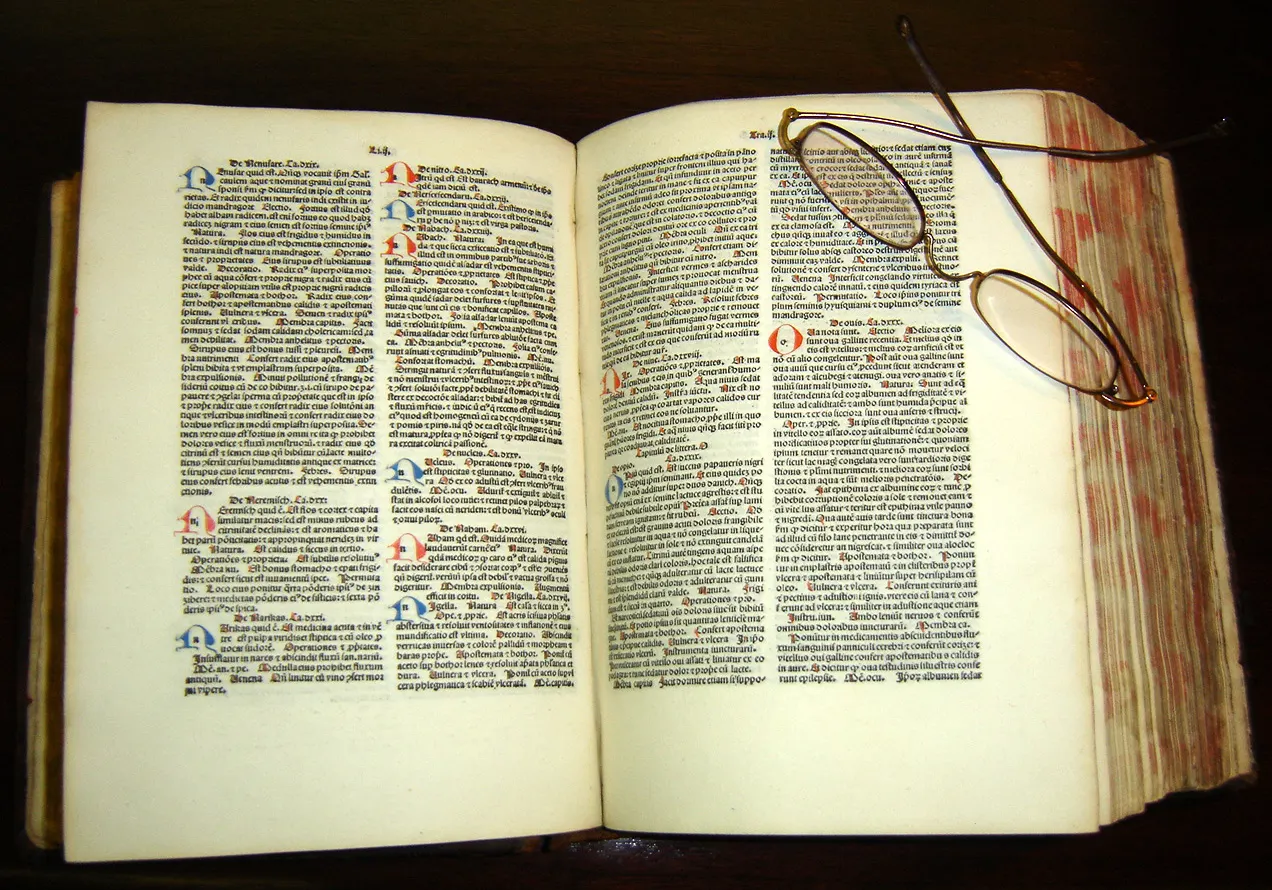
During the Islamic Golden Age (8th-15th centuries CE), Muslim scholars made groundbreaking contributions to human knowledge that fundamentally shaped modern civilization. While Europe languished in the Dark Ages, the Islamic world became the center of learning, innovation, and scientific discovery. Muslim scholars preserved ancient Greek and Roman knowledge, synthesized it with Persian and Indian learning, and made original discoveries that laid the foundations for modern science, medicine, mathematics, and philosophy.
These scholars were not merely translators or preservers of ancient knowledge—they were innovators who developed the scientific method, pioneered experimental approaches, and made discoveries that remained unsurpassed for centuries. Their work in algebra, algorithms, optics, medicine, astronomy, chemistry, and philosophy directly influenced the European Renaissance and continues to impact our world today.
This comprehensive guide explores the lives, achievements, and lasting legacies of the Muslim scholars who changed the world. From Al-Khwarizmi's invention of algebra to Ibn Sina's medical encyclopedia, from Al-Biruni's scientific methodology to Ibn Khaldun's sociology, these scholars demonstrated that the pursuit of knowledge is a fundamental Islamic value and that scientific inquiry serves both human progress and spiritual understanding.
Understanding these scholars' contributions challenges common misconceptions about Islamic civilization and reveals the profound debt modern science owes to the Islamic Golden Age. Their stories inspire Muslims and non-Muslims alike, demonstrating humanity's capacity for intellectual achievement when knowledge is valued, diversity is embraced, and inquiry is encouraged.
Mathematics and Astronomy: Measuring the Universe
Muhammad ibn Musa al-Khwarizmi (780-850 CE): The Father of Algebra
Al-Khwarizmi, working at Baghdad's House of Wisdom, made contributions so fundamental that two English words derive from his work: "algebra" (from his book title "al-jabr") and "algorithm" (from his name).
His contributions ranged across several fields. In algebra, his book "Al-Kitab al-Mukhtasar fi Hisab al-Jabr wal-Muqabala" (The Compendious Book on Calculation by Completion and Balancing) introduced systematic methods for solving linear and quadratic equations, developing algebraic notation and methods that transformed mathematics from arithmetic to abstract reasoning. He introduced Hindu-Arabic numerals to the Islamic world and Europe, replacing cumbersome Roman numerals, and his systematic procedures for calculations became the foundation for computer algorithms centuries later. In trigonometry he produced detailed trigonometric tables and developed methods for calculating sine, cosine, and tangent functions, essential for astronomy and navigation, while in geography his world map and geographical coordinates influenced cartography for centuries and he calculated Earth's circumference with considerable accuracy.
Al-Khwarizmi's work was translated into Latin in the 12th century, becoming a standard mathematical textbook in European universities for centuries. Modern mathematics, computer science, and engineering are built on his foundations.
Abu Rayhan al-Biruni (973-1048 CE): The First Anthropologist
Al-Biruni was a polymath whose intellectual range was extraordinary even by Islamic Golden Age standards. He wrote over 140 works on mathematics, astronomy, geography, history, and anthropology.
In astronomy, Al-Biruni calculated Earth's radius using trigonometry and observations from a mountain, achieving accuracy within 1% of modern measurements, and he discussed the possibility of Earth rotating on its axis some 600 years before Galileo. In mathematics he developed advanced trigonometric functions and calculated pi to a high degree of accuracy, and his work on mathematical geography laid foundations for geodesy. His book "Tahqiq ma li'l-Hind" (Investigation of India) is considered an early anthropological study: he learned Sanskrit, studied Indian culture on its own terms, and compared Islamic and Hindu philosophies with unusual detachment for his time. He insisted on empirical observation, experimental verification, and mathematical proof, questioning accepted theories and demanding evidence in a manner that anticipated later scientific methodology. In geology he recognized, on the basis of fossil evidence, that the Indian subcontinent had once been a sea—an early understanding of geological time and change.
Al-Biruni exemplified the Islamic Golden Age's intellectual openness and scientific rigor. His methodology influenced later scientists, and his anthropological approach was well ahead of its time.
Omar Khayyam (1048-1131 CE): Mathematician and Poet
Known in the West primarily for his poetry (the Rubaiyat), Omar Khayyam was also an accomplished mathematician and astronomer.
In mathematics, Khayyam wrote "Treatise on Demonstration of Problems of Algebra," providing geometric solutions to cubic equations and developing a classification of cubic equations and their solutions. He made contributions to the theory of parallels, attempting to prove Euclid's parallel postulate, and his work anticipated non-Euclidean geometry by some 750 years. He also developed methods for extracting roots of any degree and worked on binomial expansions, anticipating later European developments. In astronomy, Khayyam led a team that reformed the Persian calendar, creating a solar calendar more accurate than the Gregorian calendar introduced 500 years later, with an error of only one day in 5,000 years, and he directed the Isfahan Observatory, making precise astronomical observations and producing star tables.
Khayyam's career shows that scientific work and artistic creativity could coexist in a single figure. His mathematical work influenced later Islamic and European mathematicians, while his poetry continues to be read worldwide.
Nasir al-Din al-Tusi (1201-1274 CE): Astronomer and Mathematician
Al-Tusi made important contributions to astronomy and mathematics that influenced Copernicus and the later Scientific Revolution.
In astronomy, he invented a mathematical device known as the Tusi couple, which could generate linear motion from circular motions; this innovation solved problems in Ptolemaic astronomy and was later used by Copernicus in his heliocentric model. Al-Tusi established and directed the Maragha Observatory in Persia, one of the most advanced astronomical facilities of its time, where his team made precise observations and developed new astronomical models, including more accurate models of planetary motion that questioned Ptolemaic astronomy and paved the way for later astronomical developments. In mathematics, his "Treatise on the Quadrilateral" established trigonometry as an independent discipline, separate from astronomy; he developed spherical trigonometry and proved numerous theorems, and his work on parallel lines anticipated non-Euclidean geometry, though he did not fully develop the concept.
Al-Tusi's astronomical models and mathematical innovations influenced Copernicus, who used the Tusi couple without attribution. His work represents a high point of Islamic Golden Age astronomy.
Medicine and Surgery: Healing the Body
Abu Bakr Muhammad ibn Zakariya al-Razi (Rhazes) (854-925 CE): The Father of Pediatrics
Al-Razi was among the Islamic world's most prominent physicians and one of the most influential medical figures of his era.
His medical innovations were wide-ranging. He advanced clinical observation and case studies, keeping detailed patient records that noted symptoms, treatments, and outcomes. His book "Al-Judari wa al-Hasbah" (On Smallpox and Measles) was the first to distinguish between these diseases; it remained the standard text on the subject for centuries and was translated into Latin, Greek, and modern European languages. He wrote extensively on children's diseases, earning him recognition as a father of pediatrics, and understood that children required different treatments than adults. He emphasized compassionate patient care, medical ethics, and the physician's responsibility to all patients regardless of wealth or status. He also conducted experiments on animals before applying treatments to humans, an early form of experimental medicine and pharmaceutical testing, and classified substances into minerals, vegetables, and animals while developing chemical processes for producing medicines, so that his work bridged medicine and chemistry.
His major works include "Al-Hawi" (The Comprehensive Book), a 23-volume medical encyclopedia covering all the medical knowledge then known, translated into Latin as "Liber Continens" and used in European medical schools for centuries; and "Al-Mansuri" (Liber Almansoris), a ten-volume medical textbook covering anatomy, physiology, pathology, and therapy, which became a standard text in European universities.
Al-Razi's emphasis on clinical observation, experimental verification, and detailed record-keeping helped establish foundations for later medicine. His works were used in European medical education until the 17th century.
Abu Ali al-Husayn ibn Sina (Avicenna) (980-1037 CE): The Prince of Physicians
Ibn Sina was a polymath whose medical encyclopedia remained the standard medical textbook in Europe and the Islamic world for over 600 years.
His medical masterpiece was "Al-Qanun fi al-Tibb" (The Canon of Medicine), a five-volume encyclopedia that systematized the medical knowledge of the time. It covered the general principles of medicine; simple drugs and their properties; diseases affecting specific parts of the body; diseases affecting the whole body; and compound medicines and pharmacology. The Canon introduced systematic experimentation and quantification into medicine, establishing protocols for testing new drugs that anticipated modern clinical trials. It was translated into Latin in the 12th century and remained the primary medical textbook in European universities until the 17th century.
Ibn Sina's medical discoveries were numerous. He recognized that diseases could spread through water and soil, an understanding of contagion that predated germ theory by centuries, and he recommended isolating patients with contagious diseases, establishing the principle of quarantine. He described over 760 drugs and their effects, helping to establish pharmacology as a discipline. He also recognized the connection between psychological and physical health, an early form of psychosomatic medicine, using pulse diagnosis to detect emotional states, and he made detailed observations of human anatomy and physiological processes, though these were limited by religious prohibitions on dissection.
Beyond medicine, Ibn Sina was a major philosopher who synthesized Aristotelian philosophy with Islamic theology. His philosophical works influenced both Islamic and European thought, particularly Thomas Aquinas and medieval scholasticism.
Legacy: Ibn Sina's Canon remained the most influential medical text for over 600 years. His systematic approach, emphasis on experimentation, and integration of theory with practice established standards for medical education and practice that persist today.
Ibn al-Nafis (1213-1288 CE): Discoverer of Pulmonary Circulation
Ibn al-Nafis made one of medicine's most important discoveries: pulmonary circulation, 300 years before it was "discovered" in Europe.
Revolutionary Discovery:
Pulmonary Circulation: In his commentary on Ibn Sina's Canon, Ibn al-Nafis correctly described how blood circulates from the right ventricle of the heart through the lungs, where it is oxygenated, and then to the left ventricle. This contradicted Galen's theory (accepted for 1,400 years) that blood passed directly between the heart's ventricles through invisible pores.
Ibn al-Nafis wrote: "The blood from the right chamber of the heart must arrive at the left chamber but there is no direct pathway between them. The thick septum of the heart is not perforated and does not have visible pores as some people thought or invisible pores as Galen thought. The blood from the right chamber must flow through the vena arteriosa (pulmonary artery) to the lungs, spread through its substances, be mingled there with air, pass through the arteria venosa (pulmonary vein) to reach the left chamber of the heart and there form the vital spirit."
Beyond this, Ibn al-Nafis described the coronary circulation that supplies blood to the heart muscle itself, made detailed anatomical observations (though he claimed not to practise dissection because of religious and legal restrictions), and wrote extensively on eye diseases and their treatments.
Ibn al-Nafis's discovery of pulmonary circulation was forgotten in the Islamic world and unknown in Europe until his manuscripts were rediscovered in the 20th century. William Harvey, credited with discovering circulation in 1628, may have been influenced by Ibn al-Nafis's work through Latin translations, though this remains debated.
Al-Zahrawi (Albucasis) (936-1013 CE): The Father of Surgery
Al-Zahrawi was the Islamic world's greatest surgeon, whose surgical encyclopedia remained Europe's primary surgical textbook for 500 years.
His 30-volume medical encyclopedia "Al-Tasrif" (The Method of Medicine) transformed the practice of surgery. Its surgical section provided detailed descriptions of over 200 surgical instruments, many of his own invention; surgical procedures set out with step-by-step instructions; illustrations of instruments and techniques; and treatments for wounds, fractures, and dislocations. Among the instruments he invented, several remain in use in recognisable form today, including surgical scalpels and scissors, bone saws, forceps and retractors, surgical needles and sutures, lithotomy instruments for removing bladder stones, and obstetrical forceps.
His surgical techniques were equally influential. He developed sophisticated cauterization methods for controlling bleeding and treating wounds, and used catgut for internal sutures, recognising that it would be absorbed by the body—a technique still used today. In obstetrics he invented forceps for difficult deliveries and described procedures for removing dead fetuses; in dentistry he described tooth extraction, the treatment of jaw fractures, and dental prosthetics; and he performed cosmetic procedures including the correction of nasal deformities and the treatment of facial injuries.
Al-Zahrawi's "Al-Tasrif" was translated into Latin and became the standard surgical textbook in European medical schools from the 12th to 17th centuries. His instruments and techniques laid foundations for modern surgery.
Philosophy and Theology: Understanding Existence
Al-Farabi (872-950 CE): The Second Teacher
Al-Farabi earned the title "The Second Teacher" (after Aristotle) for his philosophical contributions that bridged Greek philosophy and Islamic thought.
Philosophical Contributions:
Political Philosophy: Al-Farabi's "Al-Madina al-Fadila" (The Virtuous City) described an ideal Islamic state governed by philosopher-kings who combine intellectual excellence with spiritual wisdom. This work influenced both Islamic political thought and European philosophy.
Metaphysics: He developed a comprehensive metaphysical system explaining existence, causation, and the relationship between God and creation. His concept of emanation explained how the perfect, unchanging divine creates the imperfect, changing world.
Logic: Al-Farabi wrote extensive commentaries on Aristotelian logic, making it accessible to Islamic scholars. He developed logical methods for philosophical and theological inquiry.
Music Theory: He wrote "Kitab al-Musiqa al-Kabir" (The Great Book of Music), a comprehensive treatise on music theory that influenced both Islamic and European music.
Classification of Sciences: Al-Farabi systematically classified all sciences, establishing their relationships and methodologies. This classification influenced how knowledge was organized in Islamic and European universities.
Legacy: Al-Farabi's synthesis of Greek philosophy with Islamic theology created a philosophical tradition that influenced later Islamic philosophers (Ibn Sina, Ibn Rushd) and European scholastics (Thomas Aquinas, Albertus Magnus).
Al-Ghazali (1058-1111 CE): The Proof of Islam
Al-Ghazali was one of Islam's most influential theologians and philosophers, whose work revitalized Islamic spirituality and challenged rationalist philosophy.
Major Works:
"Tahafut al-Falasifa" (The Incoherence of the Philosophers): This work critiqued rationalist philosophy, particularly Aristotelian metaphysics as interpreted by Al-Farabi and Ibn Sina. Al-Ghazali argued that reason alone cannot grasp ultimate reality and that spiritual experience and revelation are necessary for true knowledge.
"Ihya Ulum al-Din" (The Revival of the Religious Sciences): This massive work (40 books) revitalized Islamic spirituality by integrating orthodox theology with Sufi mysticism. It covered theology, ethics, spirituality, and practical religious guidance, becoming one of Islam's most influential books.
Philosophical Contributions:
Occasionalism: Al-Ghazali developed the theory that God is the only true cause of events, with apparent natural causation being merely habitual divine action. This challenged deterministic philosophy and emphasized divine sovereignty.
Skepticism: He employed systematic doubt (similar to Descartes 500 years later) to question all knowledge, concluding that certainty comes only through divine illumination.
Ethics: Al-Ghazali developed a comprehensive ethical system based on purifying the soul and cultivating virtues, integrating philosophical ethics with Islamic spirituality.
Legacy: Al-Ghazali's work shaped Islamic theology and spirituality for centuries. His critique of rationalist philosophy influenced the direction of Islamic thought, while his spiritual teachings continue to inspire Muslims worldwide. His methodology influenced later European philosophers, including Descartes.
Ibn Rushd (Averroes) (1126-1198 CE): The Commentator
Ibn Rushd, known in Europe as Averroes, was the last great philosopher of Islamic Spain and one of history's most influential philosophers.
Philosophical Achievements:
Aristotelian Commentaries: Ibn Rushd wrote extensive commentaries on Aristotle's works, earning him the title "The Commentator" in medieval Europe. His commentaries were so influential that Aristotle was studied through Ibn Rushd's interpretations in European universities for centuries.
"Tahafut al-Tahafut" (The Incoherence of the Incoherence): This work responded to Al-Ghazali's critique of philosophy, defending rationalism and arguing that reason and revelation are compatible. Ibn Rushd maintained that philosophical truth and religious truth cannot contradict each other, as both come from God.
Theory of Double Truth: Ibn Rushd developed the concept that philosophical and religious truths are different expressions of the same ultimate truth, accessible through different methods (reason vs. revelation). This influenced medieval European debates about faith and reason.
Political Philosophy: His commentary on Plato's Republic discussed ideal governance, the role of religion in society, and the relationship between philosophy and politics.
Medical Contributions: Ibn Rushd wrote "Kitab al-Kulyat fi al-Tibb" (General Principles of Medicine), a medical encyclopedia that was translated into Latin as "Colliget" and used in European medical schools.
Legacy: Ibn Rushd's influence on European thought was enormous. His commentaries on Aristotle shaped medieval scholasticism, influencing Thomas Aquinas and other Christian philosophers. His defense of rationalism and his attempts to reconcile reason with faith influenced European intellectual development. Ironically, his influence was greater in Christian Europe than in the Islamic world, where Al-Ghazali's critique of rationalist philosophy had more lasting impact.
History and Geography: Recording Human Experience
Ibn Khaldun (1332-1406 CE): The Father of Sociology
Ibn Khaldun was a historian and philosopher whose work anticipated modern sociology, economics, and historiography by centuries.
His major work, "Al-Muqaddimah" (The Introduction), served as the introduction to his universal history but became more famous than the history itself, presenting a theory of history and society that anticipated modern social sciences.
At its centre was the idea of asabiyyah, or social cohesion, which Ibn Khaldun identified as a fundamental force driving historical change. He analyzed how groups with strong asabiyyah (tribal solidarity, group feeling) could conquer civilizations but lost their cohesion as they became urbanized and wealthy, leading to their eventual decline. From this he drew a cyclical theory of history, proposing that dynasties and civilizations follow recurring cycles: rise through strong asabiyyah, a peak of power and culture, decline through luxury and loss of cohesion, and fall to new groups with stronger asabiyyah, a cycle typically spanning three generations, or about 120 years.
He also developed economic theories that were unusually sophisticated for his time, holding that supply and demand determine prices, that labor is the source of value, that government taxation affects economic productivity, that population size relates to economic prosperity, and that the division of labor increases productivity. In historiography, he criticized historians for accepting stories uncritically and established principles for evaluating historical sources, emphasizing an understanding of underlying social and economic forces rather than the mere recording of events. He further analyzed the differences between nomadic or rural and urban societies, explaining how each develops distinct characteristics and how the two interact.
Ibn Khaldun's work was largely unknown in Europe until the 19th century, when it was recognized as anticipating sociology, economics, and modern historiography. His insights into social dynamics, economic forces, and historical patterns remain relevant today. He is considered a founder of sociology, demography, and historiography.
Ibn Battuta (1304-1368/1369 CE): The Greatest Medieval Traveler
Ibn Battuta traveled over 75,000 miles across the Islamic world and beyond, documenting his observations in one of history's most important travel accounts.
Epic Journey:
Over some 30 years, Ibn Battuta visited North Africa and Egypt, Arabia and the Holy Cities, East Africa as far as present-day Tanzania, Anatolia and Central Asia, India (where he served as a judge), Southeast Asia and China, and West Africa, including the Mali Empire.
His travel account, the "Rihla" (The Journey), dictated to Ibn Juzayy, provides valuable information about 14th-century Islamic civilization, describing political systems and rulers, social customs and daily life, economic activities and trade, religious practices and institutions, and the geography and natural resources of the lands he passed through.
Ibn Battuta's observations are often the only contemporary accounts of many regions and events. His descriptions of the Mali Empire, for example, provide crucial information about West African Islamic civilization.
Legacy: Ibn Battuta's travels exceeded even Marco Polo's in distance and scope. His account is an invaluable historical source and demonstrates the Islamic world's interconnectedness in the medieval period.
Engineering and Innovation
Ismail al-Jazari (1136-1206 CE): The Father of Robotics
Al-Jazari was a mechanical engineer whose inventions were centuries ahead of his time, earning him recognition as the father of robotics and modern engineering.
Masterwork:
His masterwork, "The Book of Knowledge of Ingenious Mechanical Devices," was an illustrated manuscript describing 100 mechanical devices, among them automata or self-operating machines, water clocks, fountains and water-raising machines, musical automata, and combination locks.
Several of his inventions were well ahead of their time. He created programmable humanoid automata, including a robot band that played music on a boat, automated servants that served drinks, and hand-washing automata that dispensed water and towels; these devices used programmable pegs and cams, anticipating aspects of computer programming by centuries. He is credited with the crankshaft, one of the most consequential mechanical inventions in history, a device that converts rotary motion to linear motion and back and later became fundamental to engines and machinery. He developed segmental gears and gear trains, advancing mechanical engineering; his elaborate water clocks were among the most sophisticated timekeeping devices of their era, featuring automata that marked the hours and displayed astronomical information; and he invented various pumps for raising water, including double-action piston pumps and suction pumps that influenced later European designs. His work as a whole shows a firm grasp of mechanical principles, a sophisticated use of gears, cams, and levers, an integration of form and function, and attention to aesthetic design alongside functionality.
Al-Jazari's inventions influenced European Renaissance engineers. His crankshaft became fundamental to the Industrial Revolution. His programmable automata anticipated robotics and computer programming. He is recognized as one of history's greatest mechanical engineers.
Abbas Ibn Firnas (810-887 CE): Aviation Pioneer
Ibn Firnas was a polymath who made the first documented attempt at controlled flight, over 1,000 years before the Wright Brothers.
Flight Attempt: In 875 CE, at age 65, Ibn Firnas constructed a flying machine with silk wings and attempted to fly from a mountain near Cordoba. He glided for several minutes before crash-landing, injuring his back. He realized afterward that he needed a tail for stability—a correct aerodynamic insight.
Beyond his flight experiment, Ibn Firnas developed a water clock (Al-Maqata), created a planetarium that simulated the night sky, devised techniques for cutting rock crystal, and studied astronomy, making his own observations.
Ibn Firnas's flight attempt demonstrated scientific curiosity and experimental courage. While unsuccessful, it showed understanding of aerodynamic principles and inspired later aviation pioneers. A crater on the Moon and an airport in Baghdad are named in his honor.
Banu Musa Brothers (9th Century CE): Engineering Innovators
The three Banu Musa brothers—Muhammad, Ahmad, and al-Hasan—were mathematicians and engineers at Baghdad's House of Wisdom.
Their "Book of Ingenious Devices" described 100 mechanical devices, including automatic fountains, self-filling lamps, trick vessels, musical instruments, and mechanical toys. In the course of this work they developed feedback control systems, or automatic control mechanisms, created self-operating machines, advanced the understanding of pneumatics and hydraulics, and contributed to geometry and mathematics.
The Banu Musa brothers' work influenced later Islamic engineers like Al-Jazari and European Renaissance engineers. Their feedback control systems anticipated modern automation.
Chemistry and Optics: Understanding Matter and Light
Jabir ibn Hayyan (Geber) (721-815 CE): The Father of Chemistry
Jabir ibn Hayyan transformed alchemy into a systematic science, laying foundations for modern chemistry.
Chemical Innovations:
Experimental Method: Jabir emphasized systematic experimentation, careful observation, and recording of results—establishing the scientific method in chemistry.
He developed numerous laboratory techniques still used today, including distillation, crystallization, sublimation, evaporation, and filtration. He discovered or refined a range of chemical processes, among them the production of sulfuric and nitric acid, the preparation of various chemical compounds, the purification of metals, and dyeing and tanning processes. He also developed theories about chemical composition and transformation, classifying substances into metals, non-metals, and compounds, describing chemical reactions, and formulating an early concept of chemical affinity.
Jabir wrote over 100 works on chemistry, alchemy, astronomy, and philosophy. His books were translated into Latin and used in European universities for centuries.
Legacy: Jabir transformed alchemy from mystical practice to systematic science. His experimental methods, laboratory techniques, and chemical discoveries laid foundations for modern chemistry. The word "gibberish" may derive from his name, as his works seemed incomprehensible to those lacking chemical knowledge.
Ibn al-Haytham (Alhazen) (965-1040 CE): The Father of Optics
Ibn al-Haytham made groundbreaking contributions to optics, physics, mathematics, and scientific methodology that influenced the Scientific Revolution.
Revolutionary Work:
"Kitab al-Manazir" (Book of Optics): This seven-volume work revolutionized understanding of light and vision. It was translated into Latin as "De Aspectibus" and became the foundation for European optics.
Theory of Vision: Ibn al-Haytham proved that vision occurs when light reflects from objects into the eye, overturning the ancient Greek theory that eyes emit light. This was a revolutionary insight based on experimental evidence.
His optical discoveries were extensive: he explained how lenses work, described the eye's anatomy and function, explained refraction and reflection, studied atmospheric refraction, analyzed the camera obscura or pinhole camera, and investigated magnification and optical illusions. He also advanced an approach to inquiry that anticipated the modern scientific method, combining systematic observation, controlled experiments, mathematical analysis, hypothesis testing, and critical examination of results.
He wrote: "The duty of the man who investigates the writings of scientists, if learning the truth is his goal, is to make himself an enemy of all that he reads, and... attack it from every side. He should also suspect himself as he performs his critical examination of it, so that he may avoid falling into either prejudice or leniency."
In mathematics he solved what became known as "Alhazen's problem"—finding the point of reflection on a curved mirror—contributed to number theory and geometry, and developed mathematical methods for analyzing optical phenomena.
Ibn al-Haytham's work influenced European scientists including Roger Bacon, Johannes Kepler, and Isaac Newton. His scientific methodology anticipated aspects of the Scientific Revolution by some 600 years, and he is regarded as a founder of modern optics and one of the earliest experimental scientists.
Women Scholars: Breaking Barriers
Fatima al-Fihri (800-880 CE): Founder of the World's Oldest University
Fatima al-Fihri founded the University of Al-Qarawiyyin in Fez, Morocco, in 859 CE, which the Guinness Book of World Records recognizes as the world's oldest continuously operating university.
Achievement: Using her inheritance, Fatima established a mosque with an associated madrasa (school) that evolved into a full university. Al-Qarawiyyin became a leading center of learning, attracting scholars from across the Islamic world and Europe.
Curriculum: The university taught Islamic sciences, mathematics, astronomy, medicine, chemistry, history, geography, and languages. It preserved and transmitted knowledge during the medieval period.
Legacy: Al-Qarawiyyin educated numerous influential scholars, including Ibn Rushd (Averroes), Ibn Khaldun, and Pope Sylvester II. It demonstrated women's capacity for intellectual leadership and philanthropy. The university continues operating today, over 1,160 years later.
Sutayta al-Mahmali (10th-11th Century CE): Mathematician and Scholar
Sutayta was a renowned mathematician and scholar in Baghdad during the Islamic Golden Age.
She mastered mathematics, literature, and Islamic jurisprudence, solved complex mathematical problems, taught students and issued legal opinions (fatwas), and was consulted by male scholars who respected her learning.
Sutayta demonstrated that women could achieve the highest levels of scholarship in multiple fields. Her expertise in mathematics was particularly notable in an era when few people, regardless of gender, mastered advanced mathematics.
Lubna of Cordoba (10th Century CE): Royal Secretary and Scholar
Lubna of Córdoba served as royal secretary and librarian to Caliph al-Hakam II in Cordoba, Spain.
She managed the royal library, which held some 400,000 volumes, copied and preserved manuscripts, mastered mathematics, grammar, and poetry, served as the caliph's personal secretary, and travelled to acquire rare books for the library.
Lubna held one of the most important intellectual positions in medieval Europe, demonstrating women's capacity for scholarly and administrative leadership.
Rufaida al-Aslamia (7th Century CE): The First Muslim Nurse
Rufaida al-Aslamia was a contemporary of Prophet Muhammad ﷺ and is considered the first Muslim nurse and the first female surgeon in Islamic history.
She established what is described as the first field hospital in Islamic history, treated wounded soldiers during battles, trained other women in nursing and medical care, provided care to the poor, and pioneered mobile medical care.
Rufaida established nursing as a respected profession for Muslim women. Her work demonstrated that women could serve in medical fields and contribute to public health.
Other Notable Women Scholars
Maryam al-Ijliya (10th Century CE): Astrolabe maker in Aleppo, Syria, demonstrating women's participation in scientific instrument making.
Zainab bint al-Kamal (1218-1339 CE): Hadith scholar who taught prominent male scholars, including Ibn Hajar al-Asqalani.
Shuhda al-Katiba (1089-1178 CE): Calligrapher and hadith scholar in Baghdad, known as "the pride of women."
Significance: These women scholars demonstrate that Islamic civilization provided opportunities for women's intellectual development and that women made significant contributions to Islamic scholarship, science, and culture.
Legacy and Impact: Shaping Modern Civilization
The Translation Movement
Muslim scholars' contributions reached Europe primarily through the Translation Movement of the 12th-13th centuries, when Arabic scientific and philosophical works were translated into Latin in Spain and Sicily.
Translation was concentrated in a few centres. After the Christian conquest, Toledo in Spain became a major translation centre where Muslim, Christian, and Jewish scholars collaborated; in Sicily, Norman rulers patronized the translation of Arabic works; and contact through the Crusader States led to further knowledge transfer. The effect on Europe was considerable: Arabic numerals replaced Roman numerals, algebra and trigonometry entered European mathematics, Islamic medical knowledge reshaped European medicine, philosophical works influenced scholasticism, and Islamic scientific methodology fed into the Scientific Revolution.
Influence on the Renaissance and Scientific Revolution
Islamic scholars' work directly influenced European intellectual development:
Mathematics: Al-Khwarizmi's algebra and algorithms became foundations for European mathematics and eventually computer science.
Medicine: Ibn Sina's Canon and Al-Razi's medical encyclopedias were standard textbooks in European medical schools for centuries.
Astronomy: Islamic astronomical observations and instruments (astrolabe, quadrant) advanced European astronomy.
Optics: Ibn al-Haytham's work influenced Kepler, Galileo, and Newton.
Philosophy: Ibn Rushd's commentaries on Aristotle shaped medieval European philosophy and theology.
Scientific Method: Islamic scholars' emphasis on observation, experimentation, and mathematical analysis influenced the Scientific Revolution.
Preservation of Classical Knowledge
Muslim scholars preserved Greek, Roman, Persian, and Indian knowledge that might otherwise have been lost:
Translation into Arabic: Works by Aristotle, Plato, Euclid, Ptolemy, Galen, and others were translated into Arabic, preserved, and studied.
Commentary and Improvement: Muslim scholars didn't merely preserve but improved upon ancient knowledge, correcting errors and making new discoveries.
Transmission to Europe: When Europe emerged from the Dark Ages, Islamic civilization provided the classical knowledge that fueled the Renaissance.
Historians and Geographers: Recording and Mapping the World
Islamic historians and geographers made fundamental contributions to understanding human history and Earth's geography, developing methodologies and creating works that preserved knowledge and shaped how later civilizations understood the past and the world.
Al-Tabari (839-923 CE): The Comprehensive Historian
Abu Ja'far Muhammad ibn Jarir al-Tabari was one of Islam's greatest historians and Quranic commentators. His comprehensive approach to history and his systematic methodology influenced Islamic historiography for centuries.
Historical Achievements:
Tarikh al-Rusul wa'l-Muluk (History of the Prophets and Kings): Al-Tabari's monumental universal history covered human history from creation to his own time. This massive work, spanning thousands of pages, provided detailed accounts of prophets, pre-Islamic civilizations, the life of Prophet Muhammad ﷺ, and Islamic history through the early Abbasid period. His methodology involved collecting multiple accounts of events, presenting different versions, and allowing readers to evaluate the evidence—an approach that anticipated modern historical criticism.
Quranic Commentary: His Tafsir al-Tabari (Commentary on the Quran) became one of the most authoritative Quranic commentaries in Islamic tradition. He compiled interpretations from earlier scholars, analyzed linguistic issues, and provided historical context for Quranic verses. This work demonstrated how historical knowledge and religious scholarship could complement each other.
Methodology: Al-Tabari emphasized the importance of chains of transmission (isnad) for historical reports, applying Hadith criticism methods to historical sources. He distinguished between reliable and unreliable narrators, evaluated contradictory accounts, and acknowledged when certainty was impossible. This critical approach to sources represented sophisticated historical methodology.
Legacy: Al-Tabari's works became foundational texts for Islamic historiography. Later historians built upon his work, and his methodology influenced how Muslims understood their history. His comprehensive approach—covering political, social, religious, and cultural history—created a model for later universal histories.
Al-Mas'udi (896-956 CE): The Herodotus of the Arabs
Abu al-Hasan Ali ibn al-Husayn al-Mas'udi was a historian and geographer whose travels across the Islamic world and beyond provided him with firsthand knowledge that enriched his historical and geographical works.
Historical and Geographical Works:
Muruj adh-Dhahab wa Ma'adin al-Jawhar (The Meadows of Gold and Mines of Gems): Al-Mas'udi's most famous work combined history, geography, and cultural observations. Unlike earlier historians who focused primarily on political and military events, Al-Mas'udi included information about customs, beliefs, natural phenomena, and everyday life. This comprehensive history covered world civilizations from creation to his time, including Islamic history and the caliphates, pre-Islamic Arabia and Persia, Byzantine and Roman history, and Indian and Chinese civilizations, as well as geography and natural history. He described lands from Spain to China, including their climate, resources, peoples, and customs.
Travel and Observation: Al-Mas'udi traveled extensively throughout the Islamic world, visiting Persia, India, Ceylon (Sri Lanka), East Africa, and possibly China. His firsthand observations gave his work authenticity and detail that purely library-based historians couldn't achieve. He described peoples, customs, climates, and natural phenomena with the curiosity of a true explorer.
Comprehensive Approach: Al-Mas'udi integrated multiple disciplines in his work—history, geography, natural history, anthropology, and philosophy. He discussed geological phenomena, animal behavior, human societies, and philosophical questions, demonstrating the interconnected nature of knowledge. This holistic approach made his work valuable not only as history but as a window into medieval Islamic intellectual culture.
Influence: Al-Mas'udi influenced later historians and geographers who adopted his comprehensive approach and his emphasis on firsthand observation. His work preserved information about societies and cultures that might otherwise have been lost, making him an invaluable source for understanding the medieval world.
Al-Idrisi (1100-1165 CE): The Mapmaker
Abu Abdullah Muhammad al-Idrisi al-Qurtubi al-Hasani, working at the court of King Roger II of Sicily, created one of the most sophisticated world maps and geographical encyclopedias of the medieval period.
Geographical Achievements:
Tabula Rogeriana (The Book of Roger): Completed in 1154, this work combined a detailed world map with extensive geographical descriptions. Al-Idrisi synthesized information from Greek sources, Arabic geographical works, and contemporary travelers' accounts. His map depicted the known world from the Atlantic Ocean to China, from Scandinavia to Central Africa, with remarkable accuracy for its time.
Methodology: Al-Idrisi didn't rely solely on written sources. He interviewed travelers, merchants, and sailors, gathering firsthand information about distant lands. He used mathematical principles to calculate distances and positions, creating a systematic geographical framework. His descriptions included information about climate, resources, peoples, customs, and trade routes—making his work valuable for both theoretical geography and practical navigation.
Service to Norman Sicily: Working in Roger II's multicultural court, Al-Idrisi demonstrated how Islamic scholarship could flourish in non-Muslim contexts. His work for a Christian king showed that knowledge transcended religious boundaries and that Islamic geographical expertise was valued across civilizations.
Influence on European Cartography: Al-Idrisi's map and geographical descriptions influenced European cartography for centuries. His work was translated into Latin and used by European mapmakers and explorers. The accuracy of his descriptions and the sophistication of his methodology made his work a standard reference until the Age of Exploration.
Legacy: Al-Idrisi represents the Islamic Golden Age's geographical achievements at their peak. His synthesis of diverse sources, his systematic methodology, and his accurate descriptions demonstrated the sophistication of Islamic geography. His work preserved geographical knowledge and transmitted it to Europe, contributing to the later Age of Exploration.
Linguists and Literary Scholars: Masters of Language
Islamic civilization developed sophisticated linguistic sciences, with scholars analyzing Arabic grammar, creating dictionaries, developing literary theory, and producing works that shaped Arabic language and literature for centuries.
Sibawayh (760-796 CE): The Grammarian
Abu Bishr Amr ibn Uthman ibn Qanbar, known as Sibawayh, was a Persian grammarian whose work on Arabic grammar became the foundational text for Arabic linguistic studies.
Linguistic Achievements:
Al-Kitab (The Book): Sibawayh's comprehensive grammar of Arabic, simply titled "The Book," systematically analyzed Arabic phonology, morphology, and syntax. This work, written in the 8th century, remained the standard reference for Arabic grammar for over a millennium. Sibawayh described Arabic grammatical rules with unprecedented precision, creating a systematic framework for understanding the language.
Systematic Analysis: Sibawayh didn't merely list rules; he analyzed the underlying principles of Arabic grammar. He categorized words, explained grammatical relationships, and provided examples from poetry and the Quran. His analytical approach transformed grammar from a practical skill into a theoretical science.
Influence on Arabic Linguistics: All subsequent Arabic grammarians built upon Sibawayh's work. His terminology, categories, and analytical framework became standard in Arabic linguistic studies. His influence extended beyond grammar to influence Arabic literary criticism, Quranic exegesis, and Islamic legal theory—all of which required precise understanding of Arabic language.
Legacy in Language Education: Sibawayh's work established Arabic grammar as a systematic discipline. His methods influenced how Arabic was taught across the Islamic world and continue to influence Arabic language education today. His achievement demonstrated that linguistic analysis could be as sophisticated and systematic as any other science.
Al-Khalil ibn Ahmad (718-786 CE): The Lexicographer
Al-Khalil ibn Ahmad al-Farahidi was a pioneering linguist who created the first Arabic dictionary and developed the science of Arabic prosody (metrics).
Linguistic Innovations:
Kitab al-Ayn (The Book of Ayn): Al-Khalil created the first comprehensive Arabic dictionary, organizing words by their phonetic roots rather than alphabetically. This innovative organization reflected Arabic's morphological structure, where words derive from three-letter roots. His dictionary included definitions, usage examples, and grammatical information, establishing the model for later Arabic lexicography.
Arabic Prosody: Al-Khalil systematically analyzed Arabic poetry's metrical patterns, identifying and classifying the various meters used in classical Arabic verse. His work on prosody (al-'arud) established the theoretical framework for understanding Arabic poetry's rhythmic structure. This achievement required both linguistic expertise and mathematical thinking, as he identified the patterns underlying diverse poetic forms.
Linguistic Theory: Al-Khalil developed theoretical frameworks for understanding language structure. He analyzed phonology, morphology, and syntax, contributing to the development of Arabic linguistic theory. His work influenced not only Arabic studies but also the development of linguistic science more broadly.
Legacy: Al-Khalil's innovations in lexicography and prosody shaped Arabic literary culture. His dictionary became the model for later lexicographical works, and his prosodic system remained the standard for analyzing Arabic poetry. His theoretical approach to language demonstrated that linguistic analysis could be as rigorous and systematic as mathematical or scientific inquiry.
Al-Jahiz (776-868 CE): The Literary Master
Abu Uthman Amr ibn Bahr al-Jahiz was a prolific writer whose literary works, essays, and natural history observations influenced Arabic prose style and demonstrated the breadth of Islamic intellectual culture.
Literary Achievements:
Kitab al-Hayawan (The Book of Animals): This encyclopedic work combined natural history observations with literary anecdotes, philosophical reflections, and social commentary. Al-Jahiz described animal behavior, discussed theories about animal intelligence, and used animals as vehicles for exploring human nature. His work anticipated later developments in natural history while demonstrating literary artistry.
Rhetorical Innovations: Al-Jahiz developed Arabic prose style, moving beyond the ornate, rhymed prose (saj') that dominated earlier writing. He wrote in a clear, engaging style that combined erudition with accessibility. His essays covered diverse topics—politics, theology, social customs, literary criticism—demonstrating the essay form's versatility.
Social and Cultural Commentary: Al-Jahiz's works provide invaluable insights into Abbasid society. He discussed social classes, ethnic groups, professions, and customs with wit and insight. His observations about human nature, social dynamics, and cultural differences demonstrated sophisticated social analysis.
Influence on Arabic Prose: Al-Jahiz's literary style influenced generations of Arabic writers. His combination of learning and entertainment, his clear prose, and his wide-ranging interests established a model for Arabic essay writing. His works remain readable and engaging today, demonstrating literary excellence that transcends time.
Legacy: Al-Jahiz represents the Islamic Golden Age's literary achievements. His works demonstrated that Arabic prose could be both intellectually sophisticated and artistically excellent. His influence on Arabic literature extended across centuries, and his works continue to be studied and appreciated for their literary merit and historical insights.
Legal Scholars and Jurists: Architects of Islamic Law
Islamic legal scholars developed sophisticated jurisprudential systems that governed Muslim societies for centuries. The four major Sunni schools of law (madhahib) were founded by scholars whose methodologies and legal principles shaped Islamic civilization.
The Four Great Imams
Imam Abu Hanifa (699-767 CE): Abu Hanifa al-Nu'man ibn Thabit founded the Hanafi school, the most widely followed Islamic legal school today. His methodology emphasized reason (ra'y) and analogy (qiyas) alongside Quranic and Hadith sources. Abu Hanifa recognized that new situations required legal reasoning beyond simple textual application. His school's flexibility made it suitable for diverse contexts, leading to its adoption across the Ottoman Empire, Central Asia, and South Asia. Abu Hanifa's emphasis on rational analysis and his willingness to use analogical reasoning demonstrated that Islamic law could adapt to changing circumstances while maintaining fidelity to fundamental principles.
Imam Malik (711-795 CE): Malik ibn Anas founded the Maliki school, which emphasized the practice of the people of Medina as a source of law. His "Al-Muwatta" (The Well-Trodden Path) was one of the earliest Hadith collections, organizing prophetic traditions by legal topic. Malik argued that the continuous practice of Medina's Muslim community, descended from the Prophet's companions, preserved authentic Islamic practice. His school became dominant in North Africa, West Africa, and parts of the Arabian Peninsula. Malik's methodology balanced textual sources with living tradition, recognizing that Islamic practice was transmitted not only through texts but through community practice.
Imam al-Shafi'i (767-820 CE): Muhammad ibn Idris al-Shafi'i systematized Islamic legal theory in his groundbreaking work "Al-Risala" (The Treatise). He established a hierarchy of legal sources—Quran, Sunnah, consensus (ijma'), and analogy (qiyas)—and developed principles for their application. Al-Shafi'i's systematization transformed Islamic jurisprudence from a collection of opinions into a coherent legal science with clear methodology. His school became influential in Egypt, East Africa, Southeast Asia, and parts of the Arabian Peninsula. Al-Shafi'i's intellectual achievement lay in creating a unified legal theory that could accommodate diverse opinions while maintaining methodological rigor.
Imam Ahmad ibn Hanbal (780-855 CE): Ahmad ibn Muhammad ibn Hanbal founded the Hanbali school, which emphasized strict adherence to Quranic and Hadith texts. Ibn Hanbal resisted rationalist theology and insisted on textual fidelity, even when this led to persecution during the Mihna (inquisition). His massive Hadith collection, the Musnad, contained over 27,000 traditions. The Hanbali school, though numerically smaller than others, influenced conservative Islamic thought and later reform movements. Ibn Hanbal's emphasis on textual sources and his resistance to speculative theology represented an important strand in Islamic legal thought that valued tradition and textual fidelity.
Collective Legacy: These four scholars created legal frameworks that governed Muslim societies for over a millennium. Their schools weren't rigid systems but living traditions that evolved while maintaining core principles. The existence of multiple valid schools demonstrated Islam's intellectual pluralism—recognizing that sincere scholars could reach different conclusions while all remaining within Islamic orthodoxy. This legal pluralism allowed Islamic law to adapt to diverse cultural contexts while maintaining unity in fundamental principles.
Sufi Masters and Mystics: Explorers of the Spirit
Sufism, Islamic mysticism, produced scholars and saints who explored the spiritual dimensions of Islam, developed sophisticated mystical philosophies, and created literary works of enduring beauty and wisdom.
Rabia al-Adawiyya (717-801 CE): The Saint of Divine Love
Rabia al-Adawiyya was an early female Sufi saint whose emphasis on divine love transformed Islamic spirituality. Born into slavery in Basra, she gained freedom and devoted herself entirely to worship and spiritual development.
Spiritual Teachings: Rabia emphasized loving God for His own sake, not from fear of Hell or desire for Paradise. Her famous prayer expressed this pure devotion: "O Allah! If I worship You for fear of Hell, burn me in Hell, and if I worship You in hope of Paradise, exclude me from Paradise. But if I worship You for Your Own sake, grudge me not Your everlasting Beauty." This teaching elevated Islamic spirituality beyond transactional piety to pure love of the Divine.
Influence on Sufism: Rabia's emphasis on divine love (mahabbah) became central to Sufi thought. Later Sufis built upon her teachings, developing elaborate theories of spiritual love and union with the Divine. Her life demonstrated that women could achieve the highest spiritual stations, challenging gender assumptions about religious authority and spiritual capacity.
Legacy: Rabia remains one of Islam's most beloved saints. Her teachings influenced Sufi poetry, philosophy, and practice across centuries. Her life story inspired countless Muslims to seek deeper spiritual connection with Allah, and her emphasis on love over fear shaped Islamic spirituality's emotional and devotional dimensions.
Jalal al-Din Rumi (1207-1273 CE): The Poet of Divine Love
Mawlana Jalal al-Din Muhammad Rumi was a Persian poet and Sufi master whose poetry expresses universal spiritual truths with unparalleled beauty and depth.
Spiritual Journey: Rumi's life transformed after meeting the wandering dervish Shams al-Din Tabrizi. This encounter awakened Rumi's mystical consciousness and inspired his greatest poetry. After Shams's disappearance, Rumi channeled his spiritual longing into poetry that expressed the soul's yearning for divine union.
Literary Achievement: Rumi's Masnavi, a six-volume spiritual epic containing over 25,000 verses, explores mystical themes through stories, parables, and philosophical reflections. His Divan-e Shams contains lyric poetry of extraordinary beauty expressing divine love, spiritual transformation, and mystical union. Rumi's poetry transcends its historical context, speaking to universal human experiences of love, loss, longing, and transcendence.
Universal Message: While deeply rooted in Islamic spirituality, Rumi's poetry speaks to people across religious and cultural boundaries. His emphasis on love, his celebration of spiritual ecstasy, and his recognition of divine presence in all creation resonate with seekers from all traditions. This universality has made Rumi one of the world's most widely read poets.
Mevlevi Order: Rumi founded the Mevlevi Sufi order, known for its whirling meditation practice (sema). This practice, combining music, poetry, and circular movement, expresses the soul's journey toward divine union. The Mevlevi order preserved and transmitted Rumi's teachings, spreading his influence across the Islamic world and beyond.
Legacy: Rumi's poetry continues to inspire millions worldwide. His works have been translated into numerous languages, and his spiritual insights remain relevant in the contemporary world. Rumi demonstrates that Islamic spirituality can speak to universal human experiences and that mystical poetry can bridge cultural and religious divides.
Characteristics of Islamic Scholarship
Understanding what made Islamic scholarship distinctive helps explain its remarkable achievements and lasting influence.
Integration of Religious and Secular Knowledge: Islamic scholars saw no fundamental contradiction between religious and secular knowledge. They studied mathematics, astronomy, medicine, and philosophy alongside Quranic exegesis and Islamic law. This integration reflected the Islamic view that all knowledge ultimately derives from Allah and that studying the natural world reveals divine wisdom. It also drew on a tradition that treated the pursuit of knowledge as a religious obligation, resting on the report "Seeking knowledge is an obligation upon every Muslim," transmitted in Sunan Ibn Majah 224, whose opening clause the hadith scholars accept on the strength of its multiple corroborating chains. The saying "the ink of the scholar is more sacred than the blood of the martyr," often quoted alongside it, is not a hadith: the narrations to that effect were judged by the hadith critics to rest on weak or fabricated chains, and it is not attributed to the Prophet. The House of Wisdom in Baghdad exemplified this approach, where scholars from different religious backgrounds collaborated on scientific and philosophical projects.
Emphasis on Both Reason and Revelation: Islamic scholarship balanced rational inquiry with revealed knowledge. Scholars used logical reasoning, empirical observation, and mathematical analysis while also studying Quranic and Hadith texts. This balance allowed for scientific progress while maintaining religious grounding. The tension between reason and revelation, rather than being destructive, proved creative, generating sophisticated theological and philosophical discussions.
Systematic Methodology: Islamic scholars developed systematic approaches to knowledge. They created classification systems for sciences, established methodologies for textual criticism, developed experimental procedures, and created educational curricula. This systematization transformed various fields from collections of observations into organized sciences with clear principles and methods.
Comprehensive Approach: Many Islamic scholars pursued knowledge across multiple disciplines. Ibn Sina excelled in medicine, philosophy, mathematics, and astronomy. Al-Biruni contributed to mathematics, astronomy, geography, and anthropology. This interdisciplinary approach fostered innovation and comprehensive understanding, as insights from one field informed work in others.
International and Multicultural Character: Islamic scholarship transcended ethnic and linguistic boundaries. Scholars from Arab, Persian, Turkish, Berber, and other backgrounds contributed to Islamic intellectual culture. Muslims, Christians, Jews, and others collaborated in translation projects and scientific research. This diversity enriched Islamic scholarship and demonstrated that intellectual excellence transcends cultural and religious boundaries.
Patronage and Institutional Support: Caliphs, sultans, and wealthy patrons supported scholars, established libraries, built observatories, and funded research. This institutional support created environments where scholars could devote themselves to research and teaching. The Islamic Golden Age flourished partly because rulers recognized knowledge's value and invested in its pursuit.
Transmission Through Teaching and Writing: Islamic scholars emphasized teaching and writing, ensuring knowledge transmission across generations. The master-student relationship (silsila) created chains of transmission preserving and developing knowledge. Scholars wrote comprehensive works that synthesized existing knowledge while adding original contributions, creating cumulative intellectual traditions.
Balance Between Tradition and Innovation: Islamic scholarship respected traditional knowledge while encouraging innovation. Scholars studied classical texts but weren't bound by them. They questioned authorities, conducted experiments, and made original discoveries. This balance between tradition and innovation allowed Islamic civilization to preserve ancient knowledge while advancing beyond it.
Networks of Knowledge: How Scholars Connected
Islamic scholarship flourished through networks that connected scholars across vast distances and diverse cultures.
Travel and Knowledge-Seeking (Rihlah): Islamic tradition encouraged traveling to seek knowledge. Scholars journeyed across the Islamic world studying with renowned teachers, visiting libraries, and exchanging ideas. Ibn Battuta's travels exemplified this tradition, though his journeys were more extensive than most. This mobility of scholars facilitated knowledge exchange and created a cosmopolitan intellectual culture.
Teacher-Student Relationships: The master-student relationship was central to Islamic education. Students studied with recognized masters, receiving not only knowledge but also authorization (ijazah) to teach that knowledge. These relationships created chains of transmission (isnad) connecting contemporary scholars to earlier authorities, ultimately reaching back to the Prophet Muhammad ﷺ for religious sciences.
Correspondence Between Scholars: Scholars maintained correspondence across distances, exchanging ideas, debating questions, and sharing discoveries. These letters created intellectual networks that transcended geographical boundaries. Scholars in Cordoba corresponded with colleagues in Baghdad, creating a unified intellectual community despite physical separation.
Libraries and Centers of Learning: Major libraries and educational institutions served as gathering places for scholars. The House of Wisdom in Baghdad, Al-Azhar in Cairo, and libraries in Cordoba and other cities provided resources and created communities of scholars. These institutions facilitated collaboration and knowledge exchange.
Role of Courts and Patronage: Royal courts attracted scholars, creating intellectual centers. Rulers competed to attract renowned scholars, offering patronage and resources. This competition benefited scholarship, as scholars could choose patrons and move between courts. Court patronage also connected scholars to power, allowing them to influence policy and society.
Translation and Transmission: The translation movement created networks connecting different linguistic and cultural traditions. Translators worked in teams, often including speakers of multiple languages. This collaborative translation work facilitated knowledge exchange between Greek, Persian, Sanskrit, and Arabic intellectual traditions.
International Character: Islamic scholarship was genuinely international. A scholar born in Persia might study in Baghdad, teach in Cairo, and end his career in Damascus. This mobility created a unified intellectual culture transcending political boundaries. The use of Arabic as a scholarly lingua franca facilitated this international character, allowing scholars from different regions to communicate and collaborate.
Legacy
The achievements of Islamic scholars continued to influence the wider world long after the Islamic Golden Age.
Influence on the European Renaissance: Islamic scholars preserved and transmitted classical knowledge that fueled the European Renaissance. When European scholars began translating Arabic works in the 12th and 13th centuries, they encountered scientific and philosophical knowledge far more advanced than anything available in medieval Europe. This knowledge transfer sparked intellectual revolutions that transformed European civilization.
Endurance of Their Discoveries: Many discoveries made by Islamic scholars remained foundational for centuries. Algebraic methods developed by Al-Khwarizmi underlie modern mathematics and computer science. Medical knowledge compiled by Ibn Sina influenced medicine for centuries. Optical principles discovered by Ibn al-Haytham remain valid. These scholars' work was not merely historically important—it laid foundations for the later development of science and technology.
Modern Recognition
Contemporary scholarship increasingly documents Islamic civilization's contributions:
Academic Recognition: Universities worldwide study Islamic science, philosophy, and culture, recognizing their importance in world history.
Popular Recognition: Books, documentaries, and exhibitions highlight Muslim scholars' achievements.
Conclusion: A Legacy for All Humanity
The Muslim scholars profiled in this guide changed the world through their intellectual courage, scientific rigor, and commitment to knowledge. Their discoveries in mathematics, medicine, astronomy, philosophy, engineering, and other fields laid foundations for modern civilization. They preserved ancient knowledge, made original discoveries, and developed methodologies that influenced the Scientific Revolution and continue to shape our world.
These scholars demonstrated that Islamic civilization was not merely a bridge between ancient and modern knowledge but a creative force that advanced human understanding. They showed that faith and reason can coexist harmoniously, that intellectual inquiry serves both spiritual and practical purposes, and that knowledge transcends cultural and religious boundaries.
Their legacy challenges simplistic narratives about Islamic civilization and reminds us that human progress results from diverse contributions across cultures and eras. In an age of increasing polarization, these scholars' achievements remind us of our shared human capacity for intellectual excellence and our common quest for understanding.
For Muslims, these scholars exemplify Islam's intellectual tradition and demonstrate that scientific inquiry and religious devotion are complementary rather than contradictory. For all humanity, they represent the universal human drive to understand our world and improve the human condition through knowledge.
As we face contemporary challenges—climate change, disease, inequality, conflict—we can draw inspiration from these scholars' intellectual courage, ethical commitment, and collaborative spirit. Their legacy reminds us that knowledge pursued with wisdom and used with compassion can transform the world.
References and Further Reading
Primary Islamic Sources
- Quran, Surah Al-Alaq (96:1–5) — "Read in the name of your Lord who created... Taught man that which he knew not."
- Quran, Surah Az-Zumar (39:9) — "Are those who know equal to those who do not know?"
- Quran, Surah Al-Mujadilah (58:11) — "Allah will raise those who have believed among you and those who were given knowledge, by degrees."
- Sunan Ibn Majah, al-Muqaddimah (Introduction), Hadith 224 — "Seeking knowledge is an obligation upon every Muslim." The opening clause is accepted by the hadith scholars on the strength of its multiple corroborating chains. The report is frequently attributed to Sahih al-Bukhari; that attribution is mistaken.
- Sahih al-Bukhari, Kitab al-Ilm (Book of Knowledge), Hadith 79 — the parable likening the guidance and knowledge the Prophet was sent with to abundant rain falling on different kinds of ground
- Ibn al-Nadim. Kitab al-Fihrist (The Catalogue), comprehensive index of Arabic books and scholars. Leipzig: Flügel, 1871. [Original c. 987 CE]
- Said al-Andalusi. Tabaqat al-Umam (Categories of Nations). Beirut: Dar al-Tali'ah, 1985. [Original c. 1068 CE]
Classical Islamic Sources
- Al-Qifti, Ali ibn Yusuf. Tarikh al-Hukama (History of the Philosophers). Leipzig: Dieterich, 1903. [Original c. 1248 CE]
- Ibn Abi Usaybi'a. Uyun al-Anba fi Tabaqat al-Atibba (Sources of Information on the Classes of Physicians). Beirut: Dar al-Thaqafah, 1965. [Original c. 1270 CE]
- Ibn Khallikan, Ahmad. Wafayat al-A'yan wa Anba Abna al-Zaman (Deaths of the Notable and News of the Children of the Age). Beirut: Dar Sadir, 1970. [Original c. 1274 CE]
- Al-Dhahabi, Shams al-Din. Siyar A'lam al-Nubala (Lives of Noble Figures). Beirut: Mu'assasat al-Risalah, 1981. [Original c. 1348 CE]
Academic and Scholarly Sources
- Saliba, George. Islamic Science and the Making of the European Renaissance. Cambridge: MIT Press, 2007.
- Al-Khalili, Jim. The House of Wisdom: How Arabic Science Saved Ancient Knowledge and Gave Us the Renaissance. New York: Penguin Press, 2011.
- Lyons, Jonathan. The House of Wisdom: How the Arabs Transformed Western Civilization. New York: Bloomsbury Press, 2009.
- Gutas, Dimitri. Greek Thought, Arabic Culture: The Graeco-Arabic Translation Movement in Baghdad and Early Abbasid Society. London: Routledge, 1998.
- Rashed, Roshdi, ed. Encyclopedia of the History of Arabic Science. 3 vols. London: Routledge, 1996.
- Freely, John. Aladdin's Lamp: How Greek Science Came to Europe Through the Islamic World. New York: Knopf, 2009.
- Hogendijk, Jan P., and Abdelhamid I. Sabra, eds. The Enterprise of Science in Islam: New Perspectives. Cambridge: MIT Press, 2003.
Further Reading
- Turner, Howard R. Science in Medieval Islam: An Illustrated Introduction. Austin: University of Texas Press, 1997.
- Hill, Donald R. Islamic Science and Engineering. Edinburgh: Edinburgh University Press, 1993.
- Pormann, Peter E., and Emilie Savage-Smith. Medieval Islamic Medicine. Washington DC: Georgetown University Press, 2007.
- Joseph, George Gheverghese. The Crest of the Peacock: Non-European Roots of Mathematics. 3rd ed. Princeton: Princeton University Press, 2011.
Mentioned In
5 articles reference this topic
More from Islamic Golden Age
Algebra
Algebra takes its name from the Arabic al-jabr, an operation described by al-Khwarizmi in his ninth-century treatise that established the discipline. Building on Babylonian, Greek, and Indian traditions, his framework for solving equations later shaped European science.
Bukhara
Bukhara, known across the Islamic world as Bukhara-i-Sharif (Noble Bukhara), was among the most important cities of Islamic civilization. Capital of the Samanid dynasty and a major Silk Road center, it produced scholars such as Imam al-Bukhari and Ibn Sina.
House of Wisdom
The House of Wisdom (Bayt al-Hikma) was the premier intellectual institution of the Islamic Golden Age, established in Baghdad under the Abbasid caliphs. For over a century it was the world's leading center for translation, research, and scholarship across the sciences.
Islamic Astronomy and Navigation: Mapping the Heavens and Seas
Islamic astronomers revolutionized celestial study during the Golden Age, building observatories, creating astronomical tables, developing instruments like the astrolabe, and making discoveries that transformed navigation and cosmology.