Prophet Yusuf عَلَيْهِ ٱلسَّلَامُ (Joseph)
Known as Yusuf in Arabic, Joseph is one of the most beloved prophets in Islam, his story narrated fully in Surah Yusuf. His life exemplifies patience, forgiveness, and trust in Allah through trials of jealousy, slavery, false accusation, imprisonment, and ultimate triumph in Egypt.
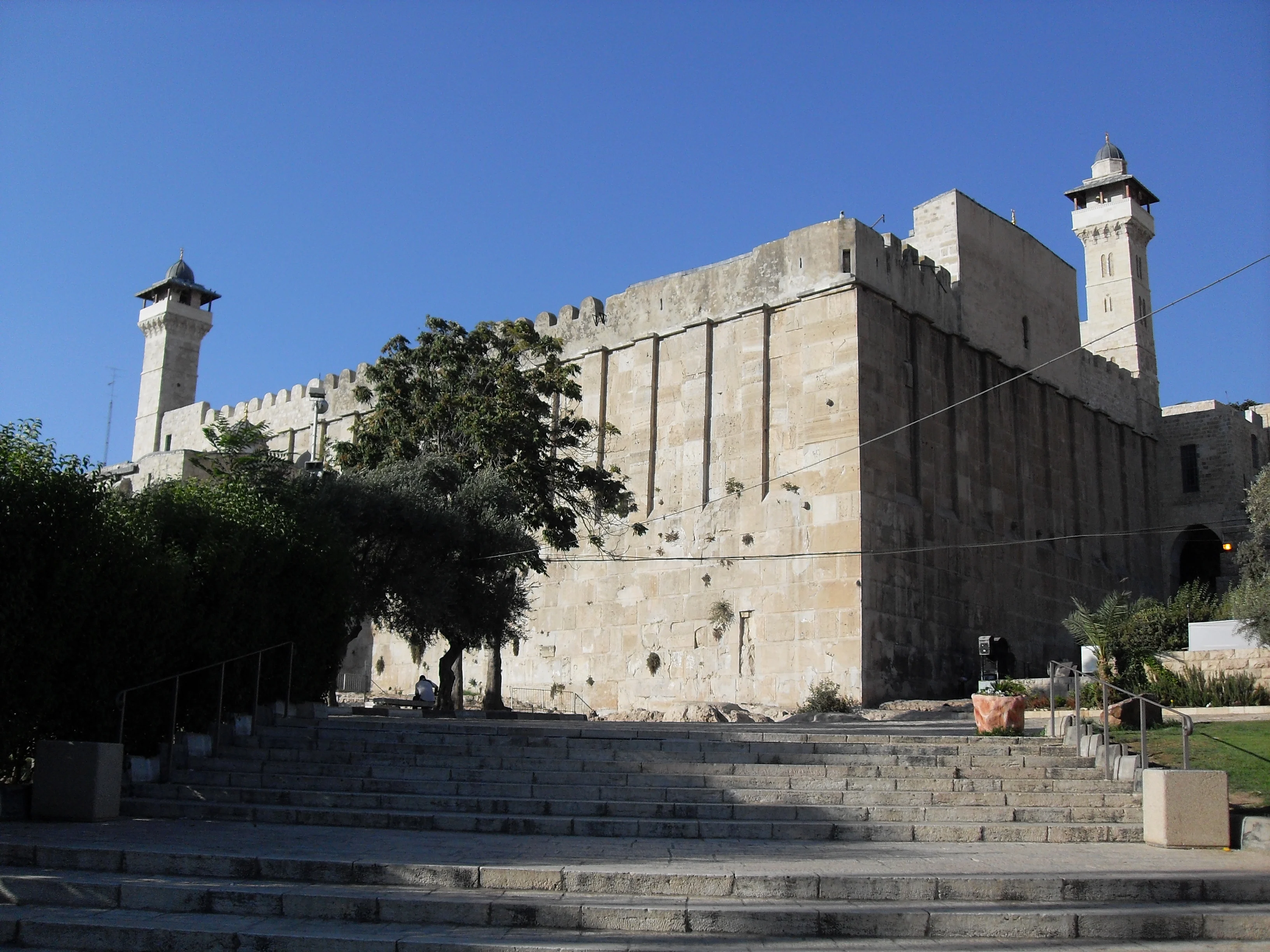
Prophet Joseph (Arabic: يوسف, Yusuf) stands as one of the most beloved and inspiring figures in Islamic tradition, whose complete life story is beautifully narrated in Surah Yusuf (Chapter 12) of the Quran. Known for his extraordinary beauty, prophetic dreams, unwavering patience, and remarkable forgiveness, Joseph's journey from a favored son to a slave, from a prisoner to a powerful ruler of Egypt, represents one of the most compelling narratives of divine providence and human resilience in religious literature.
Family Background and Early Life
Joseph was born into the most distinguished prophetic lineage in history, as the son of Jacob (Yaqub), grandson of Isaac (Ishaq), and great-grandson of Abraham (Ibrahim). This blessed lineage connected Joseph to the covenant Allah made with Abraham, continuing the prophetic tradition through Isaac's line.
The Beloved Son
Joseph held a special place in his father Jacob's heart, which would become both a blessing and a source of trial. The Quran indicates that Jacob's love for Joseph was evident, though it does not specify the exact reasons; Islamic tradition suggests several factors, including Joseph's exceptional character and piety from a young age, his remarkable beauty both physical and spiritual, his resemblance to his ancestor Abraham, and the prophetic qualities that Jacob recognized in him.
Joseph's favoured position created resentment among his brothers. They felt their father loved Joseph more than them and perceived him as a threat to their inheritance. Their jealousy would eventually lead to a plot against Joseph, and this family dynamic would become the catalyst for his trials.
The Prophetic Dream
Joseph's Vision
The story begins with a remarkable dream that Joseph experienced as a young boy: "When Joseph said to his father, 'O my father, indeed I have seen [in a dream] eleven stars and the sun and the moon; I saw them prostrating to me.'" (Quran 12:4)
Jacob immediately recognized the prophetic significance of this dream. He understood that it foretold Joseph's future greatness, warned Joseph not to tell his brothers about it because he knew it would increase their jealousy and hatred, and foresaw that Allah had chosen Joseph for a special mission. Islamic scholars interpret the dream as representing Joseph's eleven brothers by the eleven stars, his father Jacob by the sun, and his mother, or stepmother, by the moon, with their prostration symbolizing their future submission to Joseph's authority.
Jacob's Wisdom
Jacob's advice to Joseph demonstrated prophetic wisdom. In telling him, "Do not relate your vision to your brothers or they will contrive against you a plan" (Quran 12:5), he showed his understanding of human nature and the danger of envy, his recognition of the need for discretion in matters of divine favour, and his desire to protect Joseph from his brothers' jealousy.
The Brothers' Plot
Growing Resentment
The brothers' jealousy intensified over time. They felt Jacob's preferential treatment was unjust, believed they were more deserving of their father's love, saw Joseph and his younger brother Benjamin as obstacles, and let their resentment eventually turn into a dangerous plot.
The Conspiracy
The brothers devised a plan to eliminate Joseph. Their initial proposal was drastic: "Kill Joseph or cast him out to [another] land; the countenance of your father will [then] be only for you, and you will be after that a righteous people." (Quran 12:9) One brother then suggested a less extreme approach: instead of killing Joseph, they would throw him into a well and tell their father that a wolf had devoured him. This would remove Joseph while avoiding direct murder, and they convinced themselves it was a more acceptable solution.
The Deception
The brothers executed their plan with calculated deception. They asked Jacob to let Joseph accompany them, claiming they wanted to play and enjoy themselves and promising to take good care of him. Jacob initially hesitated but eventually agreed. His response revealed his paternal concern: "Indeed it saddens me that you should take him, and I fear that a wolf would eat him while you are of him unaware." (Quran 12:13)
This statement would later be used by the brothers in their false story.
The Well Incident
The Betrayal
When the brothers reached a remote location, they seized Joseph and threw him into a deep well, leaving him there in the belief that he would die and showing no mercy despite his pleas for help. This act marked the beginning of Joseph's trials.
Divine Revelation
Even in this moment of despair, Allah provided comfort to Joseph: "And We revealed to him, 'You will surely inform them [someday] about this affair of theirs while they do not perceive [your identity].'" (Quran 12:15) This revelation gave Joseph hope for eventual vindication, the knowledge that he would survive this ordeal, the assurance that justice would ultimately prevail, and the strength to endure the trials ahead.
The False Story
The brothers returned to their father with a fabricated tale. They claimed a wolf had attacked and killed Joseph, produced a shirt with false blood as "evidence," and feigned grief and sorrow over their "loss," hoping to convince Jacob of their innocence.
Jacob was not deceived by their story: "Rather, your souls have enticed you to something, so patience is most fitting. And Allah is the one sought for help against that which you describe." (Quran 12:18) His response showed his recognition of their deception, his determination to remain patient, his trust in Allah's ultimate justice, and his refusal to accept their false narrative.
Rescue and Slavery
The Caravan
Allah's providence manifested through unexpected means. A caravan travelling to Egypt stopped at the well and sent someone to draw water; the water-drawer discovered Joseph alive in the well and they pulled him out, seeing an opportunity for profit: "And there came a caravan of travelers; then they sent their water drawer, and he let down his bucket. He said, 'Good news! Here is a boy.' And they concealed him, [taking him] as merchandise." (Quran 12:19)
Sale into Slavery
The caravan members decided to sell Joseph, treating him as merchandise rather than a person and selling him for a small price in the Egyptian market. This marked Joseph's entry into Egypt as a slave, and despite the circumstances it was part of Allah's plan. He was bought by a high-ranking Egyptian official: "And the one from Egypt who bought him said to his wife, 'Make his residence comfortable. Perhaps he will benefit us, or we will adopt him as a son.'" (Quran 12:21)
This purchase would prove to be another step in Joseph's journey toward his destined role.
Life in the Egyptian Household
Growing Up in Egypt
In the household of the Egyptian official, traditionally identified as Potiphar, Joseph was treated well and given a comfortable life. He grew from a boy into a handsome young man, demonstrated exceptional character and ability, and gained the trust and respect of his master.
Divine Blessings
Allah blessed Joseph during this period: "And thus We established Joseph in the land that We might teach him the interpretation of events." (Quran 12:21) Joseph received knowledge of dream interpretation, wisdom beyond his years, administrative and leadership skills, and spiritual insight together with prophetic qualities.
The Test of Seduction
As Joseph reached maturity, he faced a severe test when the wife of his master attempted to seduce him: "And she, in whose house he was, sought to seduce him. She closed the doors and said, 'Come, you.'" (Quran 12:23) Joseph's reaction demonstrated his righteousness: "He said, '[I seek] the refuge of Allah. Indeed, he is my master, who has made good my residence. Indeed, wrongdoers will not succeed.'" (Quran 12:23) His refusal was based on fear of Allah and the desire to avoid sin, loyalty to the master who had treated him well, the recognition that wrongdoing never leads to success, and his commitment to moral excellence.
The Attempted Escape
When Joseph tried to flee from the temptation, both he and the woman rushed toward the door, and she tore his shirt from behind in her attempt to stop him. They encountered her husband at the door, which led to a confrontation and false accusations. The woman immediately accused Joseph: "She said, 'What is the recompense of one who intended evil for your wife but that he be imprisoned or a painful punishment?'" (Quran 12:25) Joseph maintained his innocence: "He said, 'It was she who sought to seduce me.'" (Quran 12:26)
Divine Vindication
Allah provided evidence of Joseph's innocence: "And a witness from her family testified. 'If his shirt is torn from the front, then she has told the truth, and he is of the liars. But if his shirt is torn from the back, then she has lied, and he is of the truthful.'" (Quran 12:26-27) When they examined the shirt and found it torn from behind, this proved that Joseph was fleeing rather than pursuing, confirmed the woman's guilt and Joseph's innocence, led the husband to recognise the truth of the situation, and vindicated Joseph's character and integrity.
The Women's Gathering
The Scandal Spreads
News of the incident spread among the elite women of the city: "And women in the city said, 'The wife of al-Aziz is seeking to seduce her slave boy; he has impassioned her with love. Indeed, we see her [to be] in clear error.'" (Quran 12:30)
The Invitation
To defend herself and prove her point, Potiphar's wife invited these women to her house. She prepared a banquet for them, gave each woman a knife to cut fruit, and then called Joseph to appear before them, a scene designed to show them his extraordinary beauty.
The Women's Reaction
When Joseph appeared before the women: "So when they saw him, they greatly admired him and cut their hands and said, 'Perfect is Allah! This is not a man; this is none but a noble angel.'" (Quran 12:31) Their reaction demonstrated Joseph's exceptional physical beauty, the overwhelming effect of his presence, their understanding of the temptation faced by Potiphar's wife, and their recognition of his almost angelic qualities.
The Wife's Justification
Potiphar's wife then spoke openly: "She said, 'That is the one about whom you blamed me. And I certainly sought to seduce him, but he firmly refused; and if he will not do what I order him, he will surely be imprisoned and will be of those debased.'" (Quran 12:32) This statement revealed her admission of attempted seduction, Joseph's consistent refusal, her threat to have him imprisoned, and her determination to force him into submission.
Joseph's Prayer
Faced with this ultimatum, Joseph turned to Allah in prayer: "He said, 'My Lord, prison is more beloved to me than that to which they invite me. And if You do not avert from me their plan, I might incline toward them and [thus] be of the ignorant.'" (Quran 12:33) His prayer showed his preference for imprisonment over sin, his recognition of human weakness, his reliance on Allah's protection, and his commitment to righteousness despite the consequences.
Allah's Response: "So his Lord responded to him and averted from him their plan. Indeed, He is the Hearing, the Knowing." (Quran 12:34)
Imprisonment
The Unjust Decision
Despite the evidence of his innocence, Joseph was imprisoned: "Then it appeared to them after they had seen the signs that it was necessary to imprison him for a time." (Quran 12:35) This decision was made to avoid public scandal, protect the reputation of the household, silence the gossip among the elite women of the city, and maintain social order, albeit unjustly.
Patience in Adversity
Joseph's imprisonment became another test of his faith. He accepted this injustice with patience, continued to worship Allah and maintain his righteousness, used the time for spiritual growth and reflection, and trusted that Allah would eventually vindicate him.
The Fellow Prisoners
In prison, Joseph encountered two other inmates, one the king's cupbearer and the other the king's baker. Both had been imprisoned for offences against the king, and both would play crucial roles in Joseph's eventual release.
Dream Interpretation in Prison
The Prisoners' Dreams
Both fellow prisoners experienced troubling dreams:
The Cupbearer's Dream: "Indeed, I have seen myself pressing wine." (Quran 12:36)
The Baker's Dream: "Indeed, I have seen myself carrying upon my head [some] bread, of which the birds were eating." (Quran 12:36)
Joseph's Call to Faith
Before interpreting their dreams, Joseph used this opportunity to call them to faith: "O [my] two companions of prison, are separate lords better or Allah, the One, the Prevailing? You worship not besides Him except [mere] names you have named them, you and your fathers, for which Allah has sent down no authority." (Quran 12:39-40) This showed Joseph's commitment to spreading the message of monotheism, using every opportunity for da'wa or calling to faith, establishing the proper foundation before turning to worldly matters, and demonstrating the source of his knowledge.
The Interpretations
Joseph then interpreted both dreams with divine insight. For the cupbearer he said, "As for one of you, he will give drink to his lord as [he did] before" (Quran 12:41), meaning that he would be restored to his position. For the baker he said, "But as for the other, he will be crucified, and the birds will eat from his head" (Quran 12:41), foretelling his execution.
The Request for Help
Before giving the interpretations, Joseph made a request: "He said to the one whom he knew would go free, 'Mention me before your master.'" (Quran 12:42)
However, the cupbearer forgot Joseph's request after his release, and Joseph remained in prison for several more years.
The Lesson of Reliance
Some scholars note that Joseph's request to the cupbearer, rather than relying solely on Allah, resulted in his extended imprisonment. This teaches the importance of complete reliance on Allah (tawakkul) rather than depending on human intermediaries.
The King's Dream
The Royal Vision
Years later, the king of Egypt had a disturbing dream: "Indeed, I have seen [in a dream] seven fat cows being eaten by seven [that were] lean, and seven green spikes [of grain] and others [that were] dry." (Quran 12:43)
The Court's Inability
The king's advisors and magicians could not interpret the dream. They dismissed it as confused dreams and admitted their inability to interpret such visions, so that the king remained troubled by its meaning. This created an opportunity for Joseph's skills to be recognized.
The Cupbearer's Memory
Finally, the cupbearer remembered Joseph: "I will inform you of its interpretation, so send me forth." (Quran 12:45)
He went to Joseph in prison and related the king's dream.
Joseph's Interpretation
Joseph provided a detailed interpretation: "You will plant for seven years consecutively; and what you harvest leave in its spikes, except a little from which you will eat. Then will come after that seven difficult [years] which will consume what you put aside for them, except a little from which you will store. Then will come after that a year in which the people will be given rain and in which they will press [olives and grapes]." (Quran 12:47-49)
This interpretation revealed seven years of abundant harvest, seven years of severe famine, and a final year of recovery and prosperity, together with the need for careful planning and storage.
Release and Rise to Power
The King's Recognition
Impressed by Joseph's interpretation, the king wanted to meet him: "And the king said, 'Bring him to me.'" (Quran 12:50)
However, Joseph refused to leave prison until his innocence was established: "He said, 'Return to your master and ask him what is the case of the women who cut their hands.'" (Quran 12:50)
Vindication of Innocence
The king investigated the matter, questioning the women who had been involved in the scandal. They testified to Joseph's innocence and righteousness, the truth about the attempted seduction was revealed, and Joseph's character was completely vindicated: "They said, 'Perfect is Allah! We know about him no evil. The wife of al-Aziz said, 'Now the truth has become evident. It was I who sought to seduce him, and indeed, he is of the truthful.'" (Quran 12:51)
Joseph's Statement
Joseph explained his insistence on vindication: "That is so al-Aziz will know that I did not betray him in [his] absence and that Allah does not guide the plan of betrayers." (Quran 12:52) This showed his concern for his reputation and honour, his loyalty to his former master, his recognition that Allah does not bless treachery, and his understanding of the importance of clearing his name.
Appointment as Minister
Recognizing Joseph's exceptional abilities, the king appointed him to high office: "And the king said, 'Bring him to me; I will appoint him exclusively for myself.' And when he spoke to him, he said, 'Indeed, you are today established [in position] and trusted.'" (Quran 12:54)
Joseph requested specific responsibilities: "Joseph] said, 'Appoint me over the storehouses of the land. Indeed, I will be a knowing guardian.'" (Quran 12:55)
Administration of Egypt
Preparation for Famine
Joseph implemented a comprehensive plan. During the seven years of abundance, he organized massive grain storage, established efficient collection and storage systems, and prepared Egypt for the coming years of famine, so that his administration became a model of effective governance.
The Years of Plenty
During the abundant years, Egypt experienced unprecedented prosperity. Joseph's storage programme ensured that surplus grain was preserved, the country became well prepared for future challenges, and his reputation as a wise administrator grew.
Administrative Excellence
Joseph's governance demonstrated several key principles: forward planning, preparing for future challenges during times of abundance; resource management, the efficient collection and storage of surplus; public service, using his position for the benefit of all people; and divine guidance, relying on Allah's wisdom in decision-making.
The Famine Years
When the famine struck, Egypt was the only country with adequate food supplies. People from surrounding regions came to buy grain, Joseph's planning saved countless lives, and Egypt became the centre of regional food distribution.
Reunion with Family
The Brothers' Journey
The famine affected Jacob's family in Canaan. Jacob sent ten of his sons to Egypt to buy grain while keeping Benjamin, his youngest son, at home. The brothers travelled to Egypt not knowing Joseph's identity and appeared before him as supplicants seeking food.
Recognition and Concealment
Joseph immediately recognized his brothers: "And when they entered upon Joseph, he recognized them, but he was to them unknown." (Quran 12:58) He chose not to reveal his identity because he wanted to test their character and repentance, needed to ensure Benjamin's safety, wished to see whether they had changed over the years, and planned to reunite with his father in the proper way.
The Test
Joseph devised a test for his brothers. He provided them with grain as requested, demanded that they bring their youngest brother, Benjamin, on their next visit, threatened to refuse them service if they did not comply, and secretly returned their payment money in their saddlebags.
The Brothers' Dilemma
When the brothers discovered the returned money, they realised that something unusual was happening. They now had to convince Jacob to let Benjamin go with them, but Jacob was reluctant to risk losing another son, and only necessity eventually forced him to agree. He agreed to send Benjamin only after the brothers gave him solemn oaths to protect Benjamin and promised to bring him back safely, recognising the dire need for food and placing his trust in Allah's protection.
The Final Test
Benjamin's Arrival
When the brothers returned with Benjamin, Joseph welcomed them and provided hospitality. He arranged for Benjamin to stay with him privately, revealed his identity to Benjamin alone, and planned a final test to keep Benjamin with him.
The Planted Cup
Joseph had his servants place a golden cup in Benjamin's saddlebag. When the brothers prepared to leave, they were accused of theft, and a search revealed the cup in Benjamin's possession. According to Egyptian law, the thief would become a slave, which allowed Joseph to keep Benjamin legally.
The Brothers' Plea
The brothers pleaded for Benjamin's release. They offered to take his place as slaves, explained their father's special love for Benjamin, and demonstrated genuine concern for their father's welfare, their behaviour showing that they had learned from their past mistakes. As the Quran records: "So when they had despaired of him, they secluded themselves in private consultation. The eldest of them said, 'Do you not know that your father has taken upon you an oath by Allah and [that] before you failed in [your duty to] Joseph? So I will never leave [this] land until my father permits me or Allah decides for me, and He is the best of judges.'" (Quran 12:80) This showed their recognition of their past failure with Joseph, their determination not to repeat the same mistake, their willingness to sacrifice for Benjamin's sake, and their growth in character and responsibility.
The Revelation
Joseph's Identity Revealed
Finally, Joseph revealed himself to his brothers: "He said, 'I am Joseph, and this is my brother. Allah has certainly favored us.'" (Quran 12:90)
The Brothers' Shock and Remorse
The brothers were overwhelmed: "They said, 'Are you indeed Joseph?' He said, 'I am Joseph, and this is my brother. Allah has certainly favored us. Indeed, he who fears Allah and is patient, then indeed, Allah does not allow to be lost the reward of those who do good.'" (Quran 12:90)
Forgiveness and Reconciliation
Joseph's response demonstrated his noble character: "He said, 'No blame will there be upon you today. Allah will forgive you; and He is the most merciful of the merciful.'" (Quran 12:92) This forgiveness showed Joseph's spiritual maturity and growth, his understanding of divine providence, his commitment to family unity, and his embodiment of prophetic mercy. The brothers acknowledged their wrong: "They said, 'By Allah, certainly has Allah preferred you over us, and indeed, we have been sinners.'" (Quran 12:91) Their response demonstrated their recognition of Joseph's superiority, their admission of their past sins, their humility and repentance, and their acceptance of divine justice.
Reunion with Jacob
The Shirt of Healing
Joseph sent his shirt to his father: "Go with this, my shirt, and cast it over the face of my father; he will become seeing." (Quran 12:93)
Jacob's Prescience
Even before the brothers returned, Jacob sensed Joseph's presence: "And when the caravan departed [from Egypt], their father said, 'Indeed, I find the smell of Joseph. Do not think me weakened in mind.'" (Quran 12:94)
Jacob's Joy
When the shirt reached Jacob, his eyesight was restored, he was overwhelmed with joy at the news, he prepared to travel to Egypt, and the family was finally reunited: "So when the bearer of good tidings arrived, he cast it over his face, and he returned [once again] seeing. He said, 'Did I not tell you that I know from Allah that which you do not know?'" (Quran 12:96)
The Prophetic Dream Fulfilled
When Jacob and his family arrived in Egypt: "And he raised his parents upon the throne, and they bowed to him in prostration. And he said, 'O my father, this is the explanation of my vision of before. My Lord has made it reality.'" (Quran 12:100) The childhood dream was completely fulfilled: the eleven brothers prostrated to Joseph, his parents honoured him, Joseph had become a ruler in Egypt, and divine providence had guided every step of his journey.
Joseph's Prayer of Gratitude
Acknowledgment of Divine Favor
Joseph offered a prayer of thanksgiving: "My Lord, You have given me [something] of sovereignty and taught me of the interpretation of dreams. Creator of the heavens and earth, You are my protector in this world and in the Hereafter. Cause me to die a Muslim and join me with the righteous." (Quran 12:101)
This prayer demonstrated gratitude for Allah's blessings, recognition of Allah as the source of all success, the desire to die in a state of submission to Allah, and the hope to be joined with the righteous in the afterlife.
The Completion of the Story
The Quran concludes Joseph's story with this prayer, emphasizing the importance of gratitude in success, the temporary nature of worldly achievements, the ultimate goal of pleasing Allah, and the prophetic quality of humility despite great accomplishments.
Detailed Analysis of Surah Yusuf
Quranic Context and Structure
Surah Yusuf is the 12th chapter of the Quran, consisting of 111 verses revealed in Mecca. It is unique among Quranic chapters for several reasons:
In terms of structure, it is the only chapter that narrates a complete story from beginning to end, presenting a full narrative arc with exposition, rising action, climax, and resolution, seamlessly integrating dialogue, action, and moral instruction, and giving a balanced presentation of all major characters and their development.
The surah was revealed during a particularly difficult period for the early Muslim community. As Muslims faced persecution and hardship in Mecca, the story provided comfort and hope during their trials, demonstrated that Allah's plan unfolds perfectly despite apparent setbacks, and encouraged patience and trust in divine wisdom.
Islamic scholars have noted the surah's literary qualities, including its eloquent Arabic prose that flows naturally, its sophisticated use of dialogue and internal monologue, its detailed character development and psychological insight, and its balance between narrative and spiritual instruction.
Verse-by-Verse Spiritual Insights
Opening Verses (12:1-3): "Alif, Lam, Ra. These are the verses of the clear Book. Indeed, We have sent it down as an Arabic Quran that you might understand. We relate to you, [O Muhammad], the best of stories in what We have revealed to you of this Quran although you were, before it, among the unaware."
These verses establish the divine origin of the narrative, the Quran's role in providing guidance through stories, the educational purpose of prophetic narratives, and the miraculous nature of Muhammad's knowledge of these events.
The Dream Sequence (12:4-6): The opening dream serves multiple narrative and spiritual functions, foreshadowing the entire story's conclusion, establishing Joseph's prophetic status from childhood, demonstrating Allah's knowledge of future events, and creating dramatic tension that sustains the narrative.
Jacob's Wisdom (12:5): Jacob's immediate understanding of the dream's significance shows his prophetic insight into divine communications, his practical wisdom in protecting Joseph from jealousy, the importance of discretion in spiritual matters, and parental responsibility in guiding gifted children.
Psychological and Character Analysis
Joseph's character developed across the phases of his life. In childhood (ages 7–17) he was marked by an innocent and trusting nature, a special spiritual sensitivity, a close relationship with his father, and the emergence of natural leadership qualities. In his youth in Egypt (ages 17–30) he adapted to a foreign culture while maintaining his faith, developed administrative and interpersonal skills, underwent moral testing and spiritual strengthening, and grew in wisdom and maturity. During his imprisonment (ages 30–37) his spiritual understanding deepened, he developed teaching and counselling abilities, showed patience and perseverance in adversity, and was prepared for his future leadership role. In his leadership years (ages 37–110) he demonstrated exceptional governance abilities, integrated spiritual and worldly responsibilities, mastered forgiveness and reconciliation, and served as a model of prophetic leadership.
The brothers passed through a psychological journey of their own. In the initial phase of jealousy, they perceived unfair treatment, rationalised harmful actions, were caught up in group dynamics that reinforced negative behaviour, and were unable to see the long-term consequences. In the phase of guilt and denial, they suppressed guilt through continued deception, carried the psychological burden of their secret, gradually recognised their father's suffering, and experienced an internal conflict between truth and self-preservation. In the phase of recognition and repentance, they were confronted with the consequences of their actions, felt genuine remorse and acknowledged their wrongdoing, showed willingness to sacrifice for Benjamin's sake, and accepted Joseph's superiority and forgiveness.
Jacob too underwent a spiritual journey. As the patient father, he immediately recognised his sons' deception, chose to trust in Allah rather than despair, maintained hope despite overwhelming evidence, and stood as a model of prophetic patience and trust. As the grieving parent, he balanced natural human emotion with spiritual faith, bore a physical manifestation of grief in the loss of his sight, continued in prayer and supplication for Joseph's return, and taught his remaining sons about divine providence. As the vindicated believer, he saw the restoration of his sight as a symbol of spiritual vindication, balanced his joy in reunion with gratitude to Allah, recognised divine wisdom in all events, and modelled how faith is ultimately rewarded.
Detailed Examination of Key Themes
Dreams hold special significance in Islamic theology and practice. Tradition distinguishes several types: ru'ya, true dreams that are divine communications or glimpses of future events; hulm, regular dreams that are products of the subconscious mind and daily experiences; and nightmares, often attributed to Satan's influence. Prophetic dreams are always true and significant, require interpretation by those with divine knowledge, serve as guidance for important decisions, and connect the seen and unseen worlds. Joseph's gift of interpretation was a divine knowledge granted by Allah, comprising the ability to distinguish between types of dreams, an understanding of the symbolic language of dreams, and the use of interpretation for moral and spiritual teaching.
In Joseph's story every major character faces different types of fitna, or trial. Joseph endured the trial of favouritism, being singled out for special treatment; the trial of betrayal, his brothers' plot and abandonment; the trial of slavery, the loss of freedom and social status; the trial of temptation, the seduction by Potiphar's wife; the trial of injustice, false accusation and imprisonment; the trial of power, maintaining humility and righteousness as ruler; and the trial of forgiveness, choosing mercy over revenge. The brothers faced the trial of jealousy in dealing with perceived unfairness, the trial of guilt in living with the consequences of their actions, the trial of truth in confronting their deception, the trial of sacrifice in their willingness to give up for Benjamin, and the trial of humility in accepting Joseph's superiority. Jacob faced the trial of loss in the apparent death of a beloved son, the trial of patience through years of uncertainty and grief, the trial of faith in maintaining trust in Allah's wisdom, and the trial of forgiveness in accepting his sons' repentance.
The story also presents complex female characters. Potiphar's wife, called Zuleikha in Islamic tradition, represents unchecked desire and the abuse of power; her public humiliation leads to vindictive behaviour, though she eventually acknowledges Joseph's righteousness, and she serves as a cautionary example of how passion can corrupt. The elite women of Egypt represent social pressure and gossip; their reaction to Joseph's beauty validates the reality of the temptation, they serve as witnesses to both the scandal and Joseph's character, and they illustrate how society can both condemn and vindicate. Rachel, Joseph's mother, though deceased, influences through her memory Jacob's special love for Joseph; she represents the ideal of righteous motherhood, her legacy lives on through Joseph's character, and she is a symbol of the continuing influence of righteous parents.
Themes in Classical Commentary
Classical commentators on Surah Yusuf treat the narrative as a sustained illustration of divine decree (qadar) operating alongside human choice. In their reading, Allah's foreknowledge of events does not remove the moral responsibility of the actors: the brothers choose betrayal, Joseph chooses restraint under temptation and endures hardship, and the consequences of each choice unfold within a providential design. The commentaries dwell on the way apparent misfortune becomes the means to a larger end — the brothers' plot delivers Joseph to Egypt, his years in the household and in prison equip him with the knowledge and connections he later uses, and the chance meeting with the cupbearer eventually brings him before the king. The exegetes read the exact coincidence of Joseph's release with Egypt's need, and of the famine with his preparation, as an expression of divine timing rather than accident.
Forgiveness is a second theme that classical exegesis emphasises. Joseph's words to his brothers, "No blame will there be upon you today. Allah will forgive you; and He is the most merciful of the merciful" (Quran 12:92), are read as the culmination of the narrative's moral arc, in which concealment, testing, and gradual disclosure precede a complete reconciliation. Commentators contrast the restraint of this response with the brothers' original malice, and treat the reunion of the family as the resolution the opening dream had foretold.
The commentaries also draw attention to the compatibility of piety with worldly office. Joseph's request to be placed over the storehouses of Egypt (Quran 12:55), and his administration through the years of plenty and famine, are read as evidence that religious integrity and competent governance are not opposed. In this reading his moral standing underlies the trust placed in him, and his exercise of authority is presented as a form of service, so that engagement with worldly responsibility and attention to the hereafter are held together rather than set against each other.
Historical and Archaeological Context
Historians situating the narrative in ancient Egypt often point to the Hyksos period (c. 1650–1550 BCE), when rulers of Semitic origin controlled northern Egypt, as a plausible setting in which a person of Hebrew background could rise to high office. This was a period of contact between Egypt and Canaan, and it offers a historical backdrop against which the rise described in the Quranic and biblical accounts becomes intelligible. Egypt itself possessed a sophisticated bureaucracy capable of administering large-scale grain storage, a centralised authority able to implement policy across the kingdom, and established methods of agriculture and storage suited to the collection and distribution of surplus. Dream interpretation was also a recognised practice in ancient Egypt, where interpreters were attached to royal courts, symbolic systems for reading dreams were developed, and dreams were regarded as communications from the gods.
Direct archaeological evidence for Joseph as an individual is limited, and the material record supports the plausibility of the narrative's setting rather than the details of the story itself. Excavated granaries and records of systematic grain management attest to Egypt's capacity to store food and to act as a regional supplier during shortages. Evidence of Semitic populations in Egypt, together with Semitic names in administrative records, indicates the presence of such communities and the possibility of individuals from them holding official positions. Egyptian records of alternating famine and abundance, and of food provided to neighbouring regions, are consistent with the cycle of plenty and scarcity described in the surah. These findings establish context and plausibility; they do not constitute proof of the events as related.
Comparative Religious Perspectives
Joseph also appears in the Hebrew Bible, where the account in Genesis 37–50 shares the broad structure and major events of the Quranic narrative, including Joseph's character as righteous and forgiving, the theme of divine providence, and his wisdom and administrative skill. The biblical version differs in emphasis, giving more detailed genealogical material, greater attention to the covenant with Abraham, Isaac, and Jacob, and its own treatment of certain events and motivations. Both traditions present the story as one of faith maintained through trial, forgiveness and reconciliation within a family, and providence working through human affairs.
In Christian tradition, Joseph is frequently read typologically as a figure prefiguring Christ: a beloved son who suffers on behalf of others, an innocent subjected to betrayal and false accusation, a provider of sustenance during famine, and one who forgives those who wronged him. On this reading the narrative is taken to illustrate faith under persecution, the power of forgiveness, and the working of divine providence, and to bear on the theological idea that good may be brought out of evil.
Conclusion
The Quran devotes a single chapter, Surah Yusuf (Chapter 12), entirely to the life of Joseph, and introduces it as "the best of stories" (Quran 12:3). This makes the account distinctive within the Quran, which elsewhere relates prophetic histories in scattered passages rather than as one continuous narrative. Joseph stands within the prophetic lineage descending from Abraham through Isaac and Jacob, a descent noted in the hadith literature and in the surah's own presentation of his family.
As read in Islamic tradition, the narrative brings together several themes: patience under trial, trust in divine providence through betrayal, slavery, false accusation, and imprisonment, the interpretation of dreams as a knowledge granted by Allah, and forgiveness extended to those who had done wrong. Joseph's rise from the well to authority over the storehouses of Egypt, and the eventual reunion of his family, are presented as the fulfilment of the childhood dream with which the surah opens.
The story closes with Joseph's prayer of gratitude (Quran 12:101), in which he attributes his position and knowledge to Allah and asks to be joined with the righteous. Both the classical commentators and modern scholarship have treated Surah Yusuf as notable for its literary unity and its integration of narrative with moral and theological reflection, and it has remained one of the most widely read and studied portions of the Quran.
References and Further Reading
Primary Islamic Sources
- Quran, Surah Yusuf (12:1–111) — The entire surah dedicated to Joseph's story, described as "the best of stories" (ahsan al-qasas).
- Quran, Surah Al-An'am (6:84) — Joseph listed among the guided prophets.
- Quran, Surah Ghafir (40:34) — Reference to Joseph's mission in Egypt before Moses.
- Sahih al-Bukhari, Book of the Stories of the Prophets, Hadith 3353 — "The most honorable of people is Joseph son of Jacob son of Isaac son of Abraham — a prophet son of a prophet son of a prophet son of a prophet."
- Sahih al-Bukhari, Book of Tafsir, Hadith 4694 — Commentary on Surah Yusuf.
- Sahih Muslim, Book of Virtues (Kitab al-Fada'il), Hadith 2378 — The noble lineage of Joseph.
- Jami' al-Tirmidhi, Book of Tafsir, Hadith 3116 — The Prophet's commentary on the beauty granted to Joseph.
Classical Islamic Sources
- Ibn Kathir, Ismail ibn Umar. Qisas al-Anbiya (Stories of the Prophets), Chapter on Yusuf. Beirut: Dar al-Kutub al-Ilmiyyah, 2003. [Original c. 1370 CE]
- Ibn Kathir, Ismail ibn Umar. Al-Bidaya wa al-Nihaya (The Beginning and the End), Vol. 1. Beirut: Dar al-Fikr, 1986. [Original c. 1370 CE]
- Al-Tabari, Muhammad ibn Jarir. Tarikh al-Rusul wa al-Muluk (History of the Prophets and Kings), Vol. 1. Cairo: Dar al-Ma'arif, 1960. [Original c. 915 CE]
- Al-Tha'labi, Ahmad ibn Muhammad. Qisas al-Anbiya (Tales of the Prophets), section on Yusuf. Beirut: Dar al-Kutub al-Ilmiyyah, 2004. [Original c. 1035 CE]
- Al-Qurtubi, Muhammad ibn Ahmad. Al-Jami' li Ahkam al-Quran, commentary on Surah Yusuf. Cairo: Dar al-Kutub al-Misriyyah, 1964. [Original c. 1273 CE]
- Al-Zamakhshari, Mahmud ibn Umar. Al-Kashshaf, commentary on Surah Yusuf. Beirut: Dar al-Kitab al-Arabi, 1986. [Original c. 1134 CE]
Academic and Scholarly Sources
- Mir, Mustansir. "The Quranic Story of Joseph: Plot, Themes, and Characters." Muslim World 76, no. 1 (1986): 1–15.
- Goldman, Shalom. The Wiles of Women/The Wiles of Men: Joseph and Potiphar's Wife in Ancient Near Eastern, Jewish, and Islamic Folklore. Albany: SUNY Press, 1995.
- Johns, Anthony H. "The Quranic Presentation of the Joseph Story: Naturalistic or Formulaic Language?" In Approaches to the Quran, ed. G.R. Hawting and Abdul-Kader A. Shareef. London: Routledge, 1993.
- Wheeler, Brannon M. Prophets in the Quran: An Introduction to the Quran and Muslim Exegesis. London: Continuum, 2002.
- Tottoli, Roberto. Biblical Prophets in the Quran and Muslim Literature. London: Routledge, 2002.
- Waldman, Marilyn R. "New Approaches to 'Biblical' Materials in the Quran." Muslim World 75, no. 1 (1985): 1–16.
- Rendsburg, Gary A. "Literary Structures in the Quranic and Biblical Stories of Joseph." Muslim World 78, no. 2 (1988): 118–120.
Further Reading
- Renard, John. Friends of God: Islamic Images of Piety, Commitment, and Servanthood. Berkeley: University of California Press, 2008.
- Newby, Gordon Darnell. The Making of the Last Prophet: A Reconstruction of the Earliest Biography of Muhammad. Columbia: University of South Carolina Press, 1989.
- Thackston, Wheeler M., trans. The Tales of the Prophets of al-Kisa'i. Boston: Twayne Publishers, 1978.
- Kugel, James L. In Potiphar's House: The Interpretive Life of Biblical Texts. Cambridge: Harvard University Press, 1994.
Mentioned In
13 articles reference this topic
and 1 more article
More from Age of the Prophets
Maryam bint Imran (Mary, Mother of Jesus)
Maryam bint Imran (Mary), mother of Prophet Isa (Jesus), holds a uniquely exalted place in Islam as the only woman named in the Quran. Revered for her purity, devotion, and the miraculous virgin birth of Jesus, she is regarded as one of the greatest women and a model of faith.
Prophet Adam عَلَيْهِ ٱلسَّلَامُ
The first human being and the first Prophet in Islam, created by Allah as His khalifah (vicegerent) on Earth. Father of humanity, Adam's story encompasses creation, paradise, the fall, repentance, and the beginning of human civilization.
Prophet al-Yasa عَلَيْهِ ٱلسَّلَامُ (Elisha)
Known as Al-Yasa in Arabic, Elisha was the successor of Prophet Elijah, blessed with a double portion of his spirit and known for numerous miracles of healing, provision, and resurrection during his ministry to Israel.
Prophet Ayyub عَلَيْهِ ٱلسَّلَامُ (Job)
Ayyub, the Job of the Bible, is named in four passages of the Qur'an and is the Islamic tradition's standing example of patience under trial. The Qur'an records his loss of wealth, family and health, his supplication, and his restoration, while naming no specific illness.